

What is a Fertilizer Powder Pneumatic Conveying System? And What Are Its Design Principles?
For industries dealing with bulk fertilizer handling, efficient and reliable material transport is crucial. A fertilizer powder pneumatic conveying system offers a solution that minimizes dust, optimizes space, and enhances safety compared to traditional methods like belt conveyors or bucket elevators. This system uses air pressure to move dry powder materials, such as nitrogen, phosphorus, or potassium-based fertilizers, from one location to another within a facility or across a site. The core of this technology lies in its ability to handle fine powders without the need for mechanical components that might cause clogging or wear. By leveraging air as the medium, the system ensures a smooth, continuous flow of fertilizer, reducing operational downtime and maintenance costs.
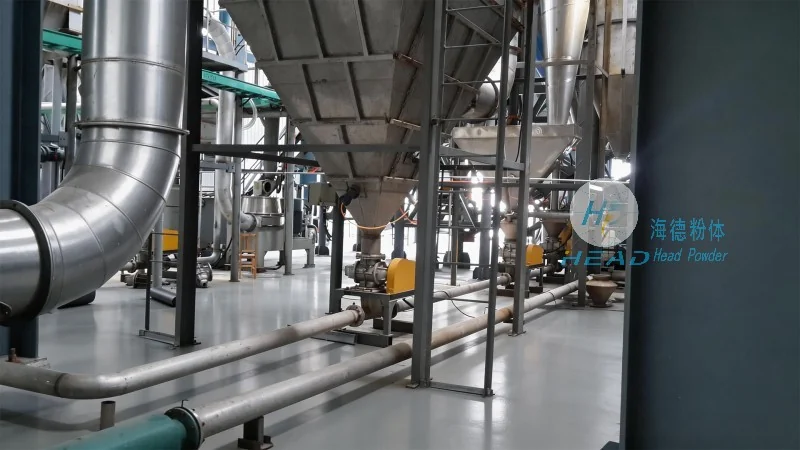
Key Components of a Fertilizer Powder Pneumatic Conveying System
The design of a fertilizer powder pneumatic conveying system involves several critical components that work in tandem to achieve effective material transport. These components include the hopper (or feeder) where the fertilizer is loaded, the air compressor or blower that generates the necessary air pressure, the pipeline network that carries the material and air mixture, and the discharge point where the fertilizer is deposited. The hopper is typically equipped with a rotary valve or a star feeder to control the flow of powder into the system, preventing blockages and ensuring a consistent feed rate. The air compressor, often a positive displacement type, provides the pressure needed to move the powder through the pipeline. The pipeline itself is usually made of stainless steel or other corrosion-resistant materials to withstand the chemical properties of fertilizers and prevent contamination. The discharge point may include a filter or cyclone to separate the air from the powder, allowing the air to be recirculated or vented safely.
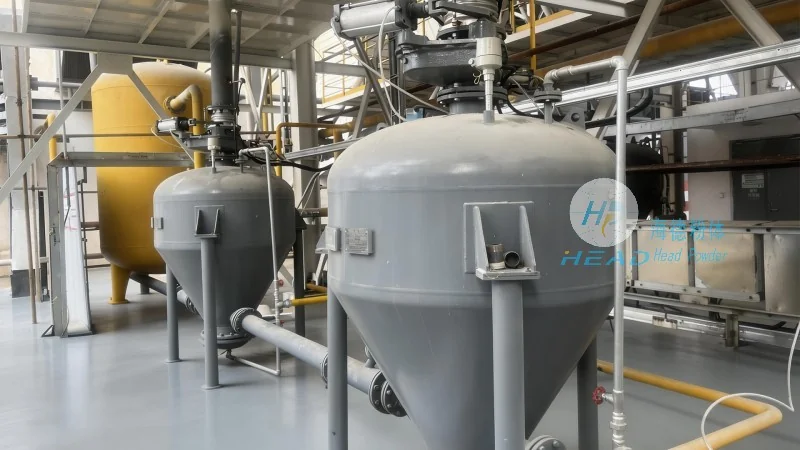
Design Principles Behind Fertilizer Powder Pneumatic Conveying Systems
The design principles of a fertilizer powder pneumatic conveying system are centered on optimizing the interaction between the powder and air to achieve efficient transport. One of the primary principles is the selection of the appropriate air velocity and pressure. The air velocity must be high enough to overcome the resistance of the powder particles and the pipeline walls, but not so high as to cause excessive wear or energy consumption. The pressure level is determined by the distance the material needs to travel and the height of the discharge point. Another key principle is the design of the hopper and feeder to maintain a consistent powder flow. The hopper should be large enough to store the required amount of fertilizer and equipped with a smooth interior to prevent material buildup. The feeder, such as a rotary valve, must be properly sized to match the flow rate of the fertilizer and avoid clogging. Additionally, the system must consider the properties of the fertilizer, such as its particle size, density, and moisture content, as these factors affect the conveying efficiency. For example, finer powders may require higher air velocities to prevent settling or bridging in the pipeline. The design also incorporates safety features, such as pressure relief valves and dust collection systems, to protect the equipment and the environment from potential hazards.
Applications and Benefits of Fertilizer Powder Pneumatic Conveying Systems
Fertilizer powder pneumatic conveying systems are widely used in various applications within the agricultural and industrial sectors. They are commonly employed in fertilizer manufacturing plants to transport raw materials from storage silos to processing units, and from processing units to packaging lines. In agricultural settings, these systems are used to move bulk fertilizer from storage facilities to application equipment, such as spreaders or injectors. The benefits of using a pneumatic conveying system for fertilizer transport are numerous. Firstly, it reduces dust exposure, which is a significant health hazard for workers handling fine powders. By containing the material within a closed system, the risk of inhalation and skin contact is minimized. Secondly, it improves operational efficiency by eliminating the need for manual handling and reducing the time required for material transport. The system can operate continuously, allowing for a steady flow of fertilizer without interruptions. Thirdly, it enhances safety by preventing the buildup of static electricity, which can cause sparks and fires in environments with flammable materials. The closed system also reduces the risk of environmental contamination, as the fertilizer is not exposed to the air or weather during transport. Finally, the system is space-efficient, as it can be installed in a compact area and does not require large floor space for equipment or storage.
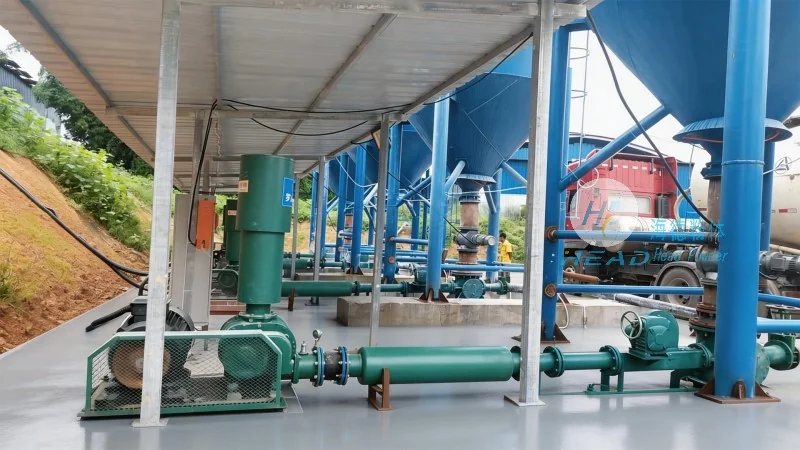
Company Introduction: Shandong HeadPowder Engineering Co., Ltd.
HeadPowder, or Shandong HeadPowder Engineering Co., Ltd., is a leading manufacturer and supplier of fertilizer powder pneumatic conveying systems. With a focus on innovation and quality, the company has established itself as a trusted partner for industries seeking reliable and efficient material handling solutions. HeadPowder's team of engineers and technicians specializes in designing and manufacturing customized pneumatic conveying systems tailored to the specific needs of their clients. The company's products are known for their durability, efficiency, and compliance with industry standards. HeadPowder's commitment to customer satisfaction is reflected in their comprehensive after-sales service, which includes installation, maintenance, and technical support. The company operates from its headquarters in Shandong, China, and serves clients both domestically and internationally. HeadPowder's expertise in fertilizer handling technology has enabled them to develop systems that meet the evolving demands of the agricultural and industrial sectors, ensuring that their clients can operate with confidence and efficiency.