

What is a High-Calcium Powder Pneumatic Conveying System? What Are Its Design Principles?
High-calcium powders, such as limestone or calcium carbonate, are widely used in various industrial processes, including cement production, chemical manufacturing, and food processing. The efficient and reliable transport of these powders is crucial for maintaining production efficiency and ensuring product quality. This article explores the concept of a high-calcium powder pneumatic conveying system and delves into its fundamental design principles, highlighting the key factors that contribute to its effectiveness and performance.
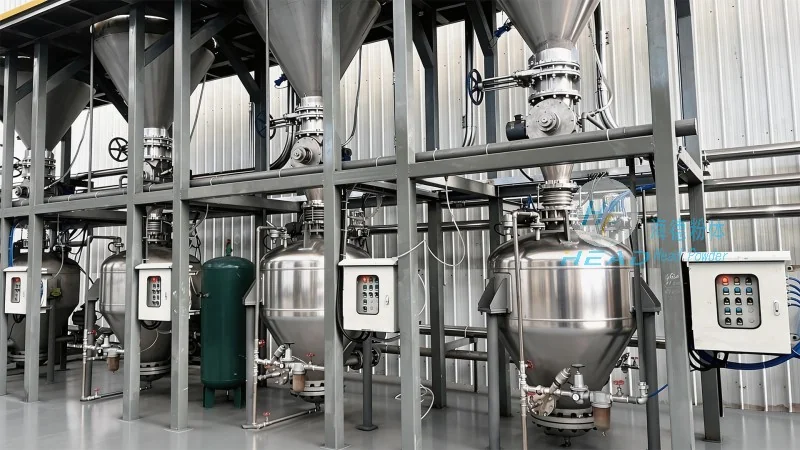
Introduction to High-Calcium Powder Pneumatic Conveying Systems
A high-calcium powder pneumatic conveying system is a specialized equipment setup designed to transport fine, high-density powders like calcium carbonate or limestone through a pipeline using air or other gas as the conveying medium. Unlike traditional mechanical conveyors, which rely on physical contact and friction to move materials, pneumatic conveying systems utilize the force of moving air to lift, transport, and deposit powders. This method is particularly advantageous for handling high-calcium powders due to their abrasive nature and tendency to cause blockages in traditional conveyor systems.
About HeadPowder: The Expert in Powder Handling Solutions
HeadPowder, or Shandong HeadPowder Engineering Co., Ltd., is a leading manufacturer and supplier of advanced powder handling systems. With a strong presence in China, particularly in Shandong, the company specializes in designing and implementing customized pneumatic conveying solutions tailored to the unique needs of industrial applications. HeadPowder's expertise lies in understanding the specific challenges associated with high-calcium powders, such as their high density, moisture content, and potential for agglomeration, and developing systems that address these challenges effectively.
Key Components of a High-Calcium Powder Pneumatic Conveying System
The design of a high-calcium powder pneumatic conveying system involves several critical components that work in tandem to ensure smooth and efficient operation. These components include:
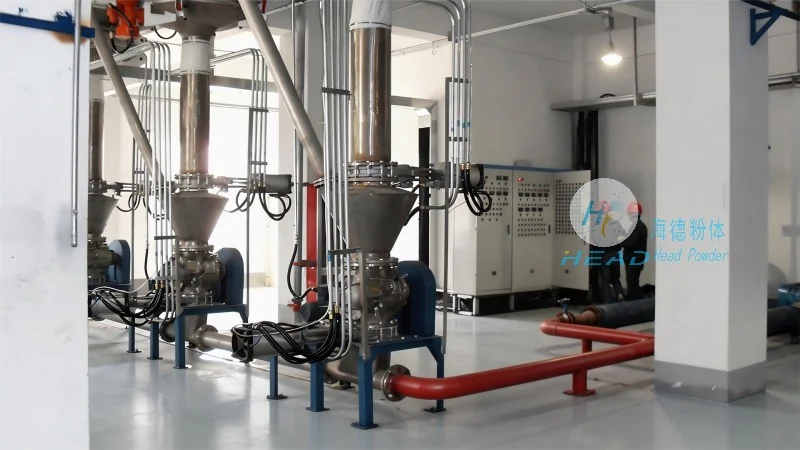
- Feeder: The feeder is responsible for feeding the high-calcium powder into the conveying line at a controlled rate. For high-calcium powders, which can be prone to bridging or caking, a rotary valve or a screw feeder is often used to maintain a consistent flow.
- Pneumatic Conveying Line: The pipeline where the powder is transported. The line is typically made of corrosion-resistant materials like stainless steel or polyethylene to withstand the abrasive nature of the high-calcium powder.
- Air Supply System: This includes the blower or compressor that generates the necessary air pressure to move the powder through the line. The air supply system must be capable of providing sufficient pressure and volume to handle the high density and flow rate of the high-calcium powder.
- Receiver: The container where the conveyed powder is deposited. The receiver is designed to prevent dust emissions and ensure the powder is discharged cleanly.
- Control System: A sophisticated control system monitors and regulates the operation of the entire system, ensuring optimal performance and preventing issues like over-pressurization or under-feeding.
Design Principles for High-Calcium Powder Pneumatic Conveying Systems
The design of a high-calcium powder pneumatic conveying system is based on several key principles that ensure the system operates efficiently and safely. These principles include:
1. Air-to-Powder Ratio: The ratio of air volume to powder mass is a critical factor in determining the conveying velocity and system efficiency. For high-calcium powders, a higher air-to-powder ratio is often required to maintain a consistent flow and prevent blockages. The optimal ratio is determined through careful analysis of the powder's properties, such as particle size, density, and moisture content.
2. Conveying Velocity: The velocity of the air in the pipeline must be sufficient to lift and transport the high-calcium powder without causing excessive wear on the system components. The velocity is typically maintained at a level that ensures the powder particles are fully suspended in the air stream, preventing settling or deposition.
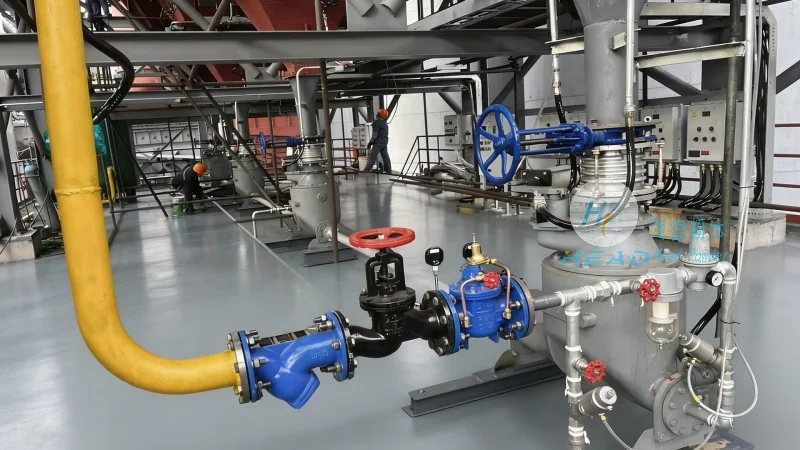
3. Pipeline Sizing: The diameter and length of the conveying pipeline are carefully selected to match the flow rate and pressure requirements of the system. Larger diameters are often used for high-calcium powders to reduce friction losses and prevent blockages. The pipeline is also designed with appropriate bends and elbows to minimize pressure drop and maintain consistent flow.
4. Material Selection: The choice of materials for the system components is crucial, especially for high-calcium powders that are abrasive and corrosive. Stainless steel, polyethylene, and other corrosion-resistant materials are commonly used to ensure the longevity and reliability of the system.
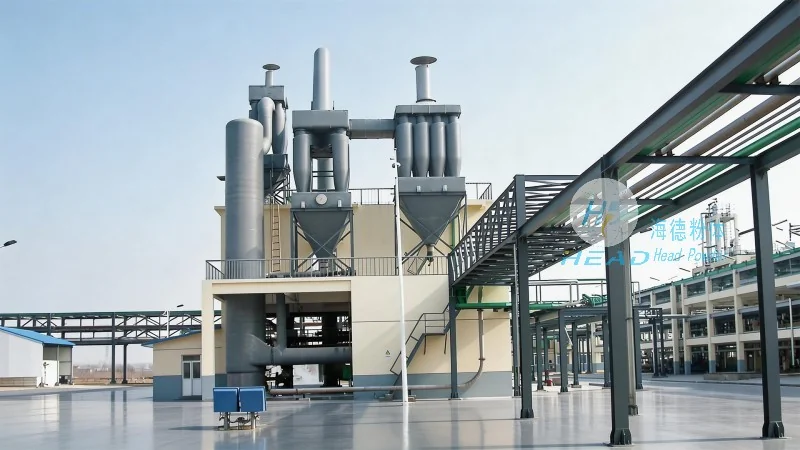
5. Dust Control: High-calcium powders are often fine and can generate significant dust during transport. The design incorporates dust collection and filtration systems to ensure compliance with environmental regulations and maintain a safe working environment.
Advantages of High-Calcium Powder Pneumatic Conveying Systems
High-calcium powder pneumatic conveying systems offer several advantages over traditional mechanical conveyors, making them the preferred choice for many industrial applications. These advantages include:
- Efficient and Reliable Transport: The system can transport high-calcium powders over long distances with minimal loss and high efficiency, ensuring consistent product quality.
- Low Maintenance: Compared to mechanical conveyors, pneumatic systems have fewer moving parts, reducing the need for frequent maintenance and increasing system uptime.
- Flexibility: Pneumatic conveying systems can be easily reconfigured or expanded to accommodate changes in production requirements or process modifications.
- Reduced Downtime: The absence of physical contact between the powder and the conveyor components reduces the risk of blockages and equipment failure, minimizing downtime and production losses.
- Environmental Benefits: The enclosed design of pneumatic systems helps to contain dust emissions, improving air quality and reducing the risk of environmental contamination.
Conclusion
A high-calcium powder pneumatic conveying system is a sophisticated and efficient solution for transporting fine, high-density powders in industrial applications. The design principles, which focus on air-to-powder ratio, conveying velocity, pipeline sizing, material selection, and dust control, ensure that the system operates reliably and effectively. With the expertise of companies like Shandong HeadPowder Engineering Co., Ltd., these systems can be customized to meet the specific needs of various industries, providing a cost-effective and sustainable solution for powder handling. By understanding the unique challenges of high-calcium powders and applying the appropriate design principles, industries can enhance their production efficiency and maintain product quality.