

What is Pharmaceutical Powder Pneumatic Conveying? And What Are Its Design Principles?
Pharmaceutical powder pneumatic conveying is a critical technology in the pharmaceutical industry, enabling the safe and efficient transport of powders and granules. This method utilizes air or other gases to move bulk materials through a system of pipes and equipment. The process is essential for maintaining product integrity, ensuring contamination control, and optimizing production workflows in pharmaceutical manufacturing. As a leading provider in this field, Shandong HeadPowder Engineering Co., Ltd., commonly known as HeadPowder, specializes in designing and implementing advanced pneumatic conveying solutions tailored to the unique demands of the pharmaceutical sector.
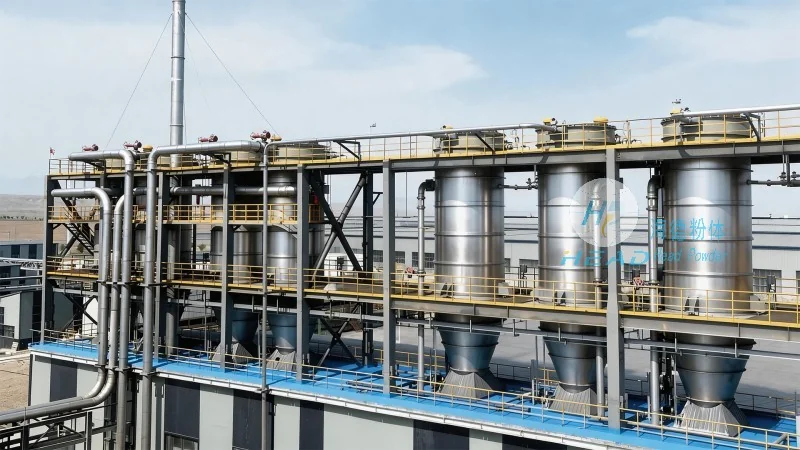
Understanding Pharmaceutical Powder Pneumatic Conveying
At its core, pharmaceutical powder pneumatic conveying involves the use of pressurized air or vacuum to transport powders from one location to another within a facility. This technology is preferred in the pharmaceutical industry due to its ability to handle sensitive materials while minimizing the risk of contamination and product degradation. Unlike mechanical conveying systems, which rely on physical contact and moving parts, pneumatic conveying uses air as the medium, reducing the potential for cross-contamination and ensuring that the product remains in its original state. The system typically consists of a hopper, a conveying line, and a receiver, with additional components such as filters, cyclones, and dust collectors to ensure air quality and material separation.
Key Design Principles for Pharmaceutical Pneumatic Conveying Systems
The design of a pharmaceutical powder pneumatic conveying system is governed by several key principles that ensure safety, efficiency, and compliance with industry regulations. First, the system must be constructed from materials that are compatible with pharmaceutical products, such as stainless steel, which is non-reactive and easy to clean. This material choice is critical for maintaining the sterility and purity of the powders being transported. Second, the system must incorporate robust filtration and separation mechanisms to prevent the release of particles into the environment and to ensure that only clean air is used for conveying. Cyclones and bag filters are commonly used to separate particles from the air stream, while HEPA filters ensure that the exhaust air meets regulatory standards. Third, the system must be designed for easy cleaning and maintenance, with features like CIP (Clean-in-Place) and SIP (Steam-in-Place) capabilities to eliminate residues and prevent microbial growth. This is essential for maintaining compliance with GMP (Good Manufacturing Practice) standards, which are stringent in the pharmaceutical industry.
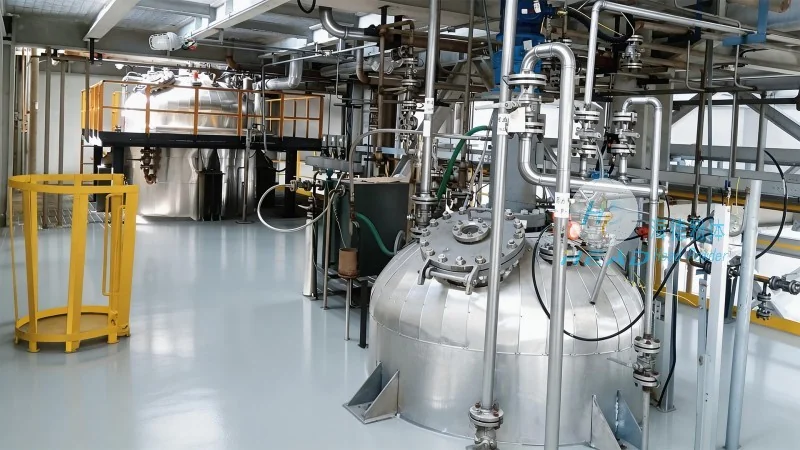
Components and Functionality of Pharmaceutical Pneumatic Conveying Systems
A typical pharmaceutical powder pneumatic conveying system includes several key components, each with a specific role in the overall process. The hopper is the starting point, where the powder is stored and fed into the system. It is designed to minimize material bridging and agglomeration, which can affect the flow rate and system performance. The feeder, often a rotary valve or a loss-in-weight feeder, controls the flow of powder from the hopper into the conveying line. This component is critical for maintaining a consistent flow rate, which is essential for stable system operation. The conveying line itself is made of stainless steel pipes, which are smooth and free of crevices to prevent material buildup and contamination. The system may use either positive pressure (where air is forced into the line) or negative pressure (where air is drawn out), depending on the specific application and material characteristics. The receiver is the final component, where the powder is deposited after being conveyed through the system. It is designed to handle the incoming material and ensure that it is properly collected without spillage or contamination.
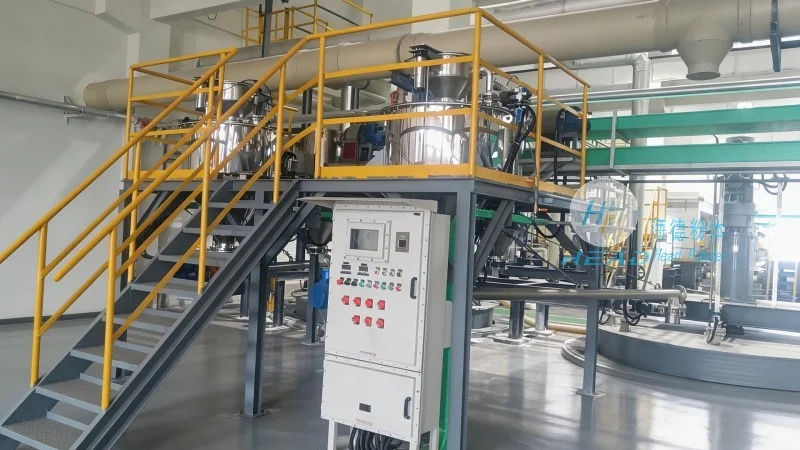
Advantages of Pharmaceutical Powder Pneumatic Conveying
Pharmaceutical powder pneumatic conveying offers several advantages over traditional mechanical conveying methods. One of the primary benefits is the ability to handle a wide range of powder types, from fine powders to coarse granules, without causing degradation or agglomeration. The system is also highly flexible, allowing for changes in material flow rates and destinations without significant modifications. Additionally, pneumatic conveying systems are more compact than mechanical systems, saving valuable floor space in pharmaceutical facilities. The use of air as the conveying medium also reduces the risk of product contamination, as there is no physical contact between the material and the conveying equipment. This is particularly important in the pharmaceutical industry, where product purity and sterility are paramount. Furthermore, pneumatic conveying systems can be integrated with other process equipment, such as mixers and blenders, to create a seamless production workflow. This integration improves overall efficiency and reduces the risk of errors or delays in the manufacturing process.
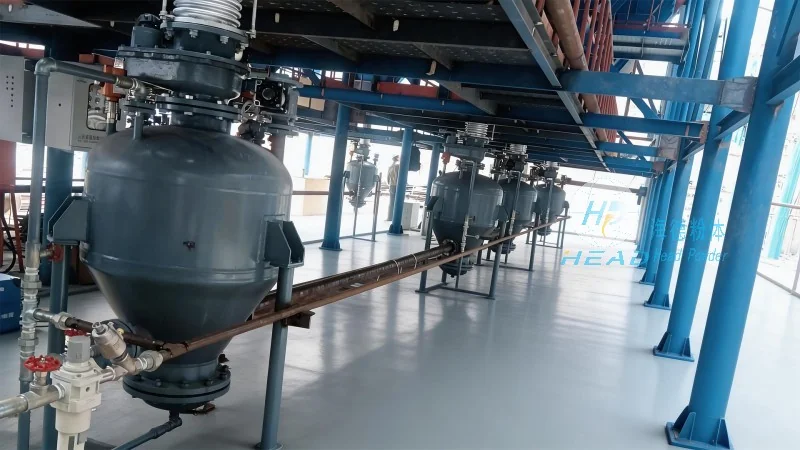
Challenges and Considerations in Pharmaceutical Pneumatic Conveying
While pharmaceutical powder pneumatic conveying offers numerous benefits, it also presents certain challenges that must be addressed during system design and operation. One of the main challenges is the potential for material degradation due to high air velocities or prolonged exposure to air. To mitigate this, system designers must carefully select the appropriate air velocity and system configuration to minimize particle attrition. Another challenge is the risk of dust explosions, which can occur if the system is not properly designed with explosion-proof components. This risk is mitigated by incorporating spark arrestors and explosion venting systems into the design. Additionally, the system must be designed to handle variations in material properties, such as moisture content and particle size distribution, which can affect flow characteristics and system performance. To address these variations, system designers may use variable speed drives and adjustable feeders to maintain consistent flow rates. Finally, the system must be regularly maintained and inspected to ensure that it remains in good working condition and complies with regulatory requirements. This includes routine cleaning, filter replacement, and equipment checks to prevent issues before they become major problems.
Conclusion and Future Trends in Pharmaceutical Pneumatic Conveying
In conclusion, pharmaceutical powder pneumatic conveying is a vital technology in the pharmaceutical industry, providing a safe, efficient, and compliant method for transporting powders and granules. The design of these systems must adhere to strict GMP standards, incorporating materials, filtration, and maintenance features that ensure product integrity and regulatory compliance. As the pharmaceutical industry continues to evolve, the demand for advanced pneumatic conveying solutions will increase, driven by the need for higher productivity, better product quality, and more efficient manufacturing processes. Companies like Shandong HeadPowder Engineering Co., Ltd. are at the forefront of this evolution, developing innovative solutions that meet the unique challenges of the pharmaceutical sector. With their expertise in system design and implementation, HeadPowder is helping pharmaceutical manufacturers optimize their operations and stay competitive in a rapidly changing industry.