

What is Polyethylene Powder Pneumatic Conveying? And What Are Its Design Principles?
Understanding polyethylene powder pneumatic conveying systems is crucial for industries dealing with bulk materials, as these systems offer efficient and flexible solutions for transporting polyethylene powders. This article explores the fundamental concepts of polyethylene powder pneumatic conveying and delves into the key design principles that ensure optimal performance and reliability.
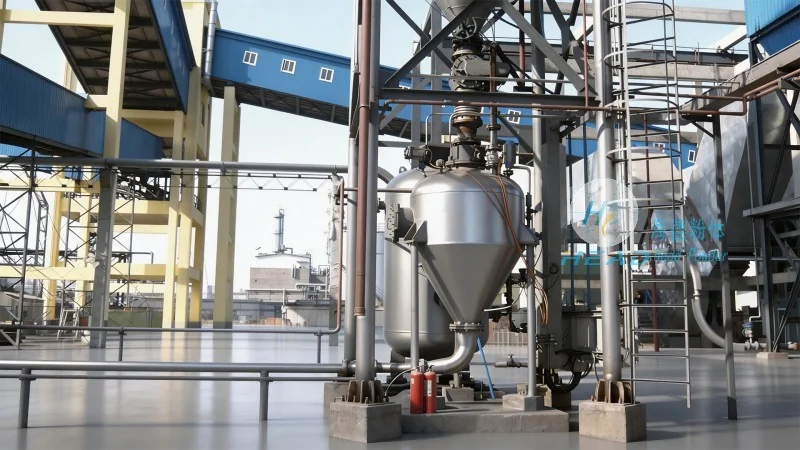
Polyethylene Powder Pneumatic Conveying: An Overview
Polyethylene powder pneumatic conveying involves the use of air or gas to transport polyethylene powders from one location to another within a processing facility. Unlike traditional mechanical conveying methods, such as screw conveyors or belt conveyors, pneumatic systems utilize pressurized air to move materials through a pipeline network. This method is particularly advantageous for polyethylene powders due to their fine particle size and potential for static charge accumulation, which can affect handling and flow characteristics.
Key Components of a Polyethylene Powder Pneumatic Conveying System
A typical polyethylene powder pneumatic conveying system consists of several critical components that work in tandem to ensure smooth material transport. These components include the material feed hopper, which holds the polyethylene powder and regulates the flow rate; the air compressor or blower, which generates the necessary air pressure to move the material; the conveying line, which is typically made of materials like stainless steel or plastic to prevent material buildup and corrosion; and the receiving hopper or discharge point, where the polyethylene powder is deposited at the destination.
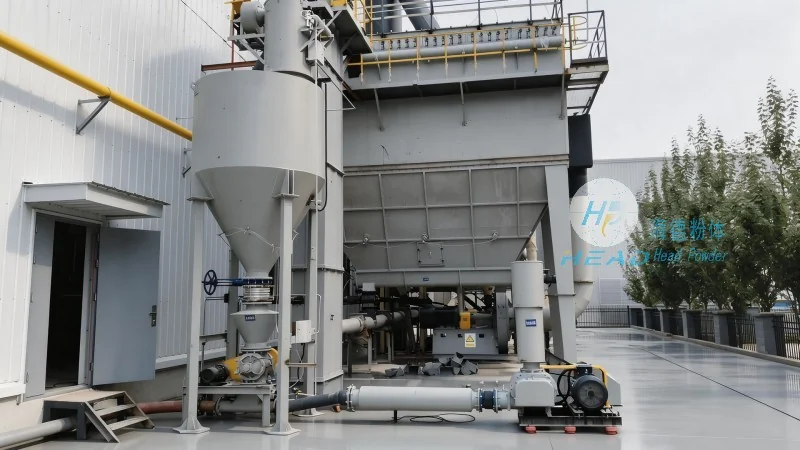
Design Principles for Optimal Polyethylene Powder Pneumatic Conveying
The design of a polyethylene powder pneumatic conveying system requires careful consideration of several factors to achieve efficient and reliable operation. One of the primary design principles is the selection of appropriate air velocity and pressure. The air velocity must be sufficient to overcome the resistance of the polyethylene powder particles in the pipeline but not so high as to cause excessive wear on the system components or create excessive dust emissions. The pressure level is determined by the distance and elevation changes between the feed and discharge points, as well as the particle size and density of the polyethylene powder.
Another critical design principle is the consideration of material properties, such as the particle size distribution, bulk density, and flowability of the polyethylene powder. These properties influence the system's capacity and the required air volume. For example, finer polyethylene powders may require higher air velocities to maintain consistent flow, while coarser powders may need lower velocities to prevent particle segregation or blockages. The system design must also account for the potential for static charge accumulation in polyethylene powders, as this can affect material flow and increase the risk of dust explosions. Proper grounding and anti-static measures are therefore essential components of the design.
System Sizing and Capacity Considerations
Accurate system sizing is vital to ensure that the polyethylene powder pneumatic conveying system meets the production requirements without over or underutilizing resources. The design process involves calculating the required air volume and pressure based on the material flow rate, pipeline length, and elevation changes. The conveying line diameter is determined by the expected flow rate and air velocity, ensuring that the system operates within the optimal velocity range (typically 20-30 m/s for most polyethylene powders). The use of appropriate fittings, such as elbows and tees, is also crucial to minimize pressure losses and maintain consistent flow.
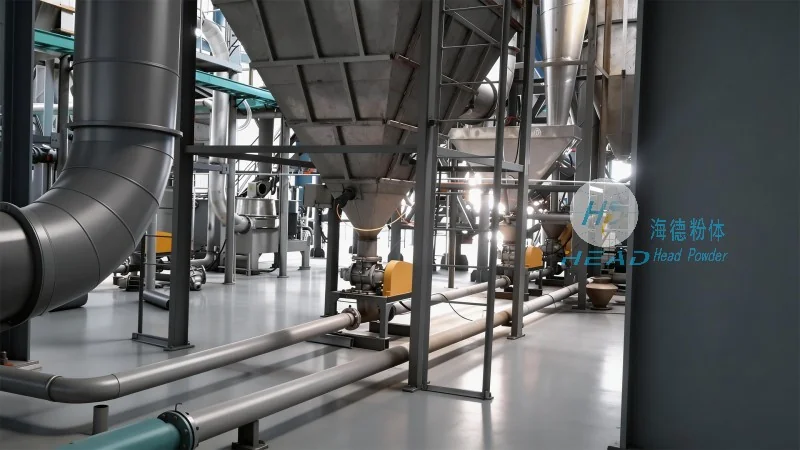
Advantages and Applications of Polyethylene Powder Pneumatic Conveying
Polyethylene powder pneumatic conveying systems offer several advantages over traditional mechanical conveying methods. These include the ability to transport materials over long distances and through multiple points of discharge, the reduction of material contamination due to enclosed systems, and the flexibility to integrate with other processing equipment. The systems are widely used in industries such as plastics manufacturing, where polyethylene powders are used as raw materials for extrusion, molding, and other processing operations. They are also suitable for applications involving the transfer of polyethylene powders from storage silos to processing lines, or between different production stages within a facility.
Conclusion
Polyethylene powder pneumatic conveying is a sophisticated and efficient method for transporting polyethylene powders, driven by the careful application of design principles that consider material properties, system components, and operational requirements. By understanding the key design considerations and components, industries can implement effective pneumatic conveying systems that enhance productivity, reduce downtime, and ensure the safe handling of polyethylene powders. The expertise of companies like Shandong HeadPowder Engineering Co., Ltd. plays a crucial role in designing and implementing these systems, providing tailored solutions that meet the specific needs of their clients.