

[Sweet Potato Powder Pneumatic Conveying: What It Is and Its Design Principles]
Understanding the fundamentals of sweet potato powder pneumatic conveying is crucial for industries that handle fine powders, such as food processing, pharmaceuticals, and chemical manufacturing. This technology involves the use of pressurized air or vacuum to transport sweet potato powder through a pipeline system, offering an efficient and clean method for material handling. In this article, we will explore what pneumatic conveying is and delve into the key design principles that underpin its successful implementation.
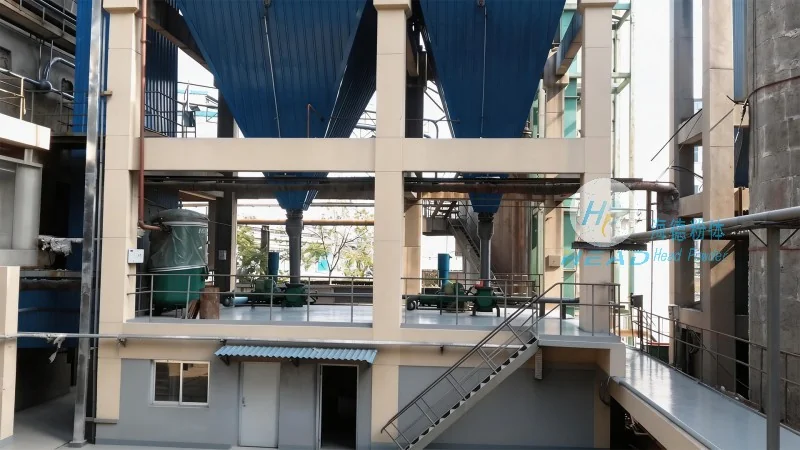
Introduction to Sweet Potato Powder Pneumatic Conveying
Pneumatic conveying, in the context of sweet potato powder, refers to the process of transporting dry, fine particles of sweet potato starch or flour through a sealed system using air. Unlike traditional mechanical conveying methods like screw conveyors or belt conveyors, pneumatic systems rely on the kinetic energy of the air stream to move the powder. This approach is particularly advantageous for delicate powders that are prone to caking, agglomeration, or contamination. The system typically consists of a source of air (either a blower or a vacuum pump), a feeding device, a conveying line, and a receiving hopper or silo.
Core Design Principles of Pneumatic Conveying Systems
The effectiveness of a pneumatic conveying system for sweet potato powder hinges on several critical design principles. First, the air velocity must be maintained at a level that ensures the powder particles are fully suspended and transported without settling or clogging the pipeline. This velocity is often determined by the particle size, density, and flow rate of the sweet potato powder. Second, the system must be designed to handle the specific properties of the powder, including its moisture content, bulk density, and potential for static electricity. For sweet potato powder, which is typically fine and light, the design must prevent dust accumulation and ensure smooth flow.
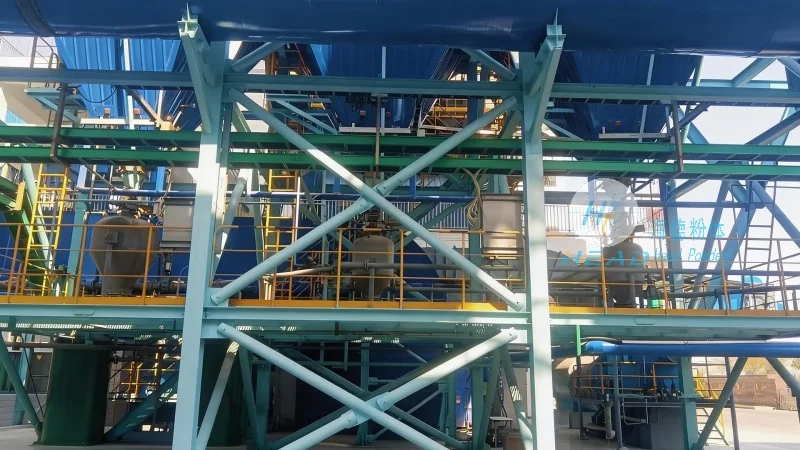
Key Components and Their Functions in the System
Several key components make up a pneumatic conveying system for sweet potato powder. The air source, such as a positive displacement blower or a rotary lobe blower, provides the necessary pressure or vacuum to move the material. The feeding device, often a rotary valve or a star feeder, controls the flow rate of the sweet potato powder into the conveying line, ensuring a consistent and controlled feed. The conveying line itself is usually made of stainless steel or other corrosion-resistant materials to prevent contamination and ensure durability. A separation or filtration system is also essential to remove any fine particles or moisture from the air stream before it is discharged, maintaining air quality and preventing system blockages. Finally, the receiving hopper or silo collects the sweet potato powder at the end of the conveying line, providing a storage solution that is compatible with downstream processing.
Advantages of Using Pneumatic Conveying for Sweet Potato Powder
Implementing pneumatic conveying for sweet potato powder offers numerous advantages over traditional methods. One of the most significant benefits is the ability to handle delicate powders without causing damage or degradation. The air stream gently suspends the particles, reducing the risk of agglomeration or caking, which can occur with mechanical conveyors. Additionally, pneumatic systems are highly efficient in terms of space utilization, as they can transport materials over long distances with minimal equipment. They also provide a clean and hygienic environment, which is critical for food processing applications, as they minimize the risk of cross-contamination and ensure compliance with food safety regulations. Furthermore, pneumatic conveying systems can be easily integrated with automation and control systems, allowing for precise control over the flow rate and pressure, which enhances operational efficiency and reduces labor costs.
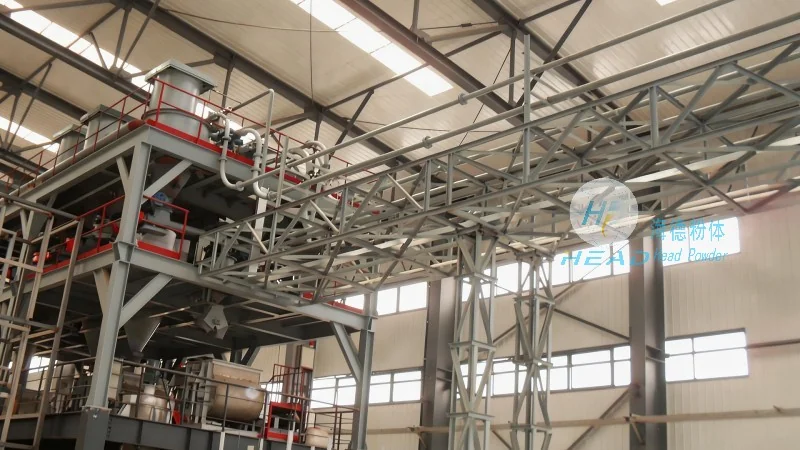
Application Scenarios and Practical Considerations
Sweet potato powder pneumatic conveying is widely used in various industrial applications. For example, in food processing plants, it is used to transport sweet potato flour from storage silos to mixing and extrusion lines. In pharmaceutical manufacturing, it is employed to move fine sweet potato-based excipients into blending and packaging equipment. The system is also suitable for applications where the powder needs to be transported over long distances, such as from a processing facility to a warehouse or a distribution center. When designing a pneumatic conveying system for sweet potato powder, several practical considerations must be taken into account. These include the required flow rate, the distance to be covered, the height of the conveying line, and the specific properties of the powder, such as its moisture content and particle size distribution. Proper system sizing and component selection are essential to ensure optimal performance and minimize energy consumption. Additionally, regular maintenance and cleaning of the system are necessary to prevent dust buildup and maintain air quality, which is crucial for both operational efficiency and compliance with industry standards.
Conclusion
In conclusion, sweet potato powder pneumatic conveying is a sophisticated and efficient technology that offers significant benefits for industries handling fine powders. By understanding the core design principles and key components of the system, manufacturers can optimize their material handling processes, improve product quality, and enhance operational efficiency. As a leading provider in this field, Shandong HeadPowder Engineering Co., Ltd. specializes in designing and manufacturing customized pneumatic conveying systems tailored to the specific needs of sweet potato powder applications, ensuring reliable and effective material transport solutions for their clients.