

What is Soybean Powder Pneumatic Conveying? And What Are Its Design Principles?
Understanding Soybean Powder Pneumatic Conveying: A Technical Overview
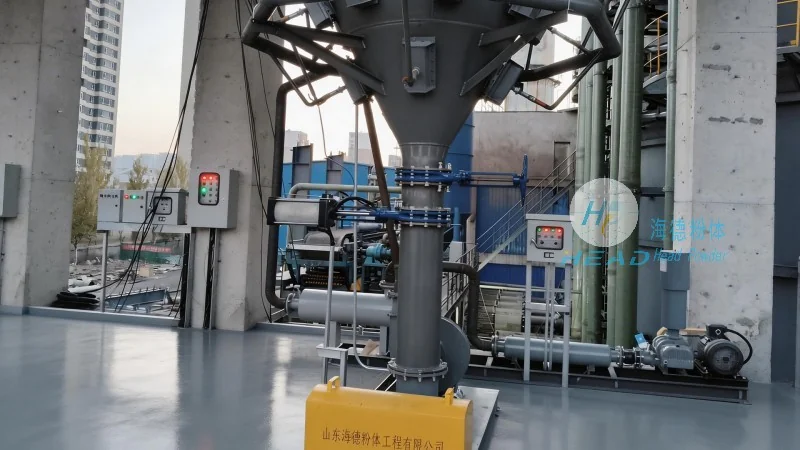
Soybean powder pneumatic conveying is a specialized method used in the handling and transportation of soybean powders, which are often utilized in various industrial applications such as food processing, animal feed production, and biofuel manufacturing. This technique involves the use of air or gas to transport solid particles, like soybean powder, through a pipeline system. The process relies on the principle of fluidization, where the powder is suspended and moved by the force of the moving air stream.
In the context of soybean processing, efficient powder handling is crucial for maintaining product quality and operational efficiency. Traditional methods like bucket elevators or belt conveyors may not be suitable for fine powders due to issues like dust generation, product degradation, or blockages. Pneumatic conveying offers a solution by providing a dust-free, enclosed system that minimizes contamination and ensures consistent material flow.
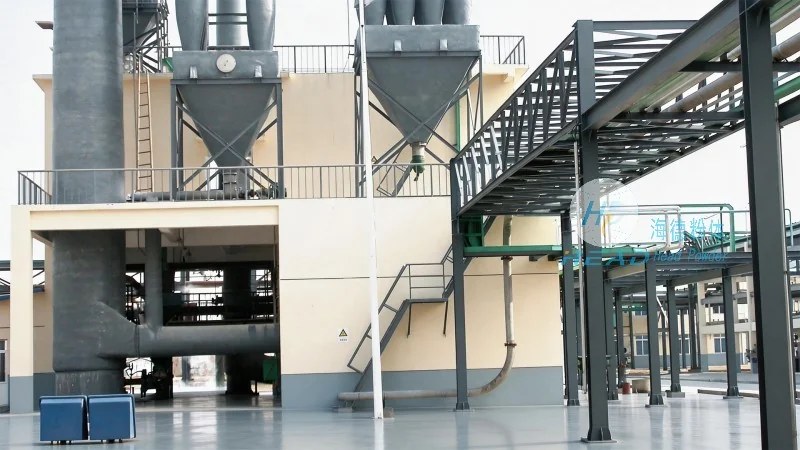
Key Design Principles of Soybean Powder Pneumatic Conveying Systems
The design principles of soybean powder pneumatic conveying systems typically involve several key components and considerations. First, the selection of the conveying type—either pressure or vacuum—depends on the distance, volume, and material characteristics. Pressure systems use positive pressure to push the material through the pipeline, while vacuum systems use negative pressure to draw the material. For soybean powders, which are often light and fine, pressure systems are commonly preferred as they offer better control and can handle longer distances without significant pressure loss.
Key design elements include the material of construction, which must be compatible with soybean powders and the conveying air. Stainless steel is often used for its corrosion resistance and hygiene standards, essential in food processing applications. The pipeline design, including the diameter and length, affects the system's efficiency and pressure requirements. Properly sized pipelines minimize friction losses and ensure smooth material transport. Additionally, the use of in-line filters and cyclones is critical to separate the powder from the air and prevent system blockages or contamination.
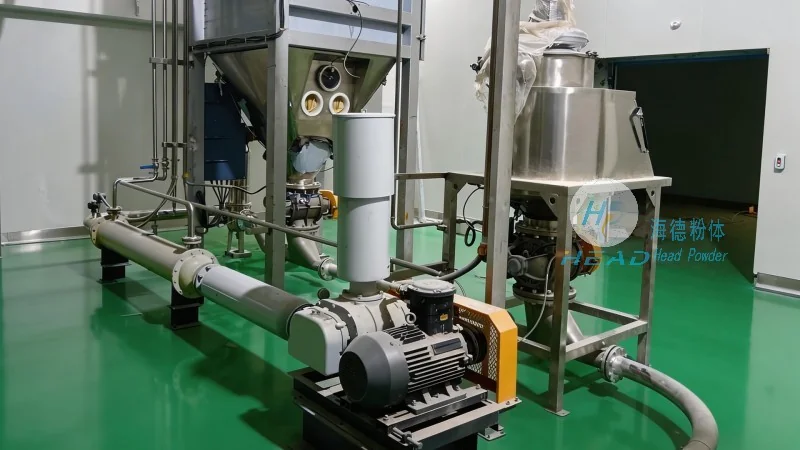
Another important aspect is the control system, which regulates the air flow, pressure, and material feed rate. Advanced control systems can optimize the conveying process, ensuring consistent performance and reducing energy consumption. For soybean powders, which may have varying moisture content or particle size, adaptive control systems can adjust the conveying parameters in real-time to maintain optimal conditions.
HeadPowder: Expertise in Soybean Powder Pneumatic Conveying
HeadPowder, a leading engineering company based in Shandong, China, specializes in the design and implementation of pneumatic conveying systems tailored to the needs of soybean processing industries. With years of experience, HeadPowder has developed expertise in handling fine powders like soybean powder, ensuring systems that are efficient, reliable, and compliant with industry standards. The company's approach focuses on understanding the specific requirements of each client, from material properties to operational constraints, to deliver customized solutions that enhance productivity and product quality.
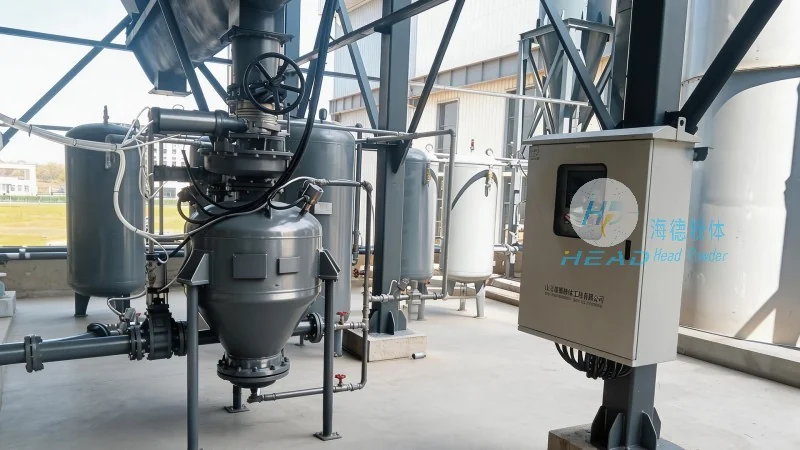
The company's facilities in Shandong, China, house advanced design and testing capabilities, allowing for the development of systems that meet both local and international regulations. HeadPowder's team of engineers and technicians work closely with clients to assess their conveying needs, from initial feasibility studies to final system installation and commissioning. This collaborative approach ensures that the final solution is not only technically sound but also economically viable and easy to maintain.
Conclusion: The Importance of Pneumatic Conveying in Soybean Processing
In conclusion, soybean powder pneumatic conveying is a vital technology in modern processing industries, offering efficient and hygienic methods for handling fine powders. The design principles, which include material selection, system configuration, and control strategies, are critical to the success of such systems. Companies like Shandong HeadPowder Engineering Co., Ltd. play a crucial role in providing expert solutions that meet the evolving needs of the industry, ensuring that soybean powder handling remains safe, efficient, and sustainable.