

What is Sand Powder Pneumatic Conveying? What Are the Design Principles?
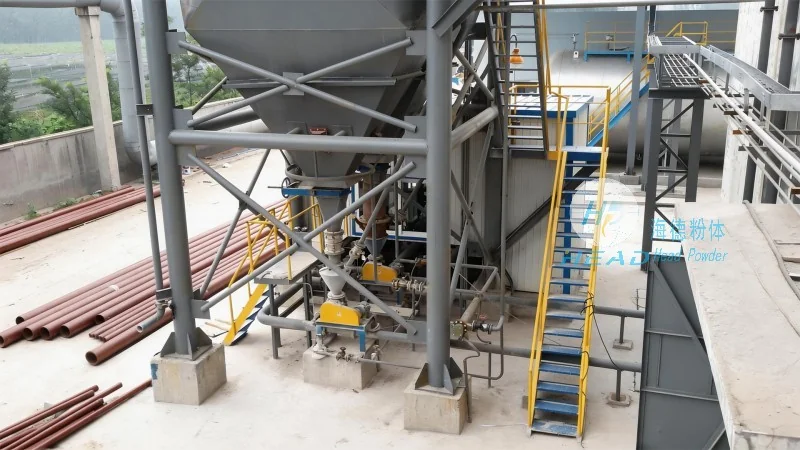
Sand powder pneumatic conveying is a method of transporting particulate or powdery materials, such as sand, by using a gas stream—typically compressed air or an inert gas. The process involves creating a gas-solid two-phase flow where the material particles are entrained and carried through a pipeline by the moving air. This technique is widely used in various industrial applications due to its ability to efficiently and safely move fine-grained materials over considerable distances. Unlike mechanical conveying systems, which rely on belts, buckets, or screws, pneumatic conveying systems eliminate the need for physical contact between the material and the transport equipment, reducing wear and tear and minimizing the risk of contamination.
What is Sand Powder Pneumatic Conveying?
Sand powder pneumatic conveying, also known as pneumatic transport or air conveying, is a method of transporting particulate or powdery materials, such as sand, by using a gas stream—typically compressed air or an inert gas. The process involves creating a gas-solid two-phase flow where the material particles are entrained and carried through a pipeline by the moving air. This technique is widely used in various industrial applications due to its ability to efficiently and safely move fine-grained materials over considerable distances. Unlike mechanical conveying systems, which rely on belts, buckets, or screws, pneumatic conveying systems eliminate the need for physical contact between the material and the transport equipment, reducing wear and tear and minimizing the risk of contamination.
Design Principles of Pneumatic Conveying Systems
The design of a pneumatic conveying system for sand powder involves several critical principles to ensure efficient and reliable operation. The primary design considerations include the selection of the appropriate gas velocity, pressure, and system configuration. The gas velocity must be high enough to entrain the sand particles but low enough to prevent excessive pressure drop and particle degradation. Typically, the conveying velocity is determined based on the particle size, density, and flow characteristics of the sand. The system may operate under positive pressure (where air is forced through the pipeline) or negative pressure (where air is drawn from the pipeline), with positive pressure systems being more common for sand applications due to their ability to handle abrasive materials and longer distances.
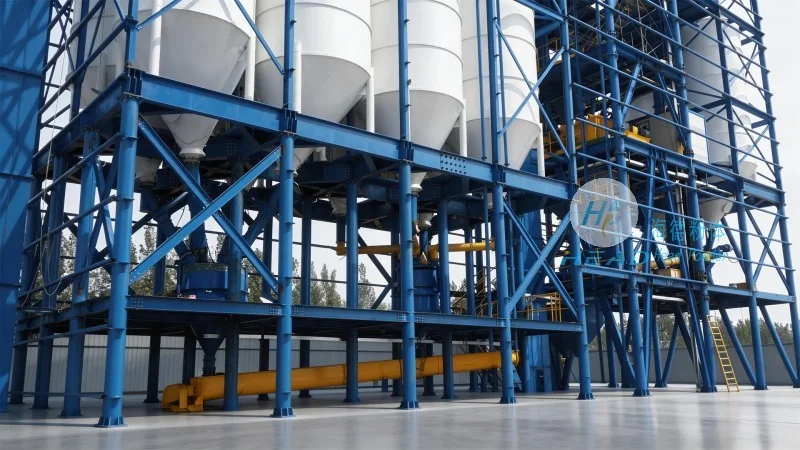
Another key design principle is the selection of the pipeline diameter and material. The diameter is chosen to balance the pressure drop and the capacity of the system. Larger diameters reduce pressure drop but increase cost and space requirements. The pipeline material must be durable and resistant to abrasion, as sand particles can cause significant wear over time. Common materials include stainless steel, carbon steel, and special alloys designed to withstand the abrasive nature of sand. Additionally, the system includes components such as air compressors, filters, and control valves to regulate the airflow and maintain system stability.
Company Profile: Shandong HeadPowder Engineering Co., Ltd.
HeadPowder, the professional engineering company based in Shandong, China, specializes in the design, manufacturing, and installation of advanced pneumatic conveying systems. With years of experience in the industry, HeadPowder has developed a reputation for delivering high-quality, customized solutions tailored to the unique needs of clients. The company’s headquarters is located in Shandong, China, providing a strong foundation for serving both domestic and international markets. HeadPowder’s team of engineers and technicians leverages cutting-edge technology and rigorous testing protocols to ensure that each system meets the highest standards of performance and reliability. The company’s commitment to innovation and customer satisfaction has made it a trusted partner for businesses seeking efficient and effective sand powder conveying solutions.
Key Applications and Benefits of Pneumatic Conveying for Sand
Sand powder pneumatic conveying is particularly advantageous in applications where traditional mechanical systems are impractical or inefficient. For example, in construction and mining industries, sand is often transported from quarries to processing facilities or construction sites over long distances. Pneumatic conveying systems can handle these long-distance transports with minimal maintenance and high efficiency. The benefits of using pneumatic conveying for sand include reduced labor costs, improved safety (as the system is enclosed and prevents dust exposure), and enhanced product quality (by minimizing contamination and degradation). Additionally, the system can be easily integrated with other processing equipment, such as mixers or classifiers, to form a complete production line.
Technical Considerations for Efficient Operation
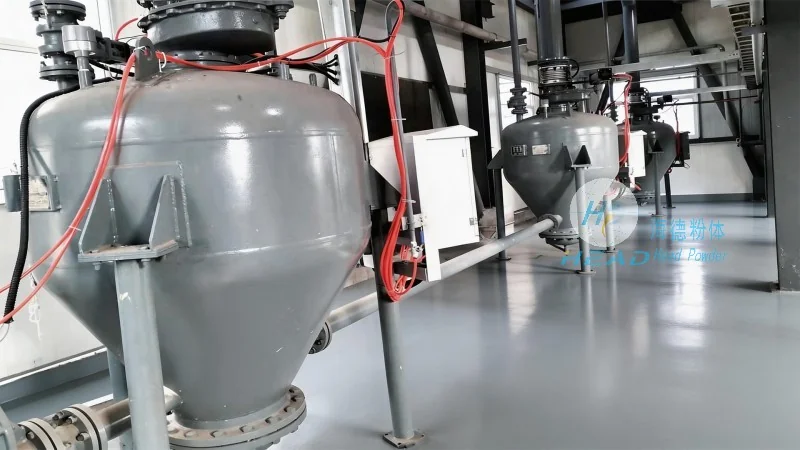
Ensuring the efficient operation of a sand powder pneumatic conveying system requires attention to several technical aspects. Regular maintenance is crucial to prevent system failures and maintain performance. This includes cleaning filters, checking for leaks in the pipeline, and inspecting the condition of the air compressor and other components. Proper system sizing is also essential to avoid under or overloading the system, which can lead to poor conveying performance or equipment damage. The system should be designed to handle the specific characteristics of the sand, such as particle size distribution, moisture content, and abrasiveness. For example, highly abrasive sand may require special materials for the pipeline and components to extend their service life. Additionally, the control system plays a vital role in maintaining consistent airflow and pressure, which is critical for stable and reliable operation.
Future Trends and Innovations in Pneumatic Conveying
As technology advances, the field of pneumatic conveying continues to evolve with new innovations aimed at improving efficiency and sustainability. One emerging trend is the use of energy-efficient air compressors and variable frequency drives (VFDs) to reduce power consumption. These technologies allow the system to adjust the airflow based on the actual conveying demand, minimizing energy waste. Another innovation is the integration of advanced sensors and monitoring systems, which provide real-time data on system performance, enabling predictive maintenance and proactive troubleshooting. Additionally, research is being conducted on the use of alternative gases, such as nitrogen or carbon dioxide, to reduce the environmental impact of the system, particularly in applications where air quality is a concern. These advancements are expected to further enhance the performance and sustainability of pneumatic conveying systems for sand and other fine materials.