

What is a Dry Manure Material Handling System? What are its Design Principles?
Understanding the dry manure material handling system and its design principles is crucial for those involved in agricultural waste management and livestock farming operations. This equipment is specifically engineered to transport and process dry manure, a key component in sustainable farming practices. The system combines efficiency, durability, and adaptability to meet the varying needs of modern agricultural settings.
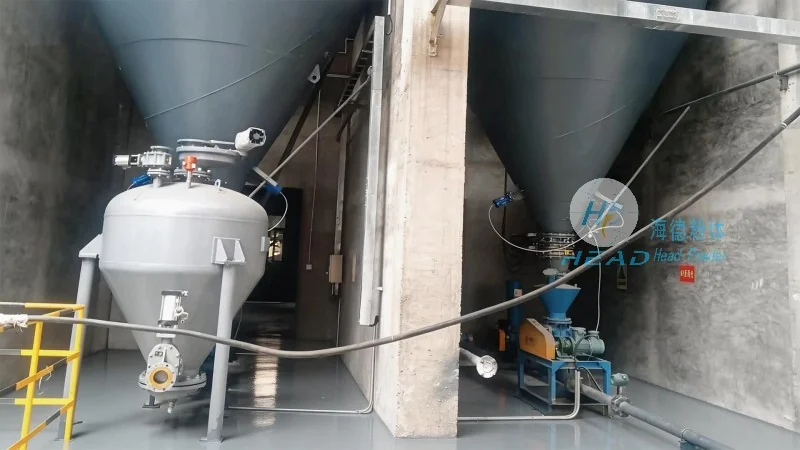
HeadPowder, a leading manufacturer based in Shandong, China, specializes in the development and production of advanced dry manure handling systems. With a focus on innovation and customer-centric solutions, the company has established itself as a trusted partner for agricultural facilities worldwide. The company’s headquarters is located in Shandong, China, where state-of-the-art technology and rigorous quality control ensure that each product meets the highest industry standards.
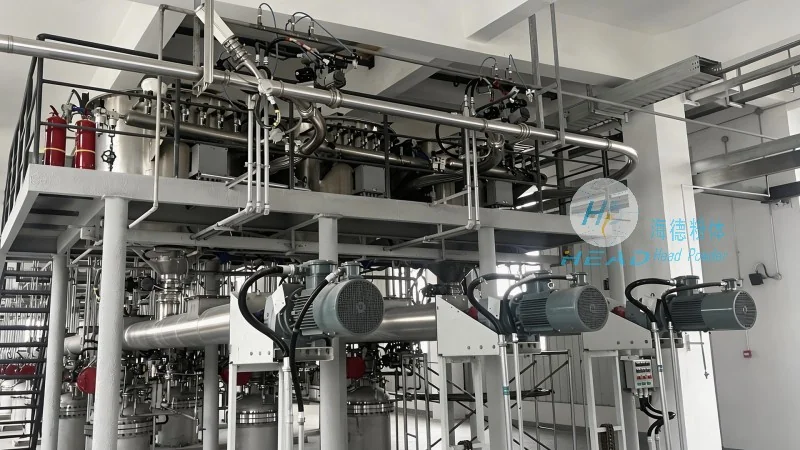
Key Components and Functionalities of the Dry Manure Material Handling System
The dry manure material handling system typically consists of several integrated components that work in tandem to ensure smooth operation. These include feed hoppers, conveyor belts or screw conveyors, storage silos, and sometimes, processing units such as dewatering or compaction equipment. The feed hopper is designed to collect and hold the dry manure, allowing for controlled feeding into the conveyor system. The conveyor mechanism, whether a belt or screw conveyor, efficiently transports the material from the source to the storage or processing area. Storage silos are often used to accumulate the processed manure, enabling bulk handling and easy distribution for subsequent use as organic fertilizer. Each component is engineered to withstand the abrasive nature of dry manure, ensuring long-term reliability and minimal maintenance.
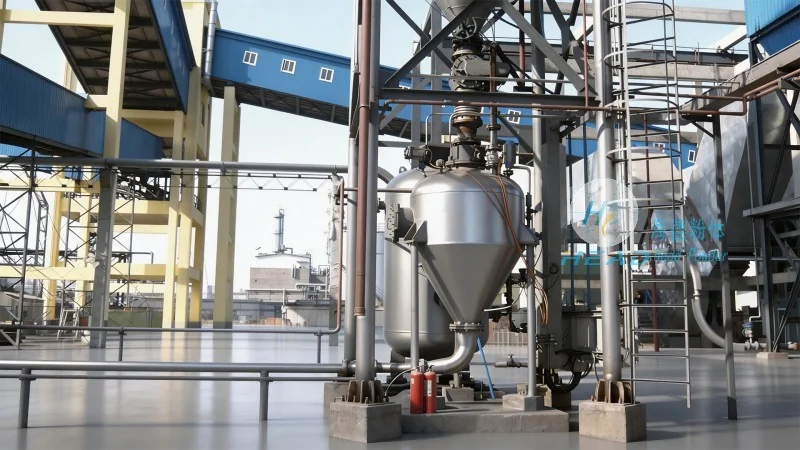
Design Principles Behind the System
The design of a dry manure material handling system is guided by several fundamental principles aimed at optimizing performance and operational efficiency. First, the system prioritizes material flow efficiency, ensuring that the dry manure moves through the entire process with minimal resistance and energy consumption. This is achieved through the use of appropriately sized and angled conveyors, which reduce friction and prevent material buildup. Second, durability is a critical design consideration, as the equipment must endure the harsh conditions of agricultural environments, including exposure to moisture, dust, and heavy usage. Materials such as stainless steel and high-grade polymers are commonly used in the construction of the system components to enhance longevity and resistance to corrosion. Third, the system is designed for easy maintenance and cleaning, with accessible components and removable parts that allow for quick servicing and sanitation. This not only reduces downtime but also ensures compliance with hygiene standards in livestock facilities. Additionally, the design incorporates safety features, such as emergency stop mechanisms and protective guards, to protect operators and prevent accidents during operation.
Applications and Benefits in Agricultural Operations
Dry manure material handling systems are widely used in various agricultural applications, including dairy farms, pig farms, and poultry operations. The primary benefit of these systems is the efficient collection and transportation of dry manure, which reduces labor costs and improves the overall management of animal waste. By converting raw manure into a more manageable and usable form, the system enables farmers to utilize the organic matter as a natural fertilizer, reducing the need for synthetic fertilizers and promoting sustainable soil health. The system also helps in maintaining a cleaner and more hygienic environment on the farm, which is essential for animal welfare and disease prevention. Furthermore, the automated nature of the system minimizes human exposure to waste, enhancing workplace safety and reducing the risk of health issues associated with handling raw manure.
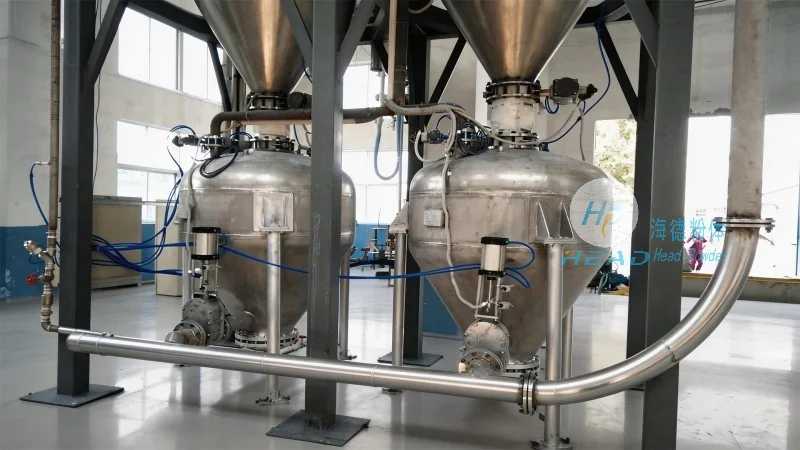
Customization and Adaptability for Different Farm Sizes
HeadPowder recognizes that different farms have varying needs and operational scales. Therefore, the dry manure material handling systems are designed to be customizable, allowing for adjustments based on the specific requirements of the farm. For small-scale operations, the system may include a compact conveyor and a small storage silo, while larger farms can opt for more extensive setups with multiple conveyors and larger storage capacities. The company offers a range of models, from basic handling units to fully integrated systems that include processing capabilities. This adaptability ensures that farmers can select a system that matches their current and future needs, providing a scalable solution for growing agricultural operations. Additionally, the systems can be integrated with existing farm infrastructure, minimizing the need for major construction or modifications to the farm layout.