

What is a Coking Coal Pellet Powder Conveying Line? And What Are Its Design Principles?
Coking coal pellet powder conveying lines are specialized industrial systems engineered to transport and handle coking coal pellets in bulk. These systems are crucial in the steel production industry, where efficient material handling is essential for maintaining production efficiency and reducing operational costs. The coking process, a critical step in steel manufacturing, relies heavily on the consistent supply of high-quality coking coal. A well-designed conveying line ensures that coking coal pellets are moved from storage areas to processing units without loss or degradation, thereby supporting the overall productivity of the coking plant.
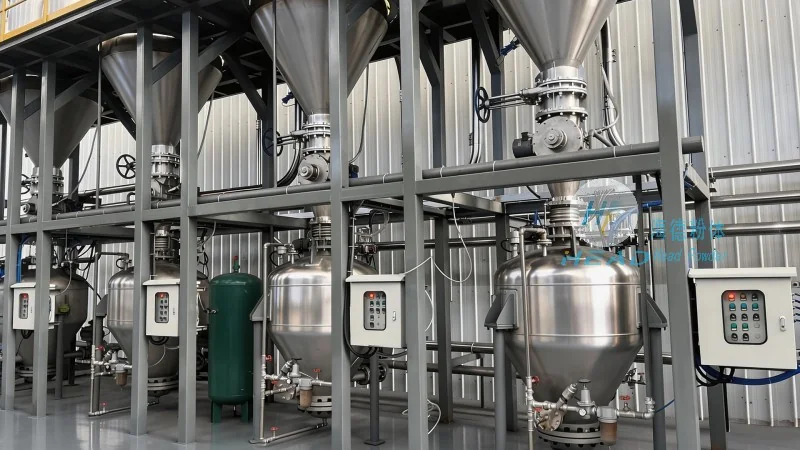
Key Components and System Overview
A typical coking coal pellet powder conveying line consists of several interconnected components that work in harmony to achieve seamless material transport. The primary components include a hopper for material storage, a feeder to regulate the flow of pellets, a conveyor system (such as a belt conveyor or pneumatic conveyor) to move the material, and a control system to monitor and adjust the operation. The hopper is designed to store large quantities of coking coal pellets, ensuring a steady supply to the feeder. The feeder, often equipped with adjustable speed controls, regulates the flow rate to match the conveyor's capacity, preventing overloading or underloading. The conveyor system, which may be a belt conveyor for bulk material handling or a pneumatic conveyor for fine powders, transports the pellets to the processing unit. The control system integrates sensors and automation technology to monitor parameters like flow rate, pressure, and temperature, ensuring optimal performance and safety.
Design Principles and Technical Specifications
The design of a coking coal pellet powder conveying line is based on several key principles to ensure efficiency, reliability, and safety. One of the fundamental principles is the minimization of material degradation during transport. Coking coal pellets are sensitive to moisture and mechanical stress, which can affect their quality and coking properties. Therefore, the system is designed with materials that are resistant to abrasion and corrosion, and components that minimize friction and impact. For example, the conveyor belt is often made of high-quality rubber or synthetic materials with a smooth surface to reduce wear and tear on the pellets. The feeder and hopper are equipped with anti-static measures to prevent dust accumulation and potential fire hazards, which are critical in coal handling operations.
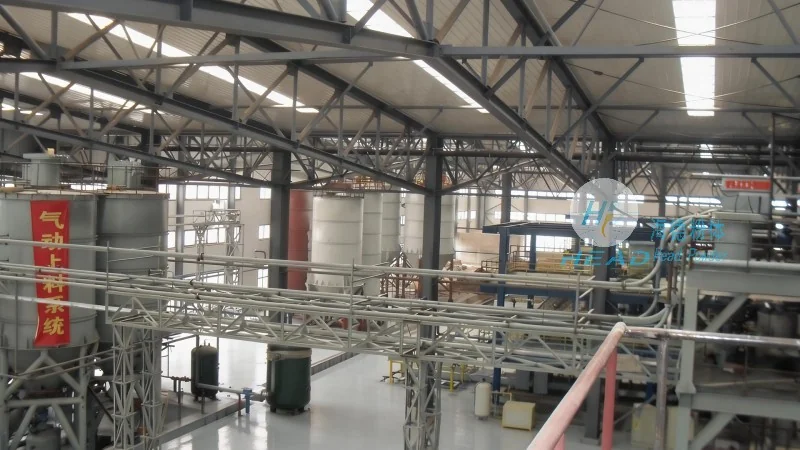
Another important principle is the optimization of energy consumption. The conveying line is designed to operate with minimal energy input while maintaining high throughput. This is achieved through the use of efficient motors, variable speed drives, and optimized conveyor belt speeds. The control system also incorporates energy-saving features, such as automatic shutdown when the hopper is empty or the conveyor is not in use. Additionally, the system is designed for easy maintenance and repair, with accessible components and clear operational indicators, reducing downtime and maintenance costs.
Technical specifications of a coking coal pellet powder conveying line vary depending on the specific application and plant requirements. Common specifications include the capacity of the system, which can range from a few tons per hour to several hundred tons per hour, depending on the production scale. The conveyor length and height are also customized to fit the layout of the coking plant, ensuring that the material is transported from the storage area to the processing unit without the need for excessive vertical or horizontal movement. The system may also include features such as dust collection and filtration to comply with environmental regulations and maintain a safe working environment.
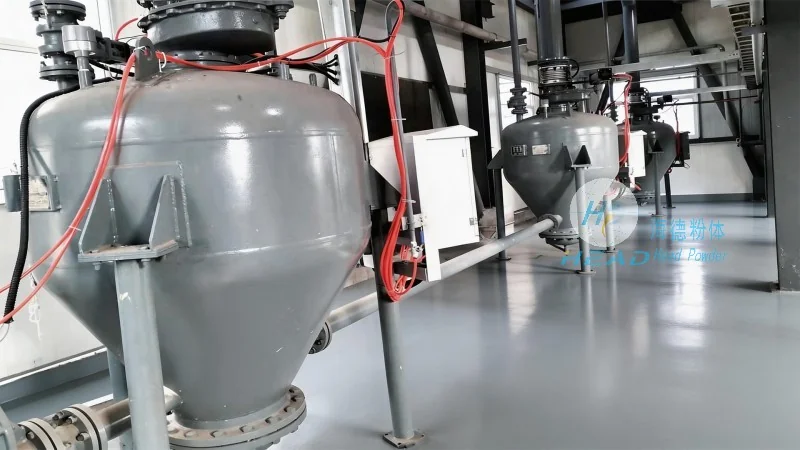
Application Scenarios and Operational Advantages
Coking coal pellet powder conveying lines are widely used in various industrial settings, particularly in steel manufacturing plants. The primary application is in the coking process, where coking coal pellets are transported from storage silos to the coking ovens. These systems are also used in other industries that handle bulk materials, such as power generation and chemical processing, where efficient material transport is essential for production continuity.
The operational advantages of a well-designed coking coal pellet powder conveying line are significant. First, it improves production efficiency by ensuring a consistent and uninterrupted supply of coking coal pellets to the processing units. This reduces downtime and increases the overall output of the plant. Second, it reduces operational costs by minimizing material loss and waste. The system's design minimizes spillage and dust, which not only saves material costs but also reduces the need for cleaning and maintenance. Third, it enhances safety by integrating features such as anti-static measures, dust collection, and automated controls, which reduce the risk of accidents and comply with safety regulations.
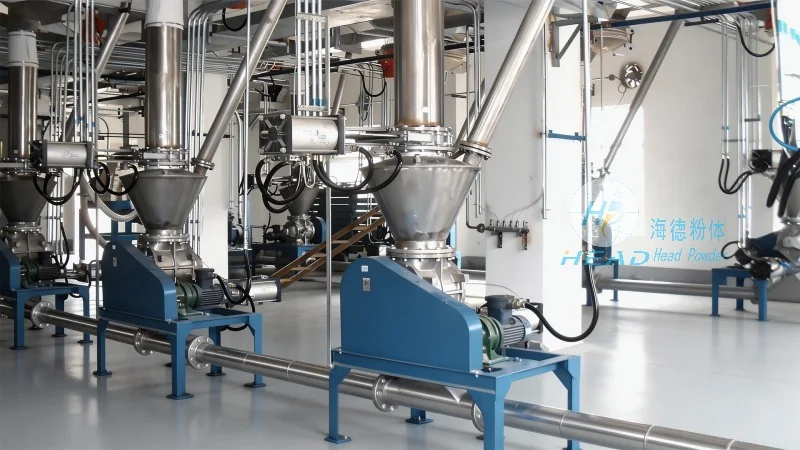
Company Information and Contact Details
Shandong HeadPowder Engineering Co., Ltd., a leading manufacturer of industrial conveying systems, specializes in designing and manufacturing coking coal pellet powder conveying lines. With years of experience in the industry, the company has developed a reputation for producing high-quality, reliable, and efficient systems that meet the diverse needs of its clients. The company's headquarters is located in Shandong, China, and it serves customers worldwide with its advanced technology and professional service.
For more information about coking coal pellet powder conveying lines or other industrial conveying solutions, please contact Shandong HeadPowder Engineering Co., Ltd. The company's team of experts is ready to provide customized solutions and technical support to help clients optimize their material handling processes.