

What is a Titanium Dioxide Powder Conveying Line? What Are Its Design Principles?
Titanium dioxide (TiO₂) is a widely used white pigment and photocatalyst in various industries, including coatings, plastics, and cosmetics. The efficient and safe transportation of TiO₂ powder is crucial for industrial production processes. A titanium dioxide powder conveying line, also known as a TiO₂ powder handling system, is a specialized equipment setup designed to transport TiO₂ powder from storage to processing units. This article explores the fundamental aspects of such a system, focusing on its design principles and operational considerations.

Understanding the Purpose of a Titanium Dioxide Powder Conveying Line
The primary objective of a titanium dioxide powder conveying line is to ensure the seamless and reliable movement of TiO₂ powder throughout the production workflow. This includes transferring the powder from bulk storage silos or hoppers to mixing, grinding, or packaging equipment. The system must maintain the integrity of the powder, preventing agglomeration, contamination, or degradation during transport. Additionally, it needs to comply with safety standards to handle potentially hazardous materials, such as dust explosions or health risks associated with fine powders.
Key Components and Design Principles of the Conveying System
A typical titanium dioxide powder conveying line consists of several interconnected components, each playing a critical role in the overall operation. The design principles are centered around efficiency, safety, and material integrity. Here are the main elements and their functions:
1. Storage and Feeding Equipment
The system begins with a storage silo or hopper that holds the TiO₂ powder. These containers are often made of corrosion-resistant materials, such as stainless steel or special alloys, to prevent contamination from the powder. A feeder, typically a rotary valve or a screw feeder, regulates the flow of powder from the storage vessel to the conveyor. The feeder ensures a consistent and controlled discharge rate, which is essential for maintaining stable conveying speeds and preventing overloading of downstream equipment.

2. Conveying Mechanisms
There are several types of conveying mechanisms used in TiO₂ powder systems, including pneumatic conveying (air-assisted) and mechanical conveying (e.g., screw conveyors, belt conveyors). Pneumatic conveying is commonly used for fine powders like TiO₂ because it can handle high volumes and long distances with minimal pressure drops. This method involves blowing air through a pipeline to move the powder particles. Mechanical conveyors, such as screw or belt conveyors, are suitable for shorter distances or when the powder needs to be transported at a higher pressure. The choice of mechanism depends on factors like the powder's properties, the required conveying distance, and the production capacity.
3. Ductwork and Pipeline Design
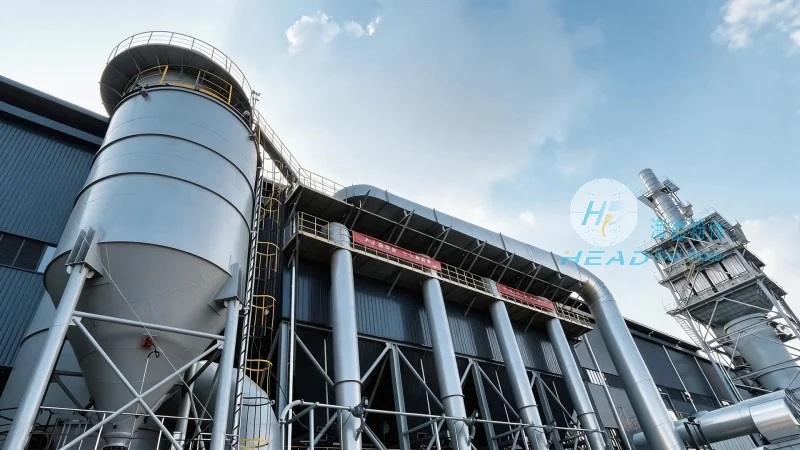
The ductwork or pipeline system is a critical part of the conveying line, as it directly affects the efficiency and safety of the operation. The design must consider factors such as material compatibility, pressure drop, and dust control. Stainless steel or plastic pipes are commonly used to prevent corrosion and ensure the powder remains uncontaminated. The pipeline is often equipped with bends, elbows, and expansion joints to accommodate changes in direction and prevent material buildup or blockages. Proper sealing and maintenance of the ductwork are essential to minimize dust leakage and maintain a clean working environment.
4. Control and Monitoring Systems
Modern titanium dioxide powder conveying lines are equipped with advanced control and monitoring systems to ensure optimal performance. These systems include sensors for measuring flow rates, pressure, and temperature, as well as control valves and regulators to adjust the conveying parameters in real-time. The control system may also integrate safety features, such as dust explosion prevention measures or emergency shutdown procedures. By monitoring the system's performance, operators can detect and address issues promptly, reducing downtime and improving overall efficiency.
Design Principles for Safety and Efficiency
The design of a titanium dioxide powder conveying line must adhere to strict safety and efficiency principles. Safety considerations include preventing dust explosions, which can be triggered by static electricity or sparks. This is achieved through grounding systems, explosion-proof components, and proper ventilation. Efficiency is achieved by optimizing the conveying speed, minimizing pressure drops, and ensuring consistent powder flow. The system should also be designed for easy maintenance and cleaning to prevent contamination and ensure long-term operation.
Applications and Industries Using Titanium Dioxide Powder Conveying Lines
Titanium dioxide powder conveying lines are widely used in various industries that rely on TiO₂ as a key ingredient. These include the paint and coatings industry, where TiO₂ is used as a pigment to provide whiteness and opacity. The plastics industry uses TiO₂ to enhance the UV resistance and whiteness of plastic products. In the cosmetics industry, TiO₂ is used as a pigment in sunscreens and other skin care products. The pharmaceutical industry also utilizes TiO₂ in certain formulations. The efficiency of the conveying line directly impacts the quality and consistency of the final products, making it a critical component in these manufacturing processes.
Conclusion
A titanium dioxide powder conveying line is a sophisticated system designed to handle the transportation of TiO₂ powder with precision and safety. The design principles, which include efficient conveying mechanisms, robust storage and feeding equipment, and advanced control systems, ensure that the powder is moved reliably and without degradation. Companies like Shandong HeadPowder Engineering Co., Ltd., based in China, specialize in the design and manufacturing of such systems, providing tailored solutions to meet the specific needs of different industries. By adhering to these design principles, manufacturers can ensure the efficient and safe handling of TiO₂ powder, ultimately contributing to higher product quality and operational efficiency.