

Common Wood Fiber Conveying Methods: Advantages and Features of HeadPowder's Pneumatic Conveying System
When it comes to transporting wood fibers, various methods are employed depending on the specific requirements of the application. Traditional approaches often involve mechanical systems such as belt conveyors or screw conveyors, which can be effective for certain scenarios but may present challenges with the handling of lightweight, dusty, or abrasive materials. These conventional systems may struggle with issues like material degradation, high maintenance costs, and limited flexibility in handling different fiber types. In contrast, pneumatic conveying systems offer a more efficient and versatile solution for many wood fiber applications.
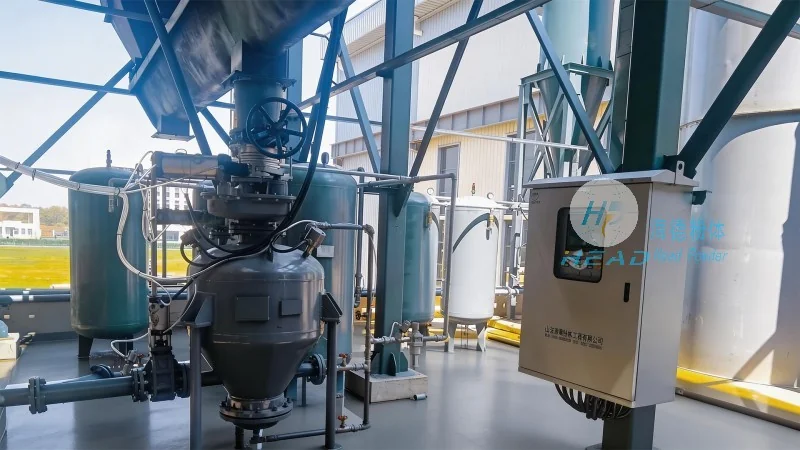
Traditional Conveying Methods and Their Limitations
Mechanical conveyors like belt and screw conveyors have long been used in the wood processing industry. Belt conveyors are suitable for transporting bulk materials over short to medium distances, while screw conveyors are effective for vertical or inclined transport. However, these systems have inherent drawbacks when dealing with wood fibers. For instance, belt conveyors can cause friction and abrasion, leading to fiber breakage and reduced product quality. Screw conveyors, on the other hand, may experience clogging with fibrous materials, requiring frequent cleaning and maintenance. Additionally, both systems are susceptible to material buildup and can be noisy, contributing to operational inefficiencies and safety concerns.
Advantages of Pneumatic Conveying for Wood Fibers
Pneumatic conveying, particularly the positive pressure and negative pressure systems, provides a superior alternative for wood fiber transport. This technology uses air to move materials through a pipeline, eliminating the need for mechanical components that can cause wear and tear. The key advantages include reduced product degradation, as the fibers are not subjected to physical pressure or friction. Pneumatic systems also offer high flexibility, allowing for complex layouts and multiple delivery points without the need for additional equipment. Furthermore, they can handle a wide range of fiber types, from fine sawdust to larger wood chips, with consistent performance. The efficiency of pneumatic conveying is enhanced by the ability to maintain a consistent flow rate, minimizing downtime and improving overall productivity.
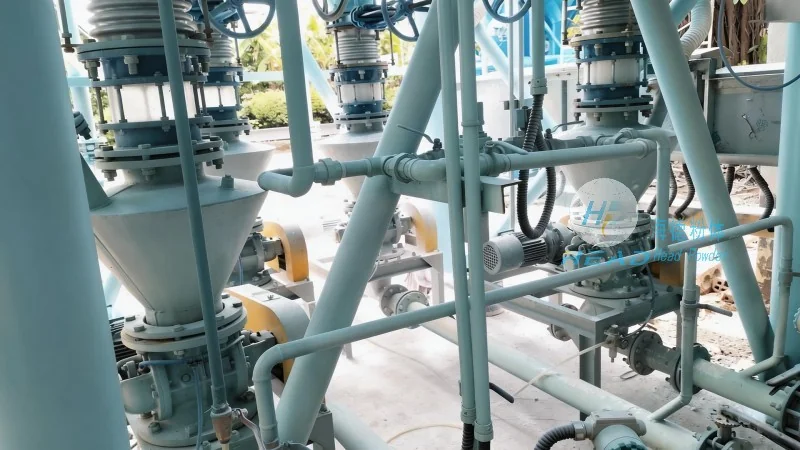
HeadPowder's Pneumatic Conveying System: Key Features and Benefits
Shandong HeadPowder Engineering Co., Ltd. specializes in providing advanced pneumatic conveying solutions tailored to the unique needs of wood fiber processing. The company's system incorporates several innovative features that address the challenges faced by traditional methods. One of the primary benefits is the use of high-efficiency airlocks and feeders that ensure smooth material transfer, preventing clogging and maintaining consistent flow. The system is designed with durable materials resistant to the abrasive nature of wood fibers, reducing wear and extending the lifespan of components. Additionally, HeadPowder's solution includes advanced control systems that allow for real-time monitoring and adjustment of conveying parameters, optimizing performance and energy usage.
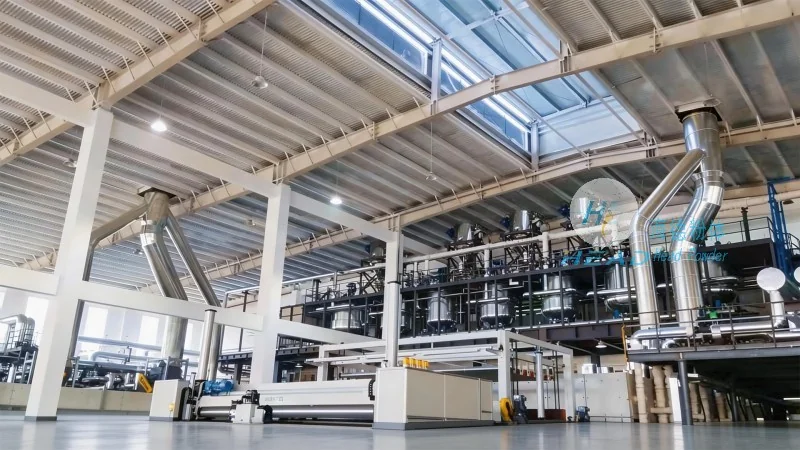
Customization and Versatility in HeadPowder's Conveying Solutions
HeadPowder understands that each wood fiber application has distinct requirements, which is why their pneumatic conveying systems are highly customizable. The company works closely with clients to design systems that fit specific operational needs, including the type of wood fiber, processing capacity, and facility layout. This customization ensures that the conveying system operates at peak efficiency, minimizing waste and maximizing throughput. The versatility of the system also allows it to integrate seamlessly with existing processing equipment, reducing the need for major infrastructure changes. Whether handling fine sawdust for paper production or larger wood chips for biomass energy, HeadPowder's solutions are adaptable to a wide range of applications.
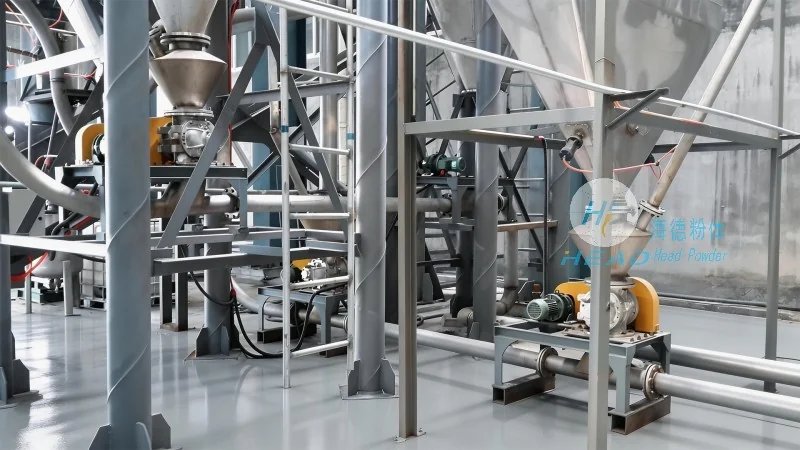
Enhanced Product Quality and Process Efficiency
By utilizing HeadPowder's pneumatic conveying technology, wood fiber processing facilities can achieve significant improvements in product quality and operational efficiency. The gentle handling of materials reduces fiber breakage and contamination, resulting in higher quality end products. This is particularly important in industries where the purity and consistency of wood fibers are critical, such as in the production of wood-based panels or paper. Additionally, the reduced maintenance requirements and lower energy consumption associated with pneumatic systems contribute to cost savings over time. The consistent flow and reliable performance of the system also minimize downtime, allowing facilities to maintain steady production schedules and meet customer demands more effectively.
Conclusion: Choosing the Right Conveying Solution for Wood Fibers
When selecting a wood fiber conveying method, it is essential to consider the specific challenges and requirements of the application. While traditional mechanical systems may seem like a straightforward choice, they often fall short in addressing the unique properties of wood fibers. Pneumatic conveying, particularly with advanced solutions from companies like Shandong HeadPowder Engineering Co., Ltd., offers a superior alternative that combines efficiency, flexibility, and durability. By investing in a well-designed pneumatic conveying system, wood processing facilities can enhance product quality, reduce operational costs, and improve overall process efficiency. With its commitment to innovation and customization, HeadPowder provides a reliable solution that meets the evolving needs of the wood fiber industry.