

[Lithium Carbonate Pneumatic Conveying Equipment: Structure and Principle of Powder Handling Equipme
HeadPowder Engineering Co., Ltd., a leading manufacturer based in Shandong, China, specializes in the design and production of advanced pneumatic conveying systems for various industrial applications. This article provides an in-depth look at lithium carbonate pneumatic conveying equipment, focusing on its structural components and operational principles.
Understanding Lithium Carbonate Pneumatic Conveying Equipment
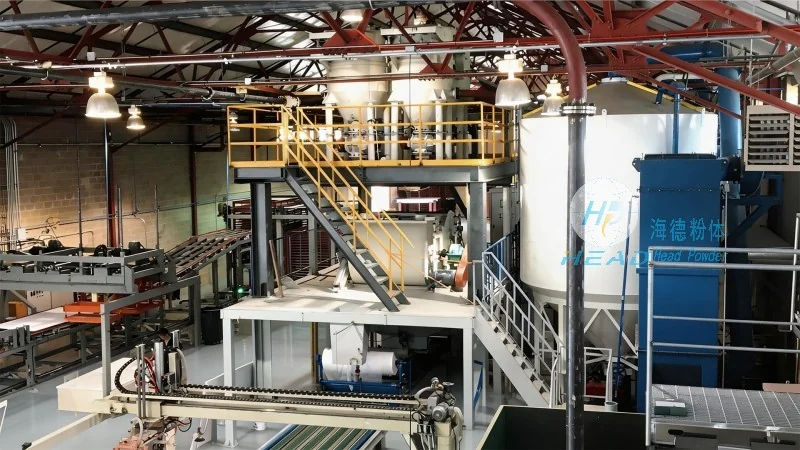
Lithium carbonate is a critical raw material in the production of lithium-ion batteries, which are essential components in modern electronics and renewable energy storage systems. The efficient and reliable transport of lithium carbonate powder is crucial for maintaining production efficiency and product quality. Pneumatic conveying systems offer a solution to this challenge by utilizing air or gas to move powder materials through a pipeline network. These systems are particularly suitable for handling fine powders like lithium carbonate, which can be prone to dust and clogging in traditional mechanical conveying methods.
Key Structural Components of Pneumatic Conveying Systems
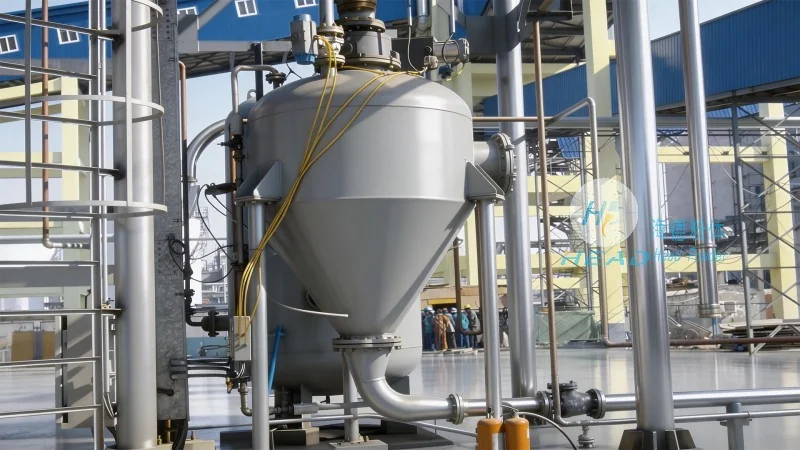
The core components of a lithium carbonate pneumatic conveying system include the material feed hopper, air compressor, conveying pipeline, and material discharge unit. The feed hopper is designed to store and meter the lithium carbonate powder, ensuring a consistent flow rate into the system. It typically features a hopper with a conical bottom and a rotating valve or gate to control the discharge of material. The air compressor provides the necessary pressure and airflow to move the powder through the pipeline. This component is usually equipped with a filter and moisture separator to maintain air quality and prevent contamination of the powder. The conveying pipeline is constructed from materials resistant to corrosion and abrasion, such as stainless steel or special plastic composites, to withstand the chemical properties of lithium carbonate and the abrasive nature of the powder. The pipeline system includes bends, elbows, and straight sections, all designed to minimize pressure loss and prevent material deposition. The material discharge unit, often a receiver or silo, collects the conveyed lithium carbonate powder and may include a discharge valve or conveyor for further processing.
Operational Principles of Pneumatic Conveying
The operation of a lithium carbonate pneumatic conveying system involves several key steps. First, the lithium carbonate powder is fed into the material hopper from a storage silo or batch mixer. The rotating valve or gate in the hopper controls the flow rate, ensuring a steady supply of material. Simultaneously, the air compressor generates high-pressure air, which is introduced into the conveying pipeline. The air and powder are mixed in the pipeline, creating a slurry-like flow that moves the powder forward. The pressure and velocity of the air are carefully controlled to prevent excessive wear on the pipeline and to maintain the integrity of the powder particles. As the mixture travels through the pipeline, it passes through bends and elbows, where the air flow is directed to maintain the powder's suspension. The material discharge unit receives the conveyed powder, and the air is separated from the powder, often using a cyclone separator or filter. The separated air is then returned to the compressor or released to the atmosphere, while the powder is collected and prepared for the next stage of processing.
Advantages of Pneumatic Conveying for Lithium Carbonate
Pneumatic conveying systems offer several advantages over traditional mechanical conveying methods for lithium carbonate. These include the ability to handle fine powders without the need for mechanical components that can cause clogging or wear. The enclosed pipeline system prevents dust contamination and improves safety in the workplace. Additionally, pneumatic conveying allows for flexible system design, with the ability to transport materials over long distances and through multiple processing stages. The system can be easily integrated with other equipment, such as mixers, dryers, and packaging machines, to form a complete production line. Another key advantage is the reduced risk of material degradation, as the enclosed system minimizes exposure to air and moisture, which can affect the quality of lithium carbonate.

Applications in Lithium Carbonate Processing
Lithium carbonate pneumatic conveying equipment is widely used in the lithium battery manufacturing industry. The systems are employed to transport lithium carbonate from storage silos to mixing and drying units, and then to the battery cell production lines. In some cases, the equipment is used to convey the powder between different production facilities, enabling efficient material flow and reducing transportation costs. The reliability and efficiency of these systems are critical for maintaining high production rates and meeting the growing demand for lithium-ion batteries in the global market.
Conclusion
HeadPowder Engineering Co., Ltd. provides high-quality lithium carbonate pneumatic conveying equipment that combines advanced structural design with reliable operational principles. By utilizing pneumatic conveying systems, manufacturers can enhance the efficiency and safety of their lithium carbonate processing operations. The company's expertise in powder handling technology ensures that its equipment meets the stringent requirements of the lithium battery industry, contributing to the production of high-performance batteries for modern applications.