

Common Epoxy Resin Conveying Methods: Advantages and Features of HeadPowder's Pneumatic Conveying System
When it comes to handling epoxy resin, selecting the right conveying method is crucial for ensuring efficiency, safety, and product integrity. Epoxy resin, known for its high viscosity and potential for dust generation, requires specialized equipment to maintain its quality during transport. Among the various options available, pneumatic conveying stands out as a preferred solution for many industries. This article explores common epoxy resin conveying methods and highlights the advantages of HeadPowder's pneumatic conveying system, a leading choice for companies operating in the epoxy resin sector.
Understanding Epoxy Resin and Conveying Challenges
Epoxy resin is a thermosetting polymer widely used in coatings, adhesives, and composites due to its excellent bonding properties and durability. However, its handling presents unique challenges. The material's high viscosity can impede traditional mechanical conveying systems, while its fine particle size increases the risk of dust exposure and inhalation hazards. Additionally, epoxy resin is often sensitive to moisture and temperature changes, which can affect its curing properties and final product quality. Therefore, the choice of conveying method must address these challenges effectively to maintain the resin's performance and safety standards.
Common Epoxy Resin Conveying Methods
Several methods are employed to transport epoxy resin, each with its own set of advantages and limitations. The most common approaches include:
Pneumatic Conveying
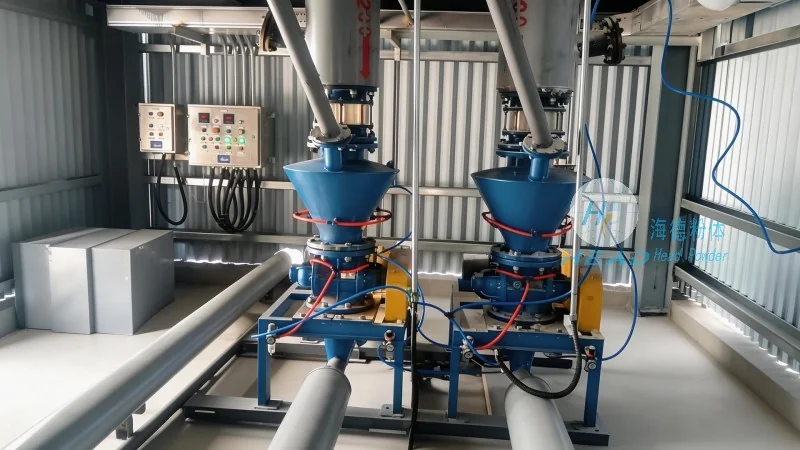
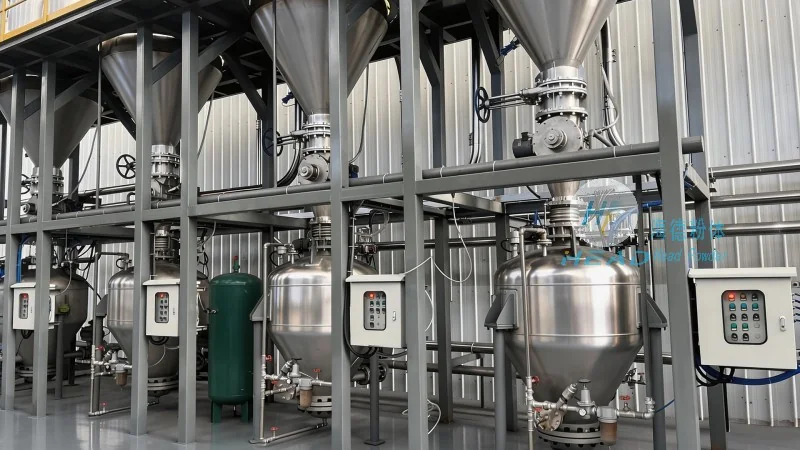
Pneumatic conveying uses compressed air to move material through a pipeline. This method is particularly effective for epoxy resin due to its ability to handle fine powders and viscous materials. The system typically consists of a hopper, a venturi or rotary valve, and a receiver. Compressed air is introduced at the inlet, creating a flow that pulls the resin particles into the pipeline. Pneumatic conveying offers several benefits, including high efficiency, minimal product degradation, and the ability to transport materials over long distances without the need for multiple transfer points.
Gravity Conveying
Gravity conveying relies on the natural flow of material from a higher to a lower elevation. This method is simple and cost-effective for short distances and low-volume applications. However, it is limited by the need for a steep incline and is not suitable for fine powders or viscous materials like epoxy resin, which tend to clog or settle in the pipeline. Gravity systems also require regular maintenance to prevent blockages and ensure consistent flow.
Mechanical Conveying
Mechanical conveying uses equipment such as screw conveyors, belt conveyors, or bucket elevators to transport material. While effective for bulk materials, mechanical systems may not be ideal for epoxy resin due to the risk of product degradation from friction and heat. The high viscosity of epoxy resin can cause wear on the conveyor components, leading to increased maintenance costs and potential contamination of the material.
HeadPowder's Pneumatic Conveying System: Advantages and Features
HeadPowder, a leading manufacturer of industrial conveying equipment, offers a specialized pneumatic conveying system designed specifically for epoxy resin applications. The system incorporates advanced technology to address the unique challenges of epoxy resin handling, ensuring optimal performance and product quality. Key advantages of HeadPowder's system include:
High Efficiency and Low Maintenance
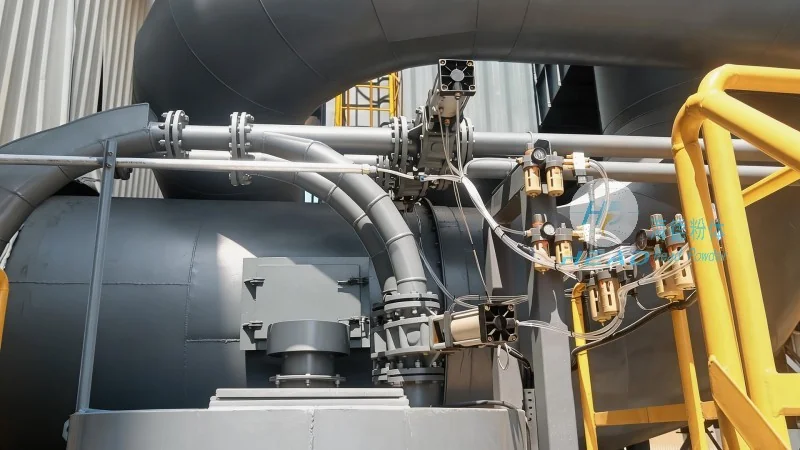
HeadPowder's pneumatic conveying system is engineered for high efficiency, minimizing downtime and operational costs. The use of high-quality materials and precision components reduces wear and tear, resulting in lower maintenance requirements compared to traditional mechanical systems. This translates to longer service life and consistent performance, even with continuous operation.
Product Integrity Preservation
One of the critical features of HeadPowder's system is its ability to maintain the integrity of epoxy resin. The system uses gentle air flow and minimal contact with surfaces, reducing the risk of product degradation, moisture absorption, or contamination. This is particularly important for epoxy resin, which is sensitive to environmental factors that can affect its curing and final properties.
Customizable and Scalable Solutions
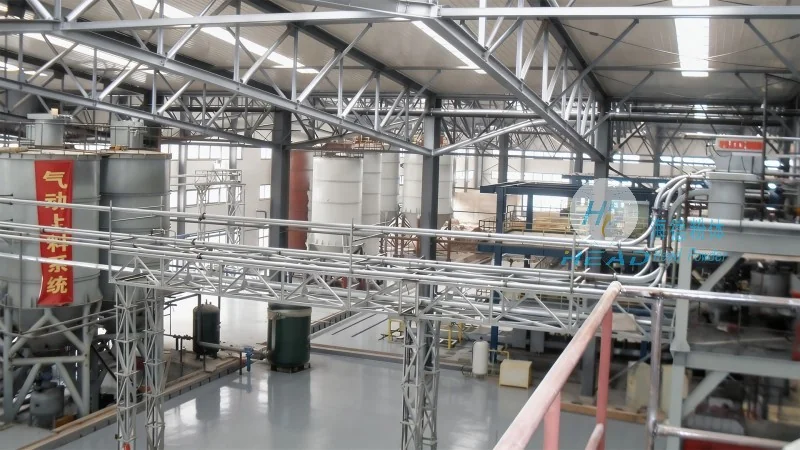
HeadPowder understands that each epoxy resin application has unique requirements. The company offers customizable pneumatic conveying systems tailored to specific production needs, including different pipeline configurations, flow rates, and material handling capacities. This flexibility allows businesses to scale their operations as needed, ensuring that the conveying system remains efficient and effective even as production volumes increase.
Enhanced Safety and Environmental Compliance
HeadPowder's pneumatic conveying system prioritizes safety and environmental compliance. The system is designed to minimize dust generation and exposure, reducing the risk of respiratory hazards and ensuring adherence to occupational health and safety regulations. Additionally, the enclosed pipeline design prevents material spillage and contamination, contributing to a cleaner and more sustainable operation.
Conclusion: Choosing the Right Conveying Method for Epoxy Resin
When selecting a conveying method for epoxy resin, it is essential to consider the material's properties, operational requirements, and safety standards. While gravity and mechanical conveying may be suitable for some applications, pneumatic conveying offers superior performance and reliability for handling epoxy resin. HeadPowder's pneumatic conveying system provides a comprehensive solution that addresses the unique challenges of epoxy resin, ensuring efficient, safe, and high-quality transport. For companies in the epoxy resin industry, investing in a specialized pneumatic conveying system from HeadPowder can lead to improved productivity, reduced costs, and enhanced product quality.