

Common Ore and Sand Conveying Methods: The Advantages and Features of HeadPowder's Pneumatic Conveying Technology
When it comes to transporting ore and sand, various methods are employed across different industries. These methods vary in terms of efficiency, cost, and suitability for specific materials and operational environments. Understanding the common approaches to ore and sand conveyance is crucial for selecting the most effective solution for industrial applications. In this context, we explore the primary methods used for ore and sand transport, with a particular focus on the advantages offered by HeadPowder's pneumatic conveying technology.
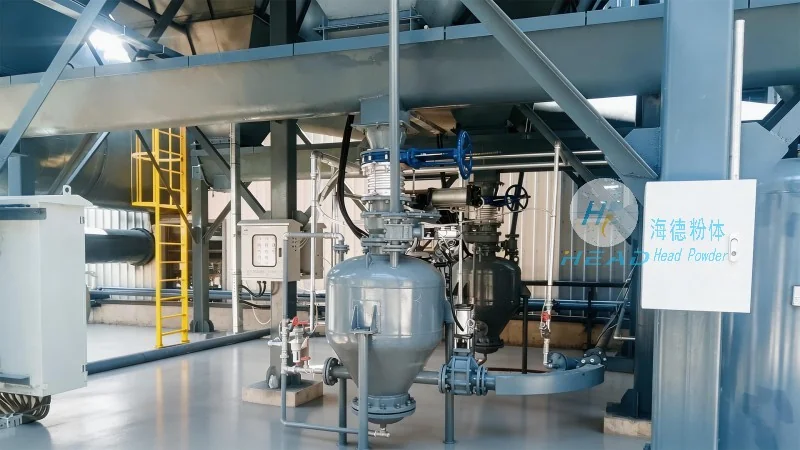
Traditional Conveying Methods: Belt Conveyors and Screw Conveyors
Among the most widely used traditional methods for ore and sand transport are belt conveyors and screw conveyors. Belt conveyors utilize a continuous belt to move materials horizontally or at a slight incline, making them suitable for long-distance and bulk material handling. They are commonly employed in mining and construction sites where large volumes of ore or sand need to be transported over considerable distances. However, belt conveyors may face challenges with material that is too abrasive or sticky, as this can lead to belt wear and operational inefficiencies. Screw conveyors, on the other hand, use a rotating screw to push materials forward, typically in vertical or inclined applications. They are effective for handling granular materials but may struggle with high-capacity or abrasive materials, as the screw and housing can experience significant wear over time.
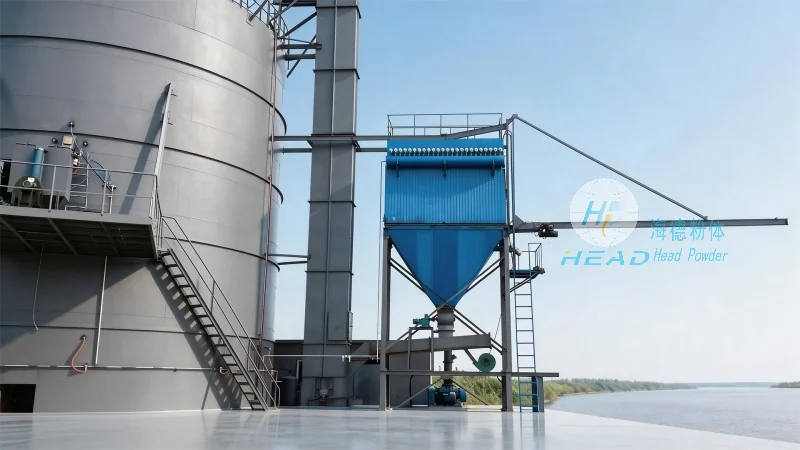
Pneumatic Conveying: An Advanced Solution for Ore and Sand Transport
Pneumatic conveying represents a modern and efficient approach to transporting ore and sand. Unlike traditional mechanical methods, pneumatic systems use air pressure to move materials through a pipeline network. This method offers several advantages, including the ability to handle a wide range of materials, from fine powders to bulk solids, with minimal maintenance and reduced risk of material contamination. HeadPowder, a leading provider of pneumatic conveying solutions, specializes in designing and manufacturing systems tailored to the unique needs of ore and sand transport. Their expertise lies in optimizing the conveying process to ensure high efficiency, reliability, and cost-effectiveness.
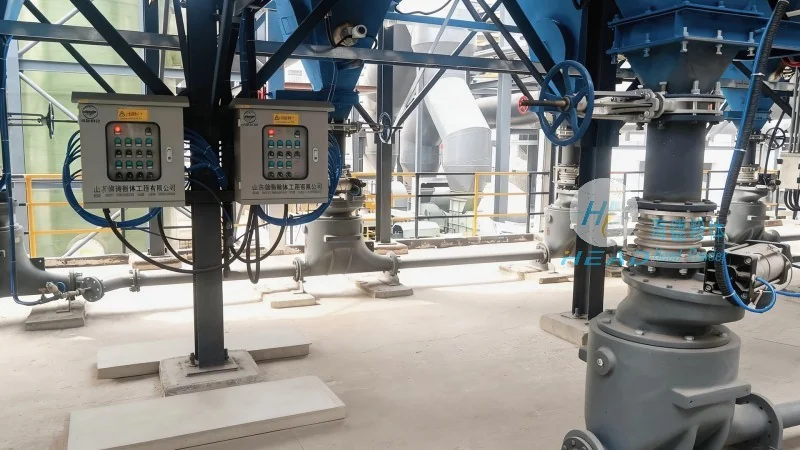
Key Advantages of HeadPowder's Pneumatic Conveying Technology
HeadPowder's pneumatic conveying systems for ore and sand offer several distinct advantages that set them apart from traditional methods. First, the technology enables seamless and continuous material transport, minimizing downtime and improving overall operational productivity. The systems are designed to handle abrasive and corrosive materials without significant wear, ensuring long-term reliability. Additionally, pneumatic conveying reduces the risk of material spillage and contamination, which is critical in industries where material purity is essential. HeadPowder's engineers have developed advanced control systems that allow for precise regulation of air pressure and flow, optimizing the conveying process for different material characteristics and operational requirements.
Customization and Scalability: Tailored Solutions for Diverse Applications
HeadPowder understands that ore and sand transport requirements vary significantly across different industries and applications. Therefore, their pneumatic conveying solutions are highly customizable and scalable to meet specific needs. Whether dealing with small-scale operations or large-scale industrial facilities, HeadPowder can design systems that match the required capacity, material type, and operational environment. The company's engineering team works closely with clients to assess their unique challenges and develop tailored solutions that maximize efficiency and minimize costs. This approach ensures that clients receive systems that are not only effective but also aligned with their long-term operational goals.

Conclusion: Choosing the Right Conveying Method for Ore and Sand
In conclusion, the choice of ore and sand conveying method depends on various factors, including material characteristics, distance, and operational requirements. While traditional methods like belt and screw conveyors remain relevant, pneumatic conveying offers significant advantages in terms of efficiency, flexibility, and reliability. HeadPowder's pneumatic conveying technology provides a superior solution for ore and sand transport, combining advanced engineering with customized design to meet the diverse needs of industrial clients. By selecting HeadPowder's systems, businesses can enhance their material handling processes, reduce operational costs, and improve overall productivity. For those seeking a reliable and efficient solution for ore and sand transport, HeadPowder's pneumatic conveying technology stands as a leading choice.