

What is High-Alumina Fly Ash Material Handling? And What Are the Design Principles?
High-alumina fly ash is a byproduct of coal combustion in thermal power plants, characterized by its high aluminum oxide content. Material handling of this material is a critical process in industrial operations, requiring specialized equipment and design considerations to ensure efficiency, safety, and environmental compliance. This article explores the concept of high-alumina fly ash material handling and delves into the key design principles that underpin effective systems.
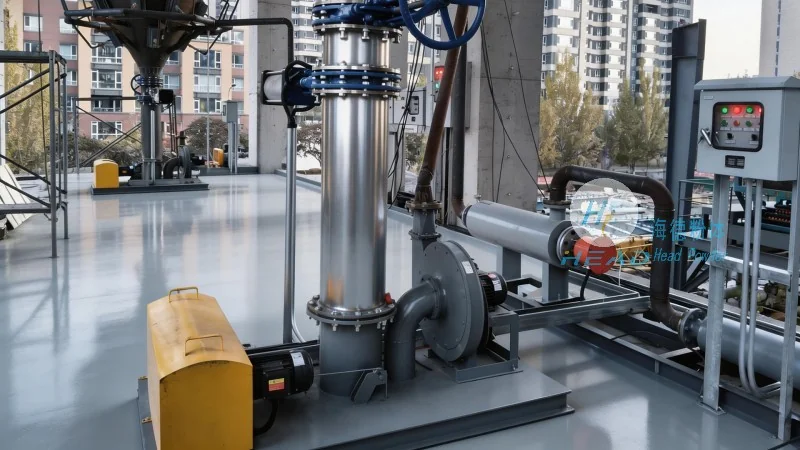
Understanding High-Alumina Fly Ash Material Handling
High-alumina fly ash, often referred to as "high-alumina ash," is a fine particulate material produced during the combustion of coal with high aluminum content. It is commonly used as a raw material in the production of cement, concrete, and other building materials due to its chemical properties. The material handling of this ash involves the collection, transportation, storage, and transfer of the ash from its source to processing or disposal locations. Effective material handling systems are essential to minimize dust emissions, prevent material degradation, and ensure the safe operation of industrial facilities.
Key Design Principles for High-Alumina Fly Ash Handling
The design of high-alumina fly ash material handling systems must address several critical factors to achieve optimal performance. These principles include material properties analysis, equipment selection, system integration, and operational safety. Each of these aspects plays a vital role in the overall efficiency and reliability of the handling process.
Material Properties Analysis
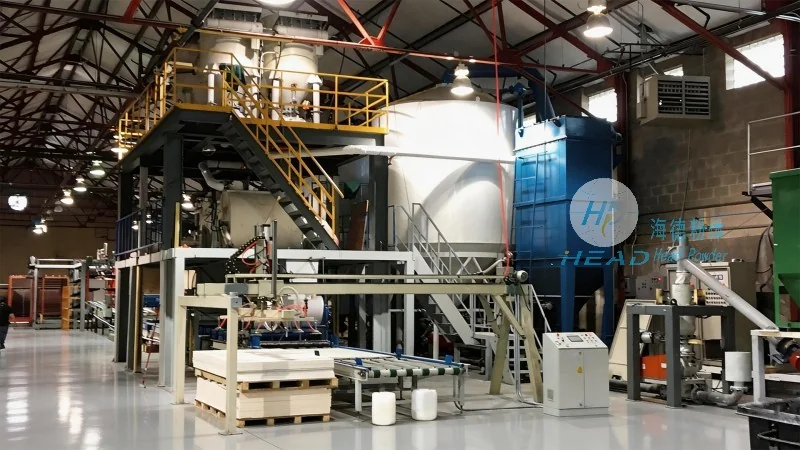
Before designing a material handling system, a thorough analysis of the high-alumina fly ash properties is essential. This includes assessing the ash's particle size distribution, moisture content, density, and chemical composition. The high aluminum oxide content can affect the material's flowability and abrasiveness, which in turn influences the choice of equipment such as conveyors, silos, and storage vessels. For instance, high abrasiveness may require the use of wear-resistant materials in the construction of handling components to extend equipment lifespan and reduce maintenance costs.
Equipment Selection and System Integration
Equipment selection is a critical step in the design process. Conveyors, such as belt conveyors or screw conveyors, are commonly used for transporting high-alumina fly ash over short to medium distances. For longer distances or vertical transport, pneumatic conveying systems may be employed. Silos and storage tanks are essential for temporary storage, and their design must consider the material's flow characteristics to prevent issues like bridging or rat-holing. The integration of these components into a cohesive system requires careful planning to ensure smooth material flow and minimize bottlenecks. For example, the use of a combination of mechanical and pneumatic conveying can optimize the handling process for different operational needs.
Operational Safety and Environmental Compliance
High-alumina fly ash is often handled in large quantities, and safety is a top priority. Design principles must incorporate measures to prevent dust explosions, ensure proper ventilation, and protect personnel from exposure to airborne particles. Environmental regulations also play a significant role, as the handling of fly ash must comply with local and national standards to minimize environmental impact. Dust collection systems, such as baghouses or electrostatic precipitators, are typically integrated into the handling system to capture and treat emissions before they are released into the atmosphere.
Case Study: HeadPowder Engineering's Approach
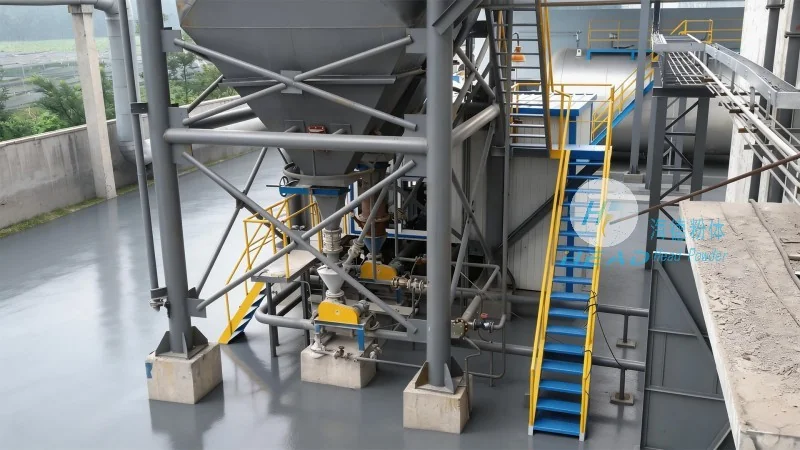
Shandong HeadPowder Engineering Co., Ltd., a leading provider of material handling solutions, specializes in designing and implementing systems for high-alumina fly ash. With operations based in Shandong, China, the company leverages its expertise in industrial engineering to develop customized solutions tailored to the specific needs of clients. Their approach emphasizes the integration of advanced technology with practical design principles to ensure efficient and reliable material handling. By focusing on material properties, equipment selection, and safety compliance, HeadPowder Engineering delivers systems that enhance operational efficiency while meeting environmental standards.
Conclusion
High-alumina fly ash material handling is a complex process that requires a comprehensive understanding of material properties, equipment capabilities, and operational requirements. The design principles outlined above provide a framework for developing effective handling systems. By adhering to these principles and leveraging the expertise of companies like Shandong HeadPowder Engineering Co., Ltd., industrial facilities can achieve efficient, safe, and environmentally responsible handling of high-alumina fly ash. This not only improves operational performance but also contributes to sustainable industrial practices.