

What is Dry Bulk Material Handling? Exploring Its Design Principles
Understanding dry bulk material handling is crucial for industries that rely on the efficient movement of bulk materials. This process involves the transportation of solid materials in bulk form, such as grains, powders, and granules, from one location to another. The core of this operation lies in the design and implementation of systems that ensure safe, reliable, and efficient material transfer.
Key Components of Dry Bulk Material Handling Systems
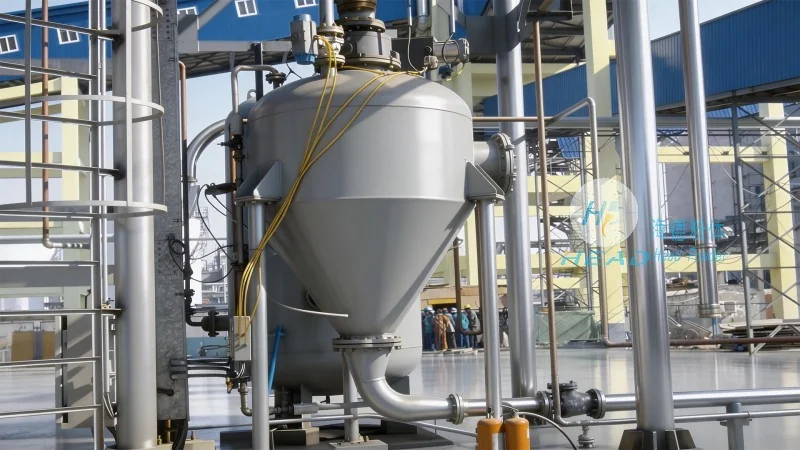
Dry bulk material handling systems typically consist of several key components that work in tandem to achieve effective material movement. These components include feeders, conveyors, storage silos, and discharge equipment. Each component plays a vital role in the overall process, ensuring that materials are handled with precision and minimal loss. For instance, feeders are responsible for controlling the flow rate of materials into the conveyor system, while conveyors transport the bulk material over long distances. Storage silos provide temporary storage, allowing for buffer capacity and better inventory management. Discharge equipment, on the other hand, facilitates the controlled release of materials from the system, often into processing or packaging units.
Design Principles for Optimal Performance
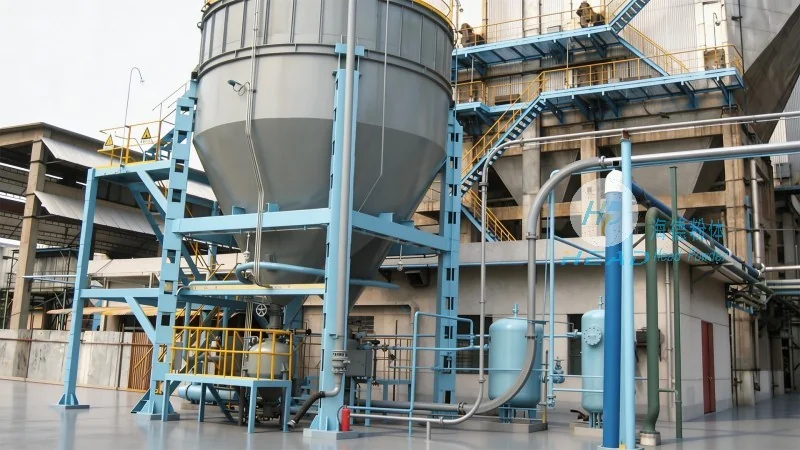
The design of dry bulk material handling systems follows specific principles aimed at maximizing efficiency and minimizing operational costs. One of the primary design principles is the consideration of material characteristics. Different materials have varying flow properties, such as angle of repose, cohesion, and density, which influence the choice of equipment and system layout. Engineers must carefully evaluate these properties to select the most suitable equipment, such as screw conveyors for cohesive materials or belt conveyors for free-flowing granules. Another critical principle is the integration of components to ensure smooth material flow. This involves designing a system where each component is properly aligned and sized to handle the expected material volume and flow rates. Additionally, the design must account for factors like space constraints, environmental conditions, and safety requirements, ensuring that the system operates within regulatory standards and maintains a safe working environment.
Role of HeadPowder in Dry Bulk Material Handling Solutions
Shandong HeadPowder Engineering Co., Ltd., commonly known as HeadPowder, specializes in providing comprehensive dry bulk material handling solutions. With a strong presence in China, particularly in Shandong, the company has established itself as a leader in the industry, delivering high-quality equipment and systems tailored to the specific needs of various sectors. HeadPowder's expertise lies in the design, manufacturing, and installation of custom material handling systems that meet the unique requirements of clients. The company's approach emphasizes the integration of advanced technology with practical engineering solutions, ensuring that each system is not only efficient but also durable and cost-effective. By leveraging years of experience and a deep understanding of material handling principles, HeadPowder helps industries optimize their material flow processes, reduce downtime, and enhance overall productivity.

Conclusion: The Importance of Well-Designed Dry Bulk Material Handling Systems
In conclusion, dry bulk material handling is a critical process in many industrial applications, and the design of its systems is paramount to achieving optimal performance. By adhering to key design principles and leveraging the expertise of companies like Shandong HeadPowder Engineering Co., Ltd., industries can ensure the safe and efficient movement of bulk materials. The continuous improvement and adaptation of these systems are essential for meeting the evolving demands of modern industries, ensuring that material handling remains a reliable and integral part of production processes.