

Common Calcium Powder Conveying Methods: Advantages and Features of HeadPowder Pneumatic Conveying
Calcium powder, a critical raw material in various industrial applications, requires efficient and reliable transportation methods to ensure smooth production processes. The choice of conveying system significantly impacts operational efficiency, product quality, and overall cost-effectiveness. This article explores common calcium powder conveying methods and highlights the advantages of HeadPowder's pneumatic conveying solutions, presented by Shandong HeadPowder Engineering Co., Ltd., based in China.
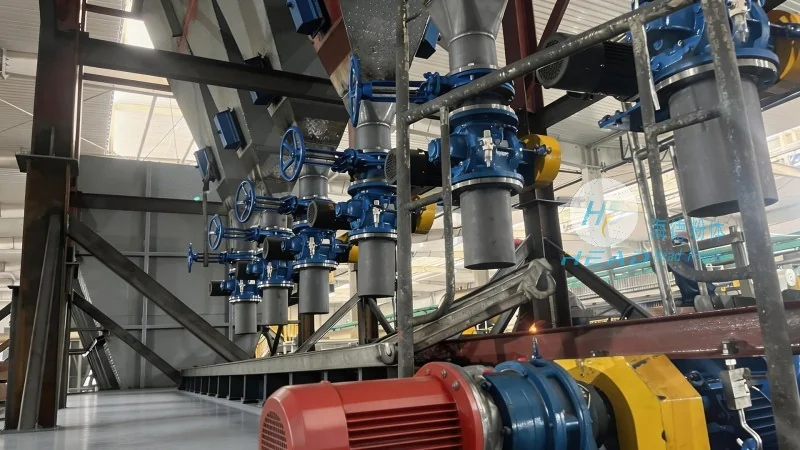
Overview of Calcium Powder Conveying Methods
Traditional calcium powder conveying often relies on mechanical systems such as screw conveyors, belt conveyors, or bucket elevators. While these methods are widely used, they may face challenges like material degradation, dust generation, and limited flexibility in handling varying particle sizes and flow rates. Mechanical conveyors also require regular maintenance and can be less efficient in long-distance or complex layouts.
Common Mechanical Conveying Methods for Calcium Powder
Screw conveyors are commonly used for horizontal or slightly inclined transport of calcium powder. They operate by rotating a helical screw within a trough, pushing the material forward. However, screw conveyors may cause friction and heat generation, potentially affecting the powder's quality, especially for heat-sensitive products. Additionally, they are prone to blockages and require frequent cleaning.
Belt conveyors are suitable for bulk material handling over longer distances. They consist of a continuous belt moving over rollers, transporting the powder from one point to another. Belt conveyors can handle high volumes but may suffer from dust emissions and require proper sealing to prevent material spillage. Their maintenance needs and susceptibility to wear and tear are also considerations in long-term operation.
Bucket elevators are used for vertical or steeply inclined transport of calcium powder. They use a series of buckets attached to a chain or belt, lifting the material vertically. Bucket elevators are effective for vertical transport but may experience issues with material sticking to buckets, leading to uneven discharge and potential blockages. They also demand significant power and may not be ideal for fine or cohesive powders.
Pneumatic Conveying: The Modern Solution for Calcium Powder Transport
Pneumatic conveying, or air-assisted transport, offers a superior alternative to mechanical systems for calcium powder handling. This method uses compressed air to move the powder through a pipeline, combining the material with air to form a slurry or suspension. The primary advantages of pneumatic conveying include high efficiency, minimal product degradation, and the ability to handle fine, abrasive, or hygroscopic powders without damage.
Advantages of HeadPowder Pneumatic Conveying Systems
Shandong HeadPowder Engineering Co., Ltd. specializes in designing and manufacturing advanced pneumatic conveying systems tailored to the unique needs of calcium powder applications. The company's solutions are engineered to address the challenges associated with traditional conveying methods, providing enhanced performance and reliability.
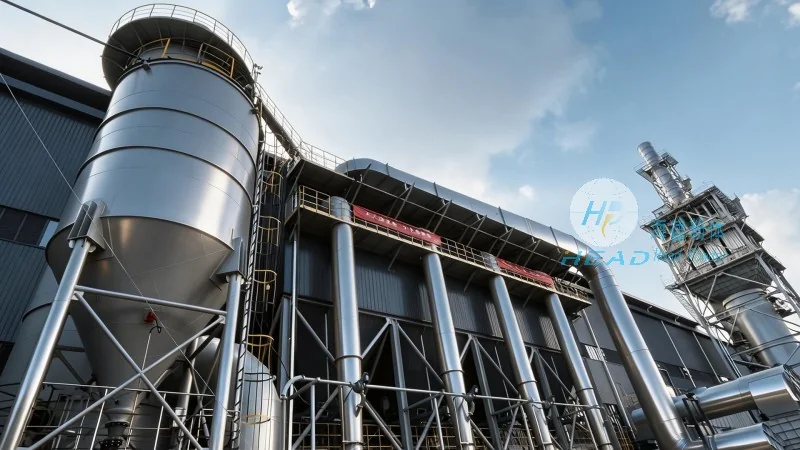
One of the key advantages of HeadPowder's pneumatic conveying systems is their high conveying efficiency. By utilizing compressed air to transport the powder, the system can achieve rapid and consistent material movement, reducing downtime and increasing overall productivity. The air-assisted design allows for smooth and continuous flow, minimizing the risk of material buildup or blockages that often occur in mechanical systems.
Another significant benefit is the preservation of product quality. Pneumatic conveying minimizes friction and heat exposure, ensuring that calcium powder remains in its original state without degradation. This is particularly important for applications where the powder's chemical properties or particle size distribution must be maintained, such as in pharmaceutical or food processing industries.
HeadPowder's systems also excel in handling a wide range of calcium powder characteristics. Whether dealing with fine powders, coarse particles, or cohesive materials, the company's solutions are designed to accommodate varying particle sizes and flow properties. The flexibility of pneumatic conveying allows for adaptation to different production requirements, including changes in material type or processing scale.
Furthermore, the safety and environmental advantages of pneumatic conveying are notable. Unlike mechanical systems that may generate dust and require extensive sealing, pneumatic systems are enclosed, reducing the risk of dust exposure and contamination. This not only enhances workplace safety but also complies with environmental regulations, making HeadPowder's solutions a responsible choice for calcium powder handling.
Technical Features of HeadPowder Pneumatic Conveying
HeadPowder's pneumatic conveying systems incorporate advanced technologies to optimize performance and reliability. Key features include:
1. Positive Displacement Pumps: These pumps deliver a consistent air flow and pressure, ensuring stable material transport. They are particularly effective for handling fine or low-density powders, where maintaining flow consistency is critical.
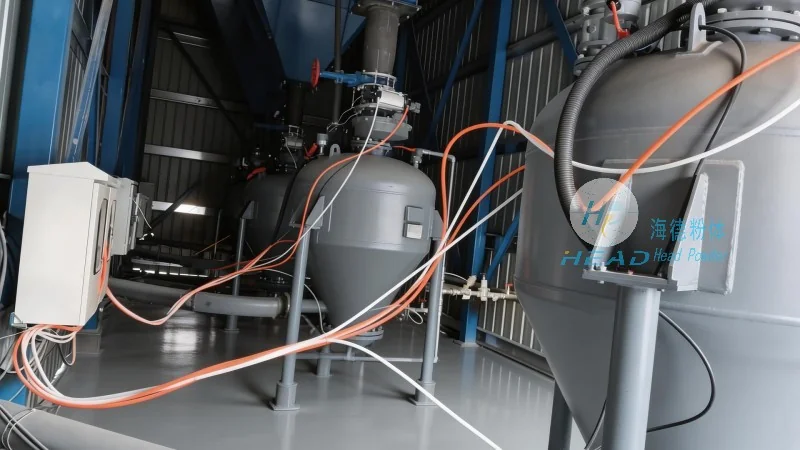
2. Filter and Dust Collection Systems: The systems are equipped with high-efficiency filters to capture and remove dust particles, preventing contamination and ensuring clean air discharge. This feature enhances environmental compliance and maintains product purity.
3. Control and Monitoring Systems: Advanced control panels allow for real-time monitoring of pressure, flow rate, and material levels. This enables operators to adjust the system parameters dynamically, optimizing performance and preventing system failures.
4. Customizable Pipeline Design: HeadPowder designs tailored pipeline layouts to suit specific plant layouts and conveying distances. The use of flexible or rigid tubing, along with appropriate bends and fittings, ensures efficient material transport while minimizing pressure losses.
Application Examples in Calcium Powder Handling
HeadPowder's pneumatic conveying solutions have been successfully implemented in various calcium powder processing applications. For instance, in the production of calcium carbonate, the system efficiently transports raw calcium powder from storage silos to processing units, ensuring a continuous supply without interruptions. In pharmaceutical manufacturing, the system handles fine calcium powder with precision, maintaining the product's purity and preventing cross-contamination.
In the food industry, where calcium powder is used as a nutritional supplement, the system's enclosed design and filtration capabilities ensure that the powder remains free from contaminants, meeting stringent quality standards. The reliability of HeadPowder's systems has also been demonstrated in large-scale industrial plants, where consistent and high-volume material transport is essential for meeting production targets.
Conclusion
Choosing the right calcium powder conveying method is crucial for optimizing industrial operations. While mechanical systems have been traditional choices, pneumatic conveying, particularly from HeadPowder, offers superior advantages in efficiency, product quality, and safety. Shandong HeadPowder Engineering Co., Ltd., with its expertise and advanced technology, provides customized pneumatic conveying solutions that address the unique challenges of calcium powder handling. By investing in HeadPowder's systems, industries can enhance their production processes, reduce costs, and ensure compliance with industry standards.