

What is a Micropowder Pneumatic Conveying System Equipment? What are its Design Principles?
When it comes to efficient material handling in industrial settings, especially for fine powders, the micropowder pneumatic conveying system equipment has emerged as a critical solution. This technology enables the transport of powders and granules through a pipeline using compressed air, offering advantages such as low maintenance, minimal product contamination, and the ability to handle delicate materials. As a leading provider in this field, Shandong HeadPowder Engineering Co., Ltd. specializes in designing and manufacturing such systems tailored to meet diverse industrial needs.
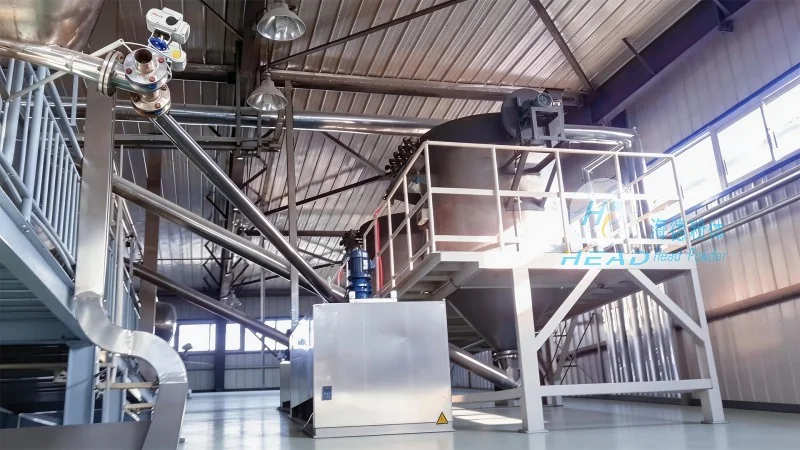
Understanding Micropowder Pneumatic Conveying Systems
A micropowder pneumatic conveying system is a specialized equipment designed to transport fine powders or granular materials from one location to another within an industrial facility. The core principle involves using a pressure differential created by compressed air to move the material through a pipeline. This method is particularly effective for materials that are difficult to handle with traditional mechanical conveyors, such as those that are abrasive, sticky, or prone to dust generation. The system typically consists of several key components, including a feeder, a conveying line, a separator, and a receiver. The feeder ensures a consistent flow of material into the system, while the conveying line transports it under pressure. The separator then separates the conveying air from the material, and the receiver collects the material for further processing.
Key Design Principles of Micropowder Pneumatic Conveying Systems
The design of a micropowder pneumatic conveying system is governed by several fundamental principles aimed at optimizing performance and efficiency. The first principle is the selection of the appropriate conveying method, which can be categorized as pressure or vacuum systems. Pressure systems use compressed air to push the material forward, while vacuum systems use suction to draw the material. The choice between these methods depends on factors like the distance to be covered, the material characteristics, and the system layout. Another critical design principle is the sizing of the conveying line and components. The diameter and length of the pipeline, as well as the size of the feeder and separator, are carefully calculated to ensure smooth material flow and prevent blockages. Material properties, such as particle size, density, and moisture content, are also considered to determine the optimal air velocity and pressure required for effective transport. Additionally, the system must be designed to minimize pressure drop and energy consumption, as these directly impact operational costs. Proper sealing and maintenance of all components are essential to prevent leaks and ensure consistent performance over time.
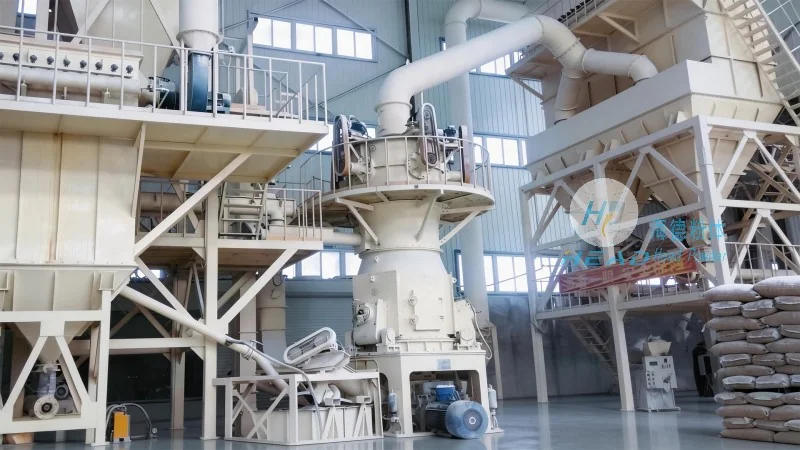
Components and Their Functions in the System
The micropowder pneumatic conveying system comprises several interconnected components, each playing a vital role in the overall operation. The feeder is the entry point of the system, responsible for feeding the material into the conveying line. It can be a rotary valve, a screw feeder, or a hopper with a discharge valve, depending on the material's characteristics and the required flow rate. The conveying line is the main pipeline through which the material and air travel. Its diameter is selected based on the material's particle size and the desired air velocity to prevent clogging and ensure efficient transport. The separator is a crucial component that separates the conveying air from the material. This is typically achieved using a cyclone separator or a bag filter, which captures the material particles and returns them to the system, while allowing the air to escape. The receiver is the final component, where the material is collected after being transported through the pipeline. It is usually a hopper or a storage tank, designed to hold the material until it is further processed or packaged. Each component must be carefully selected and integrated to ensure the system operates efficiently and reliably.
Advantages of Using Micropowder Pneumatic Conveying Systems
Implementing a micropowder pneumatic conveying system offers numerous advantages over traditional material handling methods. One of the primary benefits is the ability to handle delicate or sensitive materials without causing damage or contamination. The enclosed system prevents dust from being released into the environment, reducing health hazards and maintaining product quality. Additionally, the system is highly flexible and can be easily integrated into existing industrial processes. It can transport materials over long distances and through complex layouts, making it suitable for various applications in industries such as pharmaceuticals, food processing, chemicals, and minerals. The low maintenance requirements and reduced downtime also contribute to cost savings, as the system is less prone to mechanical failures compared to traditional conveyors. Furthermore, the system's ability to handle a wide range of materials, from fine powders to granules, makes it a versatile solution for diverse industrial needs.

Applications and Industries Benefiting from This Technology
Micropowder pneumatic conveying systems find applications in a wide array of industries, where efficient handling of fine powders is essential. In the pharmaceutical industry, these systems are used to transport active pharmaceutical ingredients (APIs) and other sensitive materials, ensuring product purity and preventing contamination. The food processing industry benefits from these systems when handling ingredients like flour, sugar, and spices, maintaining hygiene standards and preventing cross-contamination. The chemical industry utilizes micropowder conveying systems for transporting various chemicals, including powders that are abrasive or reactive, requiring a controlled and enclosed environment. In the minerals and mining sector, these systems are employed to transport raw materials like coal, cement, and minerals, improving operational efficiency and reducing labor costs. The versatility of the micropowder pneumatic conveying system makes it a valuable asset in any industrial setting where material handling is a critical operation.
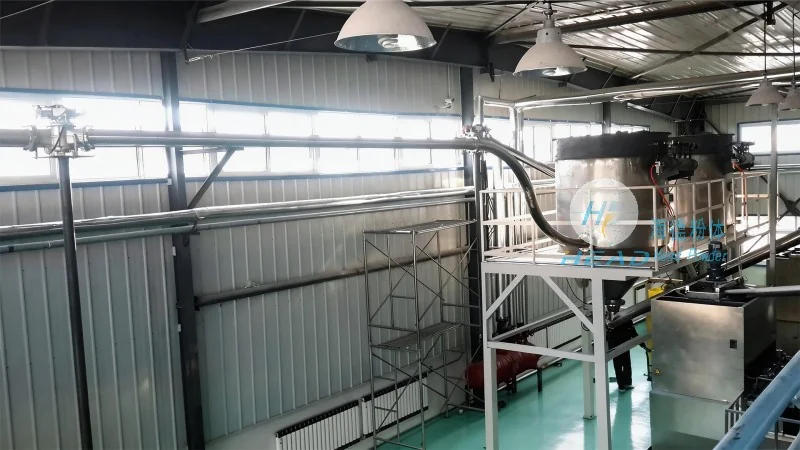
Customization and Integration with Existing Systems
Shandong HeadPowder Engineering Co., Ltd. specializes in providing customized micropowder pneumatic conveying systems tailored to meet the specific requirements of each client. The company understands that every industrial application has unique challenges and constraints, and thus offers flexible solutions that can be integrated seamlessly with existing infrastructure. Customization options include adjusting the system's capacity, modifying the conveying line layout, and incorporating additional components such as dust collectors or material sensors. The engineers at HeadPowder work closely with clients to assess their material handling needs, analyze the operational environment, and design a system that maximizes efficiency and minimizes costs. This approach ensures that the final solution is not only effective but also sustainable and scalable, allowing for future expansion or upgrades as the business grows. By focusing on customization and integration, HeadPowder helps clients achieve optimal performance and operational excellence in their material handling processes.
Conclusion: The Role of Micropowder Pneumatic Conveying Systems in Modern Industry
In conclusion, micropowder pneumatic conveying systems represent a sophisticated and efficient solution for handling fine powders in industrial applications. The design principles and components of these systems are carefully engineered to ensure reliable and consistent performance, while offering numerous advantages over traditional material handling methods. As a leading manufacturer, Shandong HeadPowder Engineering Co., Ltd. plays a crucial role in providing high-quality equipment that meets the diverse needs of industries worldwide. By leveraging advanced technology and a customer-centric approach, HeadPowder continues to contribute to the advancement of material handling solutions, enabling businesses to operate more efficiently and sustainably. The micropowder pneumatic conveying system is not just a piece of equipment; it is a vital component in modern industrial operations, facilitating the smooth and safe transport of materials while maintaining product integrity and environmental compliance.