

What is Hydroxide of Cobalt Pneumatic Conveying Equipment? And What is Its Design Principle?
Hydroxide of cobalt is a crucial material in the battery industry, and the efficient handling of this material often relies on specialized equipment. Among the various handling methods, the pneumatic conveying equipment for hydroxide of cobalt stands out as a highly effective solution. This article will explore what this equipment is and delve into its design principles, providing a comprehensive understanding for those interested in industrial material processing.
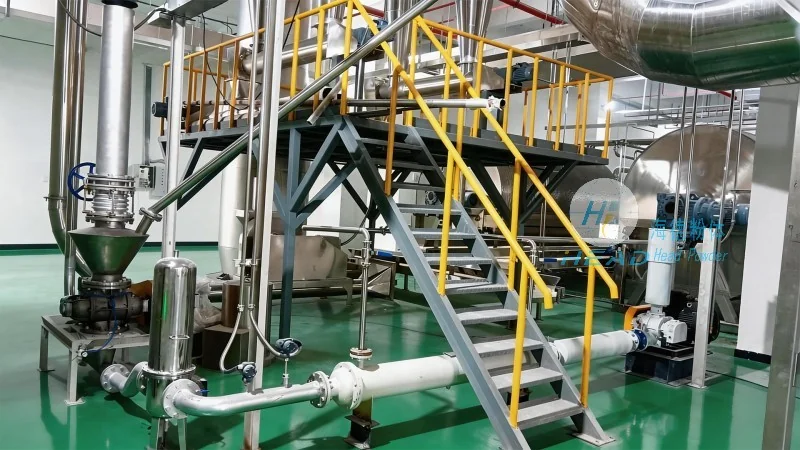
Introduction to Hydroxide of Cobalt Pneumatic Conveying Equipment
The hydroxide of cobalt pneumatic conveying equipment is a system designed to transport hydroxide of cobalt powder or granular materials through a pipeline using air or other gas as the conveying medium. This method is widely used in the battery manufacturing sector due to its ability to handle fine powders without the need for mechanical contact, which can help maintain material purity and reduce contamination risks. The equipment typically consists of several key components, including a feeding system, a conveying pipeline, a separation unit, and a control system, all working in tandem to ensure smooth and efficient material transport.
Design Principle of Hydroxide of Cobalt Pneumatic Conveying Equipment
The core design principle of this equipment is based on the physics of fluid dynamics and particle movement. The system operates by creating a pressure differential between the feeding point and the discharge point. When air is introduced into the pipeline at a high velocity, it generates a negative pressure or a high-velocity stream that pulls the hydroxide of cobalt particles along with it. The design must carefully consider factors such as particle size, density, and moisture content, as these properties directly impact the conveying efficiency and system performance. For example, finer particles may require higher air velocities to achieve stable transport, while larger particles might need a different nozzle or feeding mechanism to prevent blockages.
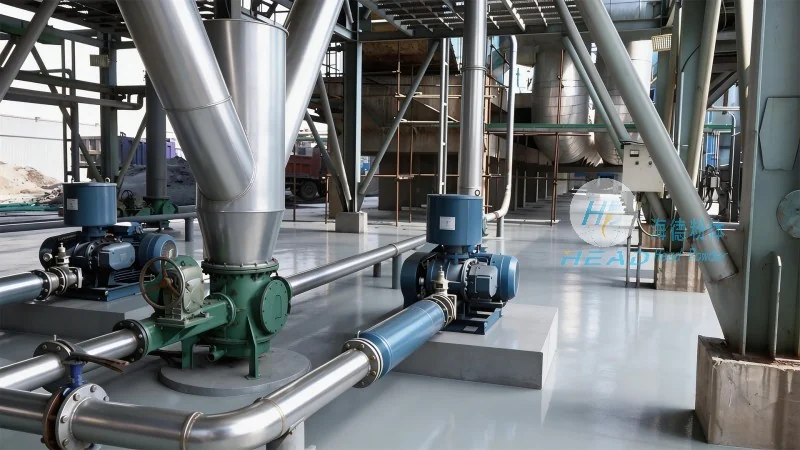
Key Components and Their Functions
The hydroxide of cobalt pneumatic conveying equipment comprises several critical components, each with a specific function to ensure optimal operation. The feeding system is responsible for introducing the material into the conveying pipeline. This may involve a hopper, a rotary valve, or a screw feeder, depending on the material characteristics and the required flow rate. The conveying pipeline is usually made of corrosion-resistant materials, such as stainless steel or polyethylene, to prevent material degradation and equipment wear. The separation unit, often a cyclone or a bag filter, is used to separate the conveyed material from the air stream, allowing the material to be collected at the discharge point while the air is either recirculated or discharged. The control system monitors and regulates the air flow, pressure, and material feed rate to maintain stable operation and prevent system failures.
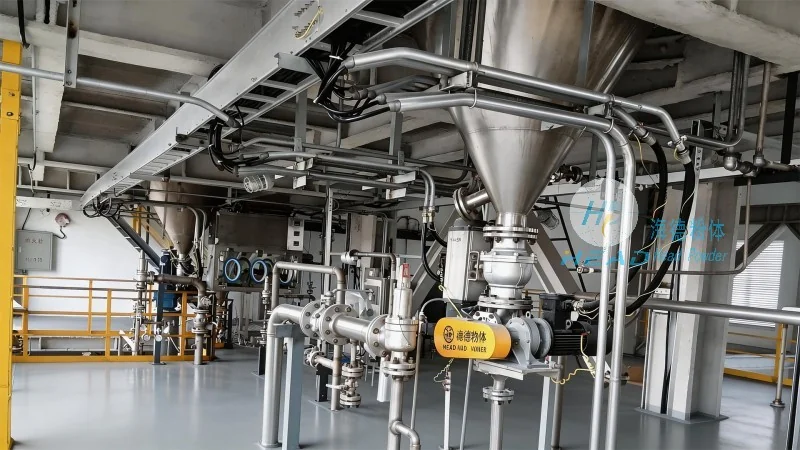
Application Scenarios in Industrial Production
This equipment is commonly used in the production lines of lithium-ion batteries, where hydroxide of cobalt is a key component in cathode materials. The equipment is essential for transporting hydroxide of cobalt from storage silos to mixing and coating machines. In such applications, the equipment must handle large volumes of material with high precision to ensure consistent product quality. Additionally, the equipment is used in research and development labs to transport small batches of hydroxide of cobalt for testing and analysis. The versatility of the pneumatic conveying system allows it to be adapted to various production scales, from small-scale laboratory use to large-scale industrial manufacturing.
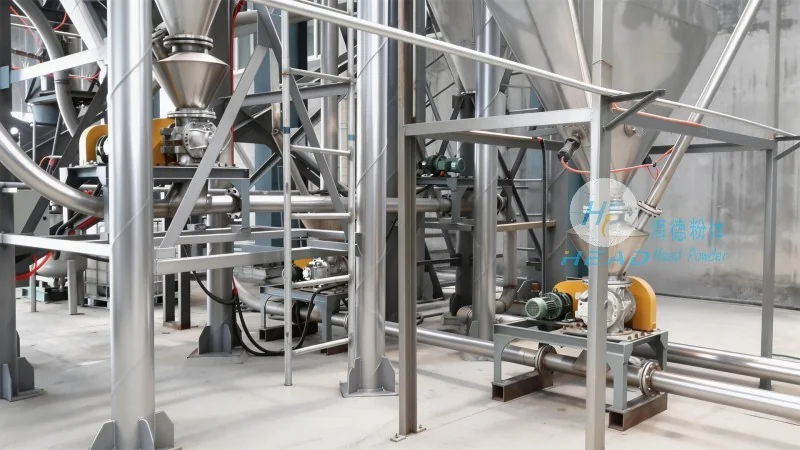
Advantages of Hydroxide of Cobalt Pneumatic Conveying Equipment
Compared to traditional mechanical conveying methods, the hydroxide of cobalt pneumatic conveying equipment offers several advantages. Firstly, it eliminates the need for mechanical contact with the material, which helps maintain the purity of the hydroxide of cobalt and prevents contamination from equipment parts. This is particularly important in the battery industry, where even minor impurities can affect the performance of the final product. Secondly, the system can handle fine powders and granular materials that are difficult to transport using conventional methods. The high velocity of the air stream ensures that particles are fully suspended and transported efficiently, reducing the risk of material buildup or blockages. Thirdly, the equipment is relatively compact and can be integrated into existing production lines without significant modifications. This makes it a cost-effective solution for many manufacturers. Finally, the system is energy-efficient, as it uses air as the conveying medium, which is often less expensive than other power sources and can be easily controlled to optimize energy consumption.
Conclusion
In conclusion, the hydroxide of cobalt pneumatic conveying equipment is a vital tool in the battery manufacturing industry, providing an efficient and reliable method for handling hydroxide of cobalt. Its design principles, based on fluid dynamics and particle physics, ensure that the material is transported safely and effectively. The key components of the system work together to maintain material purity and operational stability. As the demand for lithium-ion batteries continues to grow, the importance of this equipment will only increase, making it a critical investment for manufacturers seeking to improve their production efficiency and product quality. Shandong HeadPowder Engineering Co., Ltd., a leading provider of such equipment, specializes in designing and manufacturing customized pneumatic conveying systems tailored to the specific needs of their clients. With its headquarters in Shandong, China, the company leverages advanced technology and years of industry experience to deliver high-quality solutions that meet the stringent requirements of modern industrial production.