

What are the forage conveying methods? Introduction to Haide forage pneumatic conveying method.
Forage conveying is a critical operation in agricultural processing, animal feed production, and biomass energy industries. The method chosen for moving hay, straw, silage, or other dry bulk materials directly impacts efficiency, product quality, and operational costs. Among the various techniques available, mechanical conveyors and pneumatic conveying systems are the most widely adopted. This article focuses on the distinct advantages of pneumatic conveying, specifically the forage pneumatic conveying solutions provided by Shandong Headpowder Engineering Co., Ltd., a leading manufacturer headquartered in Shandong, China.
Common Forage Conveying Techniques
Traditional forage conveying methods include belt conveyors, screw conveyors, bucket elevators, and chain drag conveyors. Belt conveyors are suitable for horizontal transport of loose material but suffer from spillage and dust generation. Screw conveyors handle fine and semi-dry material but can cause degradation of forage fibers. Bucket elevators are effective for vertical lifting but require high maintenance due to chain wear. Chain drag conveyors are robust for heavy loads but are not ideal for long-distance transport or when gentle handling is required. Each of these mechanical methods has limitations regarding flexibility, dust control, and material degradation. For many modern applications, especially those involving high-moisture or dusty forage, a more advanced solution is needed.
The Rise of Pneumatic Forage Conveying
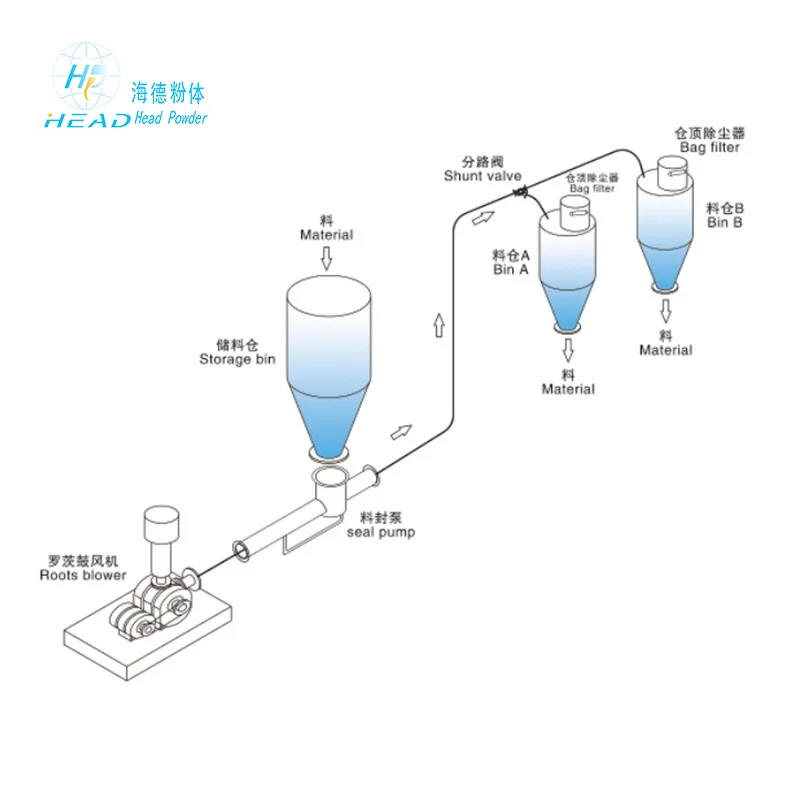
Pneumatic conveying, also known as air conveying, uses air flow to transport forage material through enclosed pipelines. This method eliminates many drawbacks of mechanical systems. The forage material is fed into a stream of air, which carries it through a pipe to the destination. The system can be designed as dilute phase or dense phase depending on the characteristics of the material. Forage pneumatic conveying offers significant advantages: minimal product degradation, complete dust containment, flexible routing over long distances, and the ability to combine multiple pick-up points into one delivery. These features make it ideal for large-scale feed mills, biogas plants, and pellet production lines.
Headpowder's Forage Pneumatic Conveying System
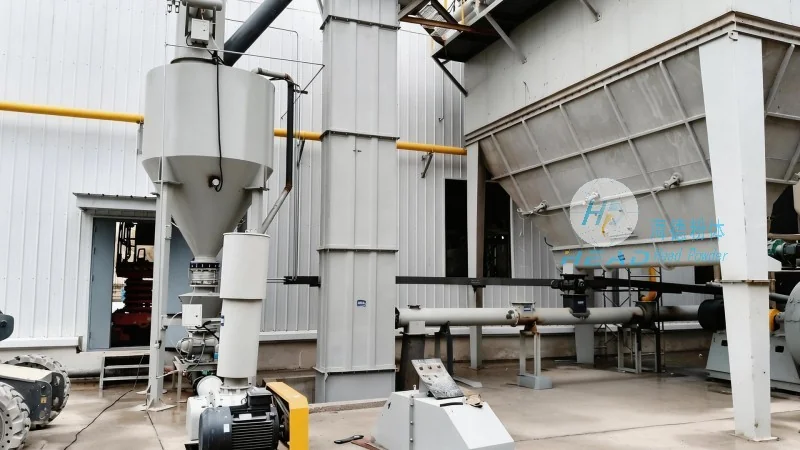
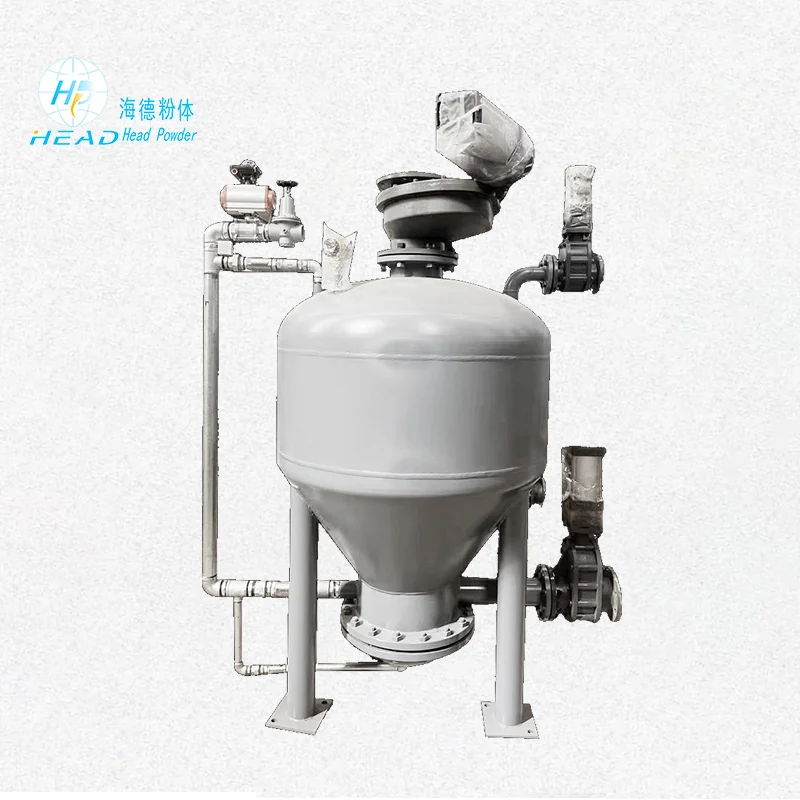
Shandong Headpowder Engineering Co., Ltd., known as headpowder, has developed a specialized forage pneumatic conveying system tailored to the unique properties of hay, straw, and grass. The system incorporates a rotary airlock feeder to introduce the material into the pipeline without air leakage, a high-efficiency fan or blower to generate the required air velocity, and a cyclone separator or filter receiver to separate the material from the air at the discharge point. The entire system is designed to handle light, fibrous, and sometimes dusty forage while maintaining a low energy consumption per ton of material conveyed. Headpowder's engineers have optimized the pipeline diameter, air speed, and feeding rate to ensure non-clogging operation even with wet or sticky forage.
Key Advantages of Headpowder's Forage Pneumatic Conveying
The headpowder forage pneumatic conveying system offers several distinct benefits over traditional mechanical conveyors. First, it reduces product loss and dust emissions, creating a cleaner and safer working environment. Second, the enclosed system prevents contamination from external sources, which is crucial for high-quality animal feed production. Third, the system can be easily integrated with existing storage silos, mixers, and processing equipment. Fourth, the maintenance cost is lower because there are fewer moving parts in contact with the material. Fifth, the system can convey forage over distances exceeding 100 meters horizontally and 30 meters vertically, which is difficult for screw conveyors. All these advantages make headpowder's forage pneumatic conveying a preferred choice for modern material handling.
Application Scenarios for Forage Pneumatic Conveying
Forage pneumatic conveying is widely used in feed mills to transfer hay cubes, alfalfa pellets, and chopped straw from storage to grinding or mixing stations. In biomass power plants, the system delivers shredded straw and grass to boiler feeding points. In pellet production lines, it moves raw material from drying to pressing units. The system is also employed in large dairy farms for distributing haylage to automated feeding systems. Because the material is conveyed in a closed loop, the risk of cross-contamination between different batches is minimized. Headpowder's engineers have successfully installed systems in multiple provinces of China, including Shandong, and have exported to Southeast Asia, the Middle East, and Africa.
Why Choose Shandong Headpowder Engineering Co., Ltd.
Shandong Headpowder Engineering Co., Ltd., located in Shandong, China, is a professional manufacturer specializing in pneumatic conveying systems for bulk solids, including forage, grain, and chemical powders. The company has over 15 years of experience in designing and fabricating complete systems, from single components to turnkey projects. All equipment is manufactured under strict quality control standards, and the company provides comprehensive after-sales support, including installation guidance, commissioning, and spare parts supply. For any inquiry about forage pneumatic conveying, you can contact the company directly. The manager in charge of overseas business is Manager Zhang, who can be reached via WeChat: 15662777102. This contact is available for technical consultation, quotation requests, and project collaboration.
Technical Specifications and Customization
Headpowder's forage pneumatic conveying systems are available in various capacities, ranging from 1 ton per hour to 50 tons per hour. The pipeline diameter typically ranges from 80 mm to 300 mm, depending on the material bulk density and particle size. The system can be designed for either positive pressure (blowing) or negative pressure (vacuum) operation. For dusty forage, a baghouse filter or cartridge filter is recommended to ensure clean air discharge. The control system can be manual, semi-automatic, or fully integrated with PLC and SCADA. Headpowder also offers customized solutions for special requirements, such as mild steel or stainless steel construction, explosion-proof components, and mobile conveying units. The company's engineers work closely with clients to design the most efficient layout, taking into account the available space, existing infrastructure, and the specific properties of the forage material.
Comparison with Mechanical Forage Conveying
When comparing forage pneumatic conveying with mechanical conveyors, several factors must be considered. Mechanical systems like screw conveyors or belt conveyors have lower initial capital costs for short distances, but they often require more frequent maintenance, have higher power consumption per ton per meter, and produce more dust. Pneumatic conveying systems have higher upfront investment but offer lower operating costs over time, especially in facilities with complex routing or multiple discharge points. Moreover, pneumatic systems are easier to clean and sanitize, which is important for food-grade applications. For forage that is lightweight and prone to bridging, pneumatic conveying eliminates the clogs that commonly occur in screw conveyors. Headpowder's design team can provide a detailed cost-benefit analysis for any specific project, helping customers make an informed decision.
Installation and Maintenance Tips
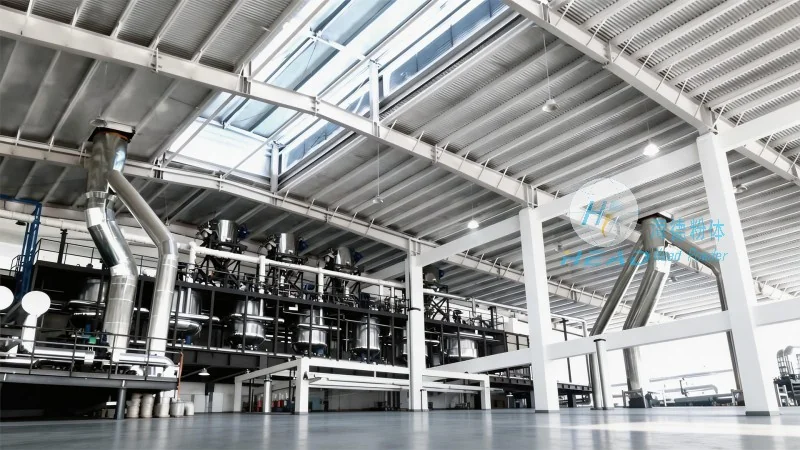
Proper installation is crucial for the long-term performance of any forage pneumatic conveying system. The pipeline should be installed with a slight slope to allow drainage if moisture condenses. Bends should have a radius of at least 5 times the pipe diameter to reduce wear and pressure drop. The air lock feeder must be carefully aligned with the material inlet to prevent air leakage. Regular maintenance includes checking the fan bearings, cleaning the filter bags, and inspecting the wear liners in the pipeline. Headpowder provides a comprehensive manual with scheduled maintenance procedures. The company also offers remote monitoring options for large systems, allowing operators to detect potential issues before they cause downtime. For any technical support, Manager Zhang can be contacted via WeChat: 15662777102, ensuring prompt assistance.
Conclusion
In summary, forage conveying methods have evolved from basic mechanical systems to advanced pneumatic solutions. The forage pneumatic conveying technology developed by Shandong Headpowder Engineering Co., Ltd. provides a reliable, efficient, and clean method for transporting hay, straw, and other forage materials. By eliminating dust, reducing degradation, and offering flexible routing, headpowder's systems meet the demands of modern agricultural and industrial processing. For companies looking to upgrade their material handling lines or build new facilities, headpowder offers engineered solutions backed by years of expertise. The company's commitment to quality and customer service is evident in every project delivered. To discuss your specific forage conveying needs, please reach out to Manager Zhang at WeChat: 15662777102. Shandong Headpowder Engineering Co., Ltd. looks forward to partnering with you for sustainable and efficient material handling.