

Rice Husk Ash Pneumatic Conveying Equipment: Structure and Principle of Powder Conveying Devices
For industries dealing with agricultural byproducts like rice husk ash, efficient material handling is crucial to maintain production flow and ensure quality control. Pneumatic conveying systems offer a reliable solution for transporting such fine powders over short to medium distances. This article explores the structure and operational principles of a specialized pneumatic conveying equipment designed for rice husk ash, manufactured by Shandong HeadPowder Engineering Co., Ltd., a company based in Shandong, China.
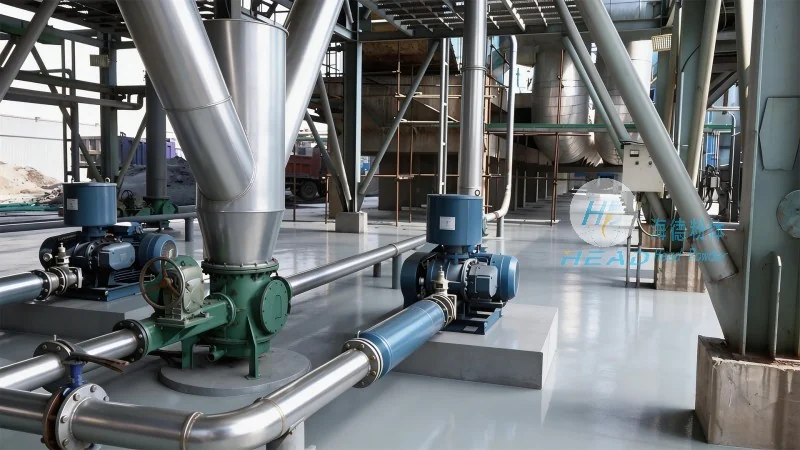
Overview of Pneumatic Conveying Systems for Rice Husk Ash
Pneumatic conveying equipment is a type of powder handling system that uses compressed air or gas to transport bulk materials. In the case of rice husk ash, which is a fine, light powder, a dedicated system is essential to prevent material degradation and ensure consistent flow. The equipment from Shandong HeadPowder Engineering Co., Ltd. is engineered to handle the unique properties of rice husk ash, such as its low bulk density and potential for dust generation.
Key Structural Components of the Pneumatic Conveying Equipment
The pneumatic conveying system for rice husk ash consists of several integrated components that work in tandem to achieve efficient material transport. The primary components include:
1. Feeding Unit: This component is responsible for introducing the rice husk ash into the system. It typically features a hopper with a discharge valve or a rotary valve to control the flow rate. The design ensures that the material is fed uniformly into the conveying line, minimizing blockages and ensuring consistent pressure within the system.
2. Conveying Pipe Network: The main body of the system is the network of pipes that transports the rice husk ash. These pipes are usually made of stainless steel or other corrosion-resistant materials to withstand the acidic and abrasive nature of the ash. The pipe diameter and length are optimized based on the required conveying distance and material flow rate.

3. Air Supply System: Compressed air is supplied to the system through a blower or a positive displacement pump. The air pressure is carefully regulated to maintain the desired flow velocity, which is critical for preventing material settling or clogging in the pipes. The air supply system also includes filters and moisture separators to ensure clean air is used, preventing contamination of the rice husk ash.
4. Dust Separation and Collection Unit: As the material is conveyed, fine particles may be carried along with the air. The separation unit, often a cyclone or a bag filter, removes these particles from the air stream, allowing the clean air to be recirculated or vented safely. This component is essential for maintaining air quality and complying with environmental regulations.
5. Discharge Unit: The final component of the system is the discharge unit, where the rice husk ash is collected in a storage bin or a processing vessel. This unit is designed to handle the material's flow characteristics and prevent any residual material from being left in the system, ensuring complete and efficient transfer.
Operational Principle of the Pneumatic Conveying Equipment
The pneumatic conveying equipment operates on the principle of creating a pressure differential between the feeding and discharge points. In an aspiration (or vacuum) system, a vacuum is created at the discharge end, drawing the rice husk ash from the feeding hopper through the conveying pipes. The compressed air is then introduced at the feeding end to assist in the material movement and maintain the flow. This method is ideal for short to medium conveying distances and for handling materials that are light and fine.
In contrast, a pressure (or positive) system uses compressed air to push the material through the pipes from the feeding end to the discharge end. This system is more suitable for longer distances and for materials that are more dense or have higher flow resistance. The equipment from Shandong HeadPowder Engineering Co., Ltd. may incorporate a combination of both methods, depending on the specific application requirements.
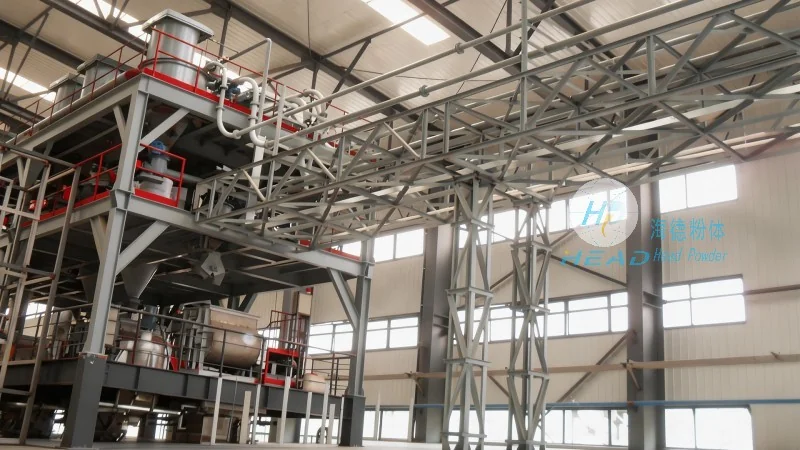
During operation, the feeding unit introduces the rice husk ash into the conveying pipe, where it is entrained by the high-velocity air stream. The air and material mixture travels through the pipe network, with the dust separation unit capturing any fine particles before the clean air is either recirculated or released. The material is then discharged at the end of the pipe, where it is collected in the discharge unit. The entire process is controlled by a system of valves, sensors, and a control panel, which monitors pressure, flow rate, and other parameters to ensure optimal performance.
Benefits of Using Pneumatic Conveying Equipment for Rice Husk Ash
Implementing a pneumatic conveying system for rice husk ash offers several advantages over traditional methods such as belt conveyors or bucket elevators. First, it provides a closed system, which minimizes dust exposure and improves workplace safety. This is particularly important for handling fine powders that can cause respiratory issues or environmental contamination. Second, the system is highly flexible, allowing for changes in the conveying route or distance without major modifications to the equipment.
Third, the equipment from Shandong HeadPowder Engineering Co., Ltd. is designed for low maintenance and long service life. The use of corrosion-resistant materials and robust components ensures that the system can withstand the harsh conditions of handling rice husk ash, which may contain acidic compounds or abrasive particles. Additionally, the system's energy efficiency is optimized through careful design of the air supply and pressure control, reducing operational costs over time.
Finally, the pneumatic conveying system enhances the overall efficiency of the production process by reducing material loss and improving the consistency of the ash quality. By maintaining a consistent flow rate and preventing material degradation, the system ensures that the rice husk ash is delivered to the next stage of processing in optimal condition, which is critical for applications such as fuel blending or fertilizer production.