

Coal Particle Pneumatic Conveying Equipment: Structure and Principle of Powder Handling Systems
Shandong HeadPowder Engineering Co., Ltd. is a professional manufacturer based in Shandong, China, specializing in the development and production of advanced powder handling equipment. The company focuses on providing high-quality solutions for the transportation of bulk materials, particularly coal particles through pneumatic conveying systems.
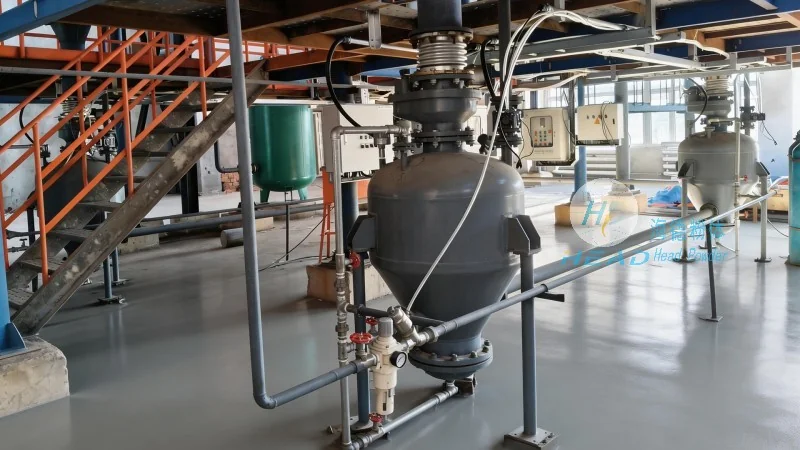
Structure and Working Principle of Coal Particle Pneumatic Conveying Equipment
Pneumatic conveying equipment for coal particles, also known as powder handling systems, is designed to transport dry bulk materials like coal through a pressurized or vacuumed air stream. The system typically consists of several key components that work in coordination to ensure efficient material transfer. These components include a material feeding device, a conveying pipeline, a gas source (air compressor or vacuum pump), a separation unit, and a discharge outlet.
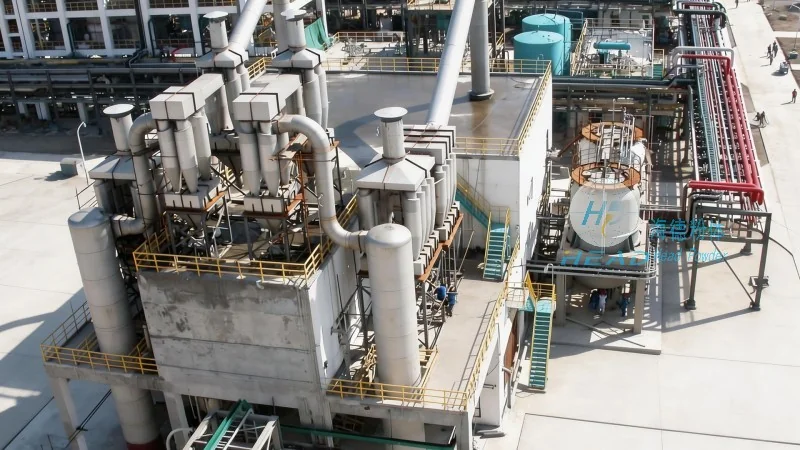
The material feeding device is responsible for introducing coal particles into the system. It may be a hopper or a rotary valve that controls the flow rate of the material. The conveying pipeline, usually made of stainless steel or other corrosion-resistant materials, carries the air and coal particles from the feeding point to the discharge point. The gas source provides the necessary pressure or vacuum to move the material through the pipeline. A separation unit, such as a cyclone separator or a bag filter, is used to separate the coal particles from the air stream at the end of the conveying process, ensuring that the material is collected in a clean and efficient manner.
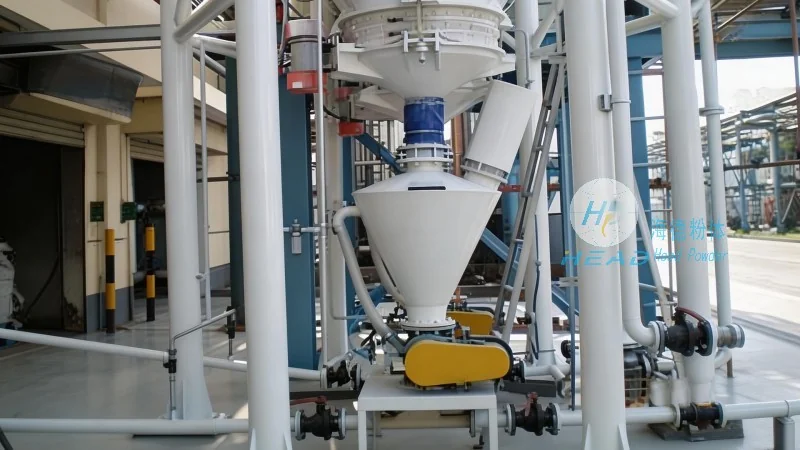
The working principle of the equipment involves the creation of a flow of air within the pipeline. In the case of a vacuum system, the air is drawn through the pipeline, pulling the coal particles along with it. In a pressure system, the air is forced through the pipeline, pushing the material forward. The velocity of the air stream is critical; it must be sufficient to keep the coal particles suspended and prevent them from settling or clogging the pipeline. The design of the system, including the size of the pipeline, the air velocity, and the feeding rate, is carefully optimized to achieve the desired conveying capacity and efficiency.
Key Features and Benefits
Coal particle pneumatic conveying equipment offers several advantages over traditional mechanical conveying methods. One of the primary benefits is the ability to transport materials in a closed system, which helps to prevent dust contamination and improve safety in the workplace. The system is also highly flexible, as it can be easily adapted to different material types and conveying distances. Additionally, the equipment is relatively compact and can be installed in various industrial settings, making it suitable for both large-scale and small-scale operations.
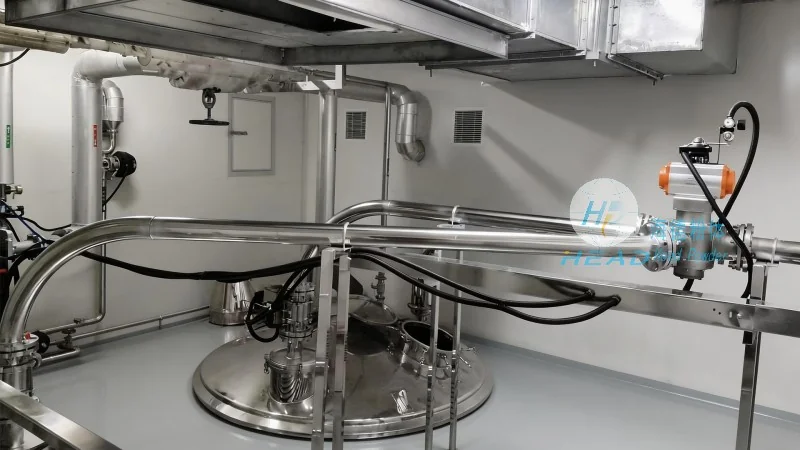
The technology used in these systems is continuously evolving, with advancements in materials, control systems, and energy efficiency. Modern coal particle pneumatic conveyors often incorporate intelligent control systems that monitor and adjust the conveying parameters in real-time, ensuring optimal performance and minimizing energy consumption. This not only enhances the efficiency of the operation but also reduces operational costs for the end-user.