

What are the conveying methods for small materials? Introduction to Haide's pneumatic conveying method for small materials
In modern industrial production, the efficient and accurate conveying of small ingredients, also known as minor additives or micro-batch materials, plays a critical role in maintaining product quality and process consistency. These small quantities of materials, often comprising powders, granules, or fine particles, require specialized handling methods to avoid contamination, segregation, and dust emissions. The selection of an appropriate conveying system directly impacts production efficiency, operational safety, and overall cost-effectiveness. This article provides a comprehensive overview of the primary small ingredient conveying methods, with a special focus on the pneumatic conveying solutions developed by Shandong Headpowder Engineering Co., Ltd. (headpowder), a leading expert in material handling technology based in Shandong, China.
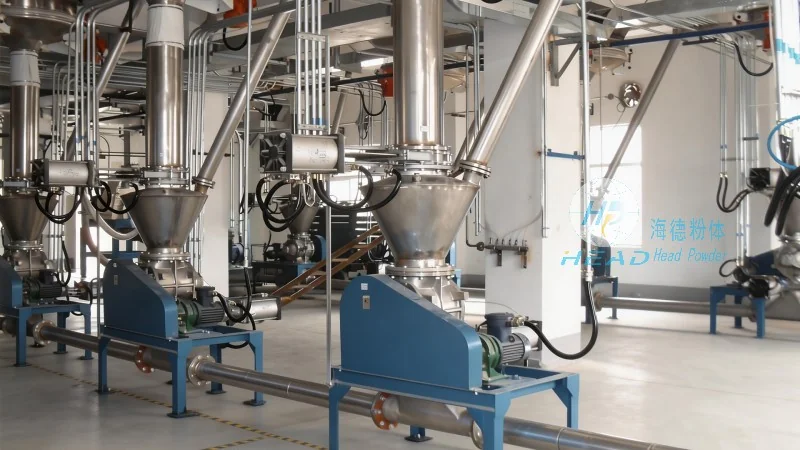
Common Small Ingredient Conveying Methods
Various techniques are employed in the industry to transport small ingredients from storage or dosing points to the production line. Among the most widely used methods are mechanical conveying, manual handling, and pneumatic conveying. Each method has its own strengths and limitations depending on the material properties, distance, and required accuracy.
Mechanical Conveying Systems
Mechanical conveyors, such as screw conveyors, belt conveyors, and bucket elevators, are traditional solutions for moving bulk materials. Screw conveyors are particularly common for small ingredient feeding due to their simple construction and ability to handle a wide range of powders. However, they are prone to material degradation, dust generation, and require regular maintenance. For applications where gentle handling is critical, mechanical systems may not be ideal. Additionally, the footprint of mechanical conveyors can be significant, and they often struggle with very fine powders or sticky materials.
Manual Handling
In many smaller operations, workers manually weigh and add small ingredients using scoops, buckets, or bags. While this method offers flexibility and low initial investment, it introduces significant risks of human error, inconsistent dosing, and exposure to hazardous dust. Manual handling is increasingly being phased out in favor of automated systems, especially in industries with strict hygiene and safety standards, such as food, pharmaceuticals, and advanced chemicals.
Pneumatic Conveying Systems
Pneumatic conveying uses air or gas flow to transport materials through pipelines. This method is highly suitable for small ingredients because it offers enclosed, dust-free, and flexible routing. Pneumatic systems can be classified into dilute phase, dense phase, and vacuum conveying. Among these, small ingredient pneumatic conveying has become the preferred choice for many modern plants due to its precision, cleanliness, and ability to handle multiple ingredients with minimal cross-contamination.
Deep Dive into Pneumatic Conveying for Small Ingredients
When it comes to small ingredient conveying, pneumatic conveying stands out as the most advanced and reliable solution. Headpowder, officially known as Shandong Headpowder Engineering Co., Ltd., has developed specialized pneumatic conveying systems tailored for micro-batch and minor materials. These systems are designed to deliver accurate quantities of powders, granules, and even fragile particles over short to medium distances, with minimal degradation and zero dust leakage.
Dilute Phase Pneumatic Conveying
In dilute phase conveying, materials are suspended in a high-velocity air stream. This method is ideal for non-abrasive, free-flowing powders that are not prone to breakage. Headpowder's dilute phase small ingredient pneumatic conveying systems utilize carefully engineered air velocities and pipeline configurations to ensure uniform distribution and prevent settling. The system is fully enclosed, which eliminates dust emissions and protects the material from moisture or contamination. For applications requiring frequent changeovers of different ingredients, the dilute phase system offers quick purging and clean-in-place capabilities.
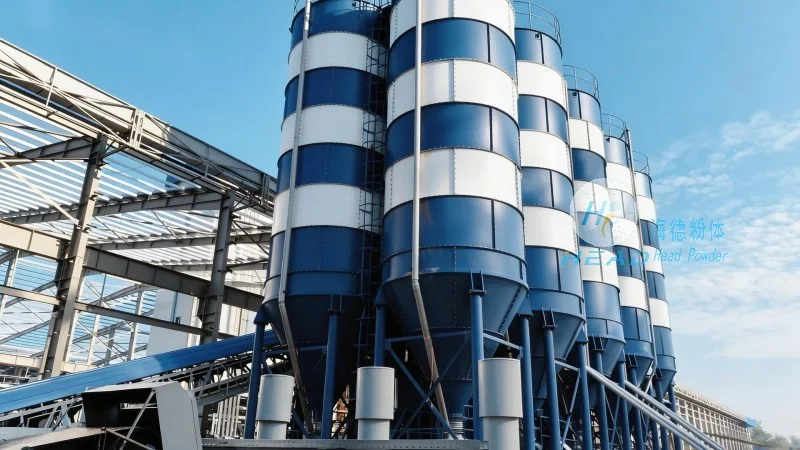
Dense Phase Pneumatic Conveying
For fragile, abrasive, or cohesive materials, dense phase conveying is a better choice. In this method, material is pushed through the pipeline at low velocity in a slug-like manner. Headpowder's dense phase pneumatic conveying for small ingredients uses controlled pressure or vacuum to move material gently, preserving particle integrity and reducing wear on pipelines. This is particularly important for expensive or sensitive additives, such as vitamins, pigments, or catalysts. The dense phase system also handles mixtures with varying particle sizes, making it versatile for diverse production recipes.
Vacuum Conveying Systems
Vacuum conveying is a subset of pneumatic conveying where the driving force is negative pressure. This method is widely used for small ingredient feeding because it allows for easy pickup from multiple sources, such as bags, drums, or hoppers, and delivers material to one or more destinations. Headpowder's vacuum conveying solutions are designed for hygienic environments, with smooth internal surfaces and easy-to-clean components. They are commonly used in food processing, pharmaceutical blending, and chemical compounding where small ingredient pneumatic conveying must meet strict FDA or GMP standards.
Advantages of Headpowder's Small Ingredient Pneumatic Conveying Solutions
Shandong Headpowder Engineering Co., Ltd. (headpowder) brings decades of experience in material handling engineering to the design of its pneumatic conveying systems. The company's focus on small ingredient conveying has led to several unique features that differentiate its products from generic pneumatic systems.
Precision Dosing and Weighing Integration
Headpowder's systems can be seamlessly integrated with high-accuracy weighing scales and loss-in-weight feeders. This ensures that each small ingredient is delivered within tight tolerances, often within ±0.5% of the target weight. The combination of pneumatic conveying and real-time weight feedback eliminates the need for manual verification and reduces waste. For customers seeking a complete turnkey solution, headpowder offers customized control panels that manage multiple ingredients simultaneously, with fully automated recipe management.
Dust-Free and Low-Noise Operation
One of the primary concerns in small ingredient handling is dust generation, which poses health risks to workers and can cause explosions. Headpowder's pneumatic conveying systems are fully enclosed, with sealed connections and specialized filters at discharge points. The systems operate at low noise levels, thanks to carefully designed blowers and silencers. This makes them suitable for indoor installation near sensitive processes or clean rooms.
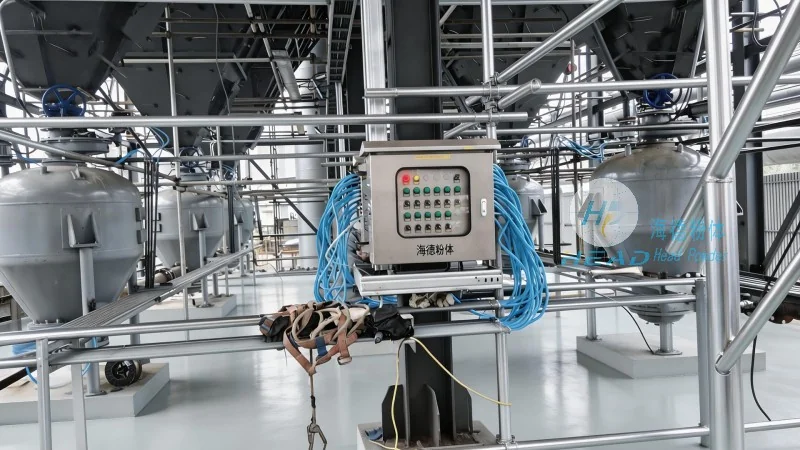
Flexible Pipeline Routing and Easy Retrofit
Unlike mechanical conveyors that require straight runs and significant floor space, pneumatic pipelines can be routed around obstacles, through walls, or overhead. This flexibility is a major advantage for existing plants that need to upgrade their small ingredient conveying methods without major structural modifications. Headpowder's engineering team can design a pneumatic network that fits the exact layout of the facility, minimizing downtime during installation.
Handling a Wide Range of Materials
From fine powders like talc and carbon black to granular materials like sugar and salt, headpowder's pneumatic conveying systems handle diverse bulk densities and particle shapes. The company's material testing laboratory allows for pre-validation of conveying parameters, ensuring optimal performance before the system is built. This is particularly valuable for small ingredient pneumatic conveying where material properties can vary significantly between batches.
Applications of Small Ingredient Pneumatic Conveying
The versatility of pneumatic conveying makes it indispensable across many industries. In the food industry, it is used to transport spices, flavorings, and nutritional additives. In the pharmaceutical sector, it handles active pharmaceutical ingredients (APIs) and excipients with complete containment. The chemical industry relies on it for catalysts, stabilizers, and colorants. Headpowder has successfully delivered projects for clients in China, Southeast Asia, and beyond, demonstrating its expertise in small ingredient material conveying.
Why Choose Shandong Headpowder Engineering Co., Ltd.?
Based in Shandong, China, headpowder is a dedicated engineering company specializing in bulk material handling systems, with a particular emphasis on pneumatic conveying for small ingredients. The team combines deep technical knowledge with practical field experience, offering comprehensive services from system design and fabrication to installation and commissioning. Their commitment to quality is reflected in the use of high-grade stainless steel and wear-resistant components, ensuring long service life even in demanding environments.
For any inquiries regarding small ingredient conveying solutions, including pneumatic conveying systems tailored to your specific needs, please contact Manager Zhang directly via WeChat: 15662777102. The team at Shandong Headpowder Engineering Co., Ltd. is ready to provide technical consultation and project quotations. Let headpowder help you optimize your material conveying process for higher efficiency, lower costs, and improved product quality.
Conclusion
In summary, the choice of small ingredient conveying method has a direct impact on production reliability and safety. While mechanical and manual methods still have their place in certain settings, pneumatic conveying has emerged as the gold standard for accuracy, cleanliness, and flexibility. Shandong Headpowder Engineering Co., Ltd. (headpowder) offers proven pneumatic conveying solutions that address the specific challenges of small ingredient handling. Whether you need a dilute phase, dense phase, or vacuum system, headpowder's expertise can be tailored to your operation. For more information or to discuss your project, feel free to reach out to Manager Zhang on WeChat: 15662777102. Experience the difference that professional material conveying engineering can make.