

What are the feed conveying methods? Introduction to Haide feed pneumatic conveying method.
In modern animal husbandry and aquaculture, the efficient and hygienic transportation of feed materials is a critical link in the entire production chain. Whether for small farms or large-scale feed mills, selecting the appropriate conveying method directly impacts production efficiency, product quality, and operational costs. This article provides a comprehensive overview of the most common feed conveying methods, with a particular focus on the advanced pneumatic feed conveying technology developed by Shandong Headpowder Engineering Co., Ltd. (headpowder). By understanding the characteristics of each method, you can make a more informed decision for your specific application.
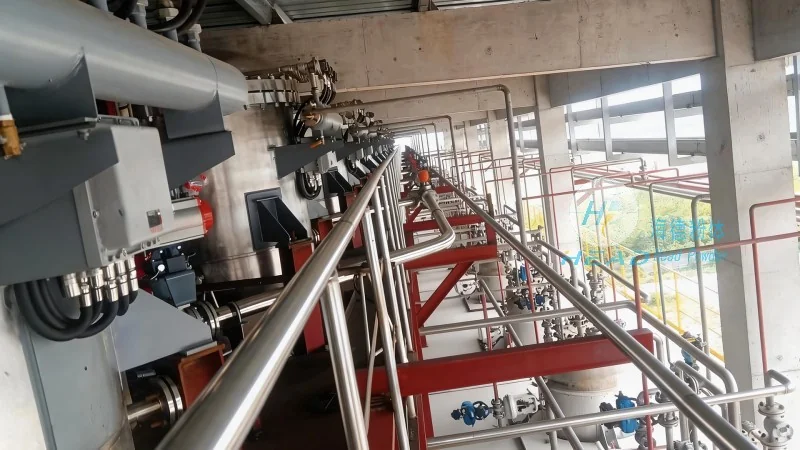
Common Feed Conveying Methods: An Overview
Feed conveying systems can be broadly divided into two categories: mechanical conveying and pneumatic conveying. Mechanical conveying typically uses equipment such as belt conveyors, screw conveyors, bucket elevators, and chain conveyors to move bulk materials from one point to another. Belt conveyors are ideal for horizontal or slightly inclined transportation of large volumes of feed, offering smooth operation and low energy consumption. Screw conveyors, on the other hand, are well-suited for short-distance, enclosed conveying of powdery or granular materials, providing metering capabilities. Bucket elevators are commonly used for vertical lifting of feed ingredients, while chain conveyors excel in handling abrasive or heavy materials. Each of these mechanical systems has its own advantages, such as simplicity, reliability, and relatively low initial investment. However, they also come with limitations, including higher maintenance requirements due to moving parts, potential for material degradation, dust generation, and difficulty in routing through complex plant layouts.
The Rise of Pneumatic Feed Conveying
Pneumatic conveying, also known as air conveying or material conveying by air, has gained significant popularity in the feed industry due to its flexibility, cleanliness, and gentle handling of materials. This method uses a stream of air (or gas) to transport feed materials through pipelines. It is especially advantageous for fine powders, granules, and fragile ingredients that are prone to breakage or segregation. Pneumatic systems can be designed to be completely enclosed, minimizing dust emissions and product contamination. They also allow for easy routing around obstacles, vertical lifts, and multiple discharge points, making them ideal for complex feed mill layouts. The two main types of pneumatic conveying are dilute phase and dense phase. Dilute phase systems use high-velocity air to suspend and transport particles, suitable for dry, free-flowing materials. Dense phase systems use lower air velocities and higher material-to-air ratios, which reduce wear and energy consumption while minimizing product degradation.
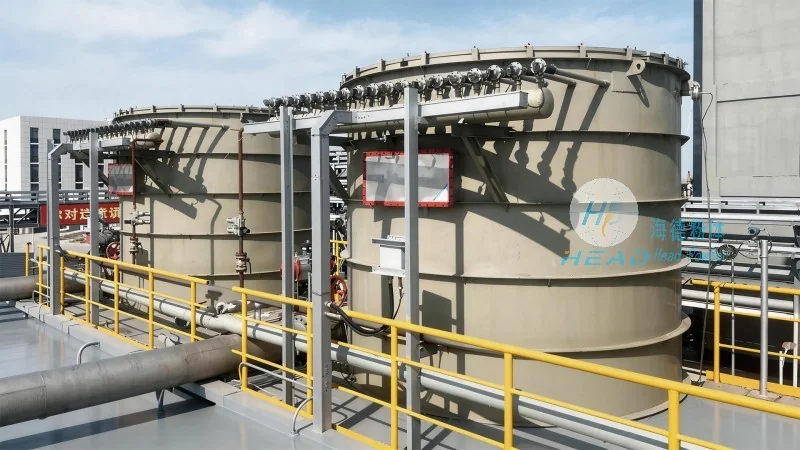
Headpowder's Pneumatic Feed Conveying Solution: Technology and Features
Shandong Headpowder Engineering Co., Ltd., headquartered in Shandong, China, has developed a state-of-the-art feed pneumatic conveying system that addresses the specific needs of the animal feed industry. The company, known by its brand headpowder, specializes in material conveying equipment and engineering solutions. Their pneumatic feed conveying system is designed to handle a wide range of feed materials, including pellets, crumbles, meal, and powdered additives, with exceptional efficiency and reliability. The system utilizes a combination of positive pressure and vacuum technology to ensure smooth, dust-free transportation. Key features include a modular design that allows for easy installation and expansion, intelligent control systems that automatically adjust air flow and material feed rate, and high-quality components that guarantee long service life. The system is also engineered to minimize energy consumption, with optimized air-to-material ratios that reduce compressor load. Moreover, headpowder's feed conveying equipment is built with food-grade materials to meet strict hygiene standards, preventing cross-contamination and ensuring the final product's safety.
Why Choose Headpowder's Feed Pneumatic Conveying?
Compared to traditional mechanical conveyors, headpowder's pneumatic feed conveying offers several distinct advantages. First, it eliminates the need for multiple pieces of equipment and complex transfer points, simplifying the overall layout and reducing maintenance downtime. Second, the enclosed nature of the pipeline prevents dust leakage, protecting workers' health and maintaining a clean working environment. Third, the gentle conveying action preserves the quality of fragile feed ingredients, such as vitamins and enzymes, which are critical for animal nutrition. Fourth, the system can be easily integrated with existing feed processing lines, including grinding, mixing, and pelleting stages. For companies looking to upgrade their feed conveying capabilities, headpowder provides comprehensive engineering services, from initial consultation and design to installation and commissioning. Their team of experienced engineers, led by contact person Manager Zhang, is available to discuss specific requirements and provide tailored solutions.
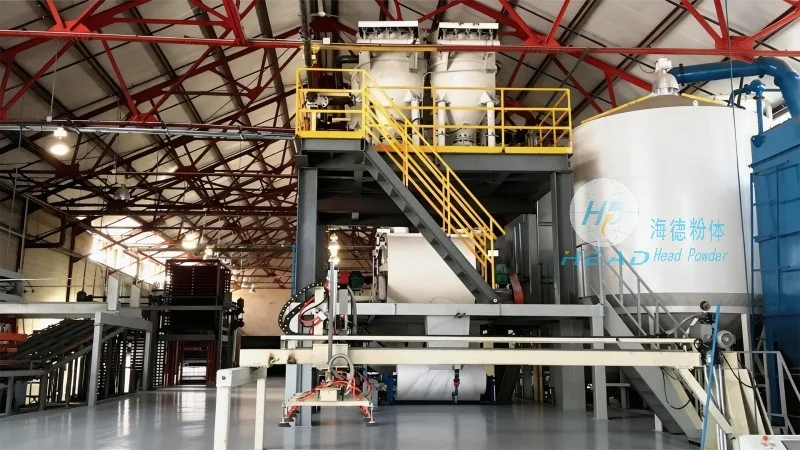
Applications of Feed Pneumatic Conveying in Modern Production
The feed pneumatic conveying system from headpowder is widely used in various sectors, including compound feed manufacturing, premix production, aquafeed processing, and poultry feed mills. For example, in a large-scale feed mill, the system can automatically transport raw materials from storage silos to the mixing section, then convey the finished feed to packaging or bulk loading stations. It is also ideal for adding micro-ingredients, such as amino acids and medicines, ensuring precise dosing and uniform distribution. In addition, the system can be adapted for both indoor and outdoor installations, with optional weatherproof enclosures. The flexibility of pneumatic conveying allows for multiple pick-up and discharge points, making it possible to serve different production lines simultaneously. This is particularly valuable in facilities where space is limited or where future expansion is anticipated. By choosing headpowder's feed conveying solution, producers can achieve higher throughput, lower labor costs, and improved product consistency.
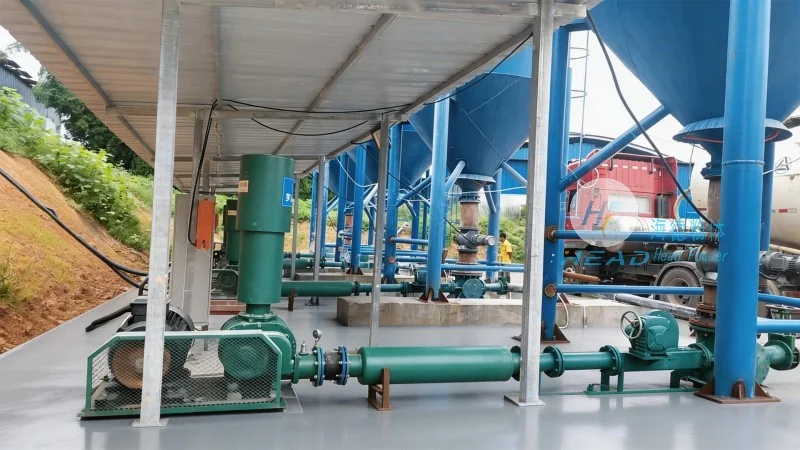
Key Considerations When Selecting a Feed Conveying Method
When evaluating feed conveying options, it is important to consider factors such as material characteristics (particle size, density, moisture content, abrasiveness), required conveying distance and height, plant layout constraints, hygiene requirements, and budget. Mechanical conveyors are often preferred for short distances and high capacities, while pneumatic systems excel in long-distance, multi-directional, and dust-sensitive applications. The initial cost of a pneumatic system may be higher than some mechanical alternatives, but the reduced maintenance and operational flexibility often result in a lower total cost of ownership over the equipment's lifespan. Shandong Headpowder Engineering Co., Ltd. offers cost-effective solutions that balance performance and investment. To learn more about how their feed pneumatic conveying technology can benefit your operation, you can contact Manager Zhang directly via WeChat: 15662777102. The company's team is ready to provide detailed technical information and a free project assessment.
Conclusion: Optimizing Your Feed Conveying with Headpowder
In summary, the choice of feed conveying method depends on your specific production needs. While mechanical conveyors remain a reliable option for many applications, the advantages of pneumatic feed conveying—such as cleanliness, flexibility, and gentle material handling—are driving its adoption across the industry. Shandong Headpowder Engineering Co., Ltd., with its expertise in material conveying engineering, offers a superior feed pneumatic conveying system that meets the highest standards of efficiency and reliability. By integrating headpowder's technology into your feed production line, you can enhance operational performance, reduce waste, and ensure the quality of your final product. For more information or to discuss your project, please reach out to the company's contact person, Manager Zhang, via WeChat: 15662777102. Located in Shandong, China, headpowder is committed to providing innovative solutions for the global feed industry.