

Introduction to Fine Chemical Powder Handling Equipment: Structure and Working Principles
HeadPowder, a leading enterprise in the field of powder handling technology, specializes in the design, manufacturing, and supply of advanced equipment for the fine chemical industry. This article provides an in-depth introduction to the structural design and operational principles of our powder handling systems, highlighting key components and their functions to help clients understand the technology behind efficient powder transport and processing.
Key Components of Fine Chemical Powder Handling Equipment
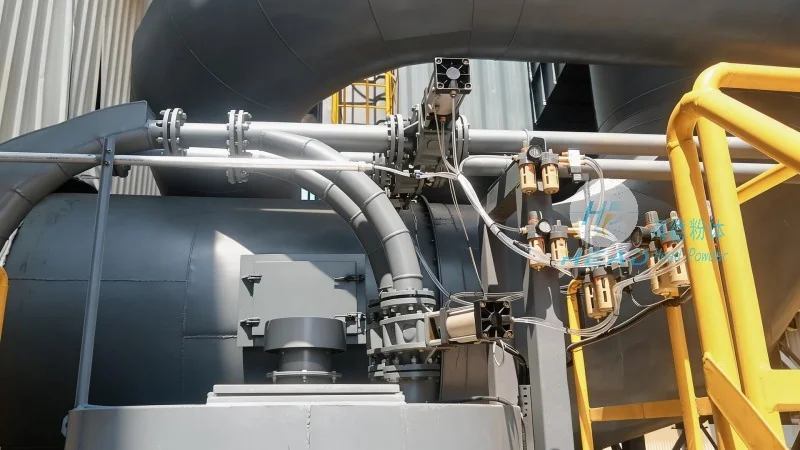
The core of any fine chemical powder handling system is a combination of specialized components engineered to ensure reliable, safe, and efficient material transport. At the heart of these systems is the conveying mechanism, which can include screw conveyors, pneumatic transport systems, or bucket elevators, each tailored to the specific properties of the powder being handled. For fine chemicals, which often have high purity requirements and may be sensitive to moisture or contamination, the choice of material for the conveying components is critical. HeadPowder utilizes high-grade stainless steel and food-grade materials in many of its designs to maintain product integrity and meet stringent industry standards.
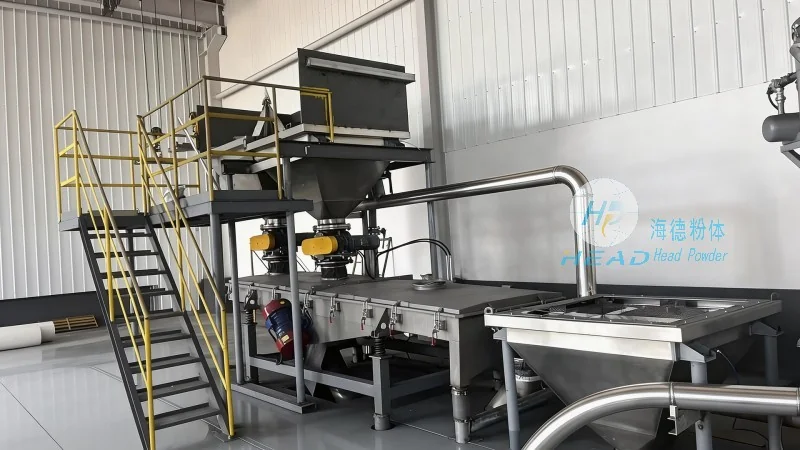
Another essential component is the feeding system, which ensures a consistent and controlled flow of powder from the source to the conveyor. This system typically includes hoppers, feeders, and sometimes pre-screening or de-dusting equipment to prevent clogging and maintain uniform particle size distribution. The feeding mechanism is often synchronized with the conveying speed to prevent overloading or underloading of the transport line, which can lead to material degradation or equipment wear.
The control system is a critical element that integrates all operational parameters, including speed, pressure, and temperature, to optimize the handling process. Modern powder handling equipment often features advanced control panels with digital displays and programmable logic controllers (PLCs), allowing operators to monitor and adjust settings in real-time. This not only enhances operational efficiency but also improves safety by preventing overpressure or underpressure conditions that could damage equipment or pose a hazard to personnel.
Working Principles of Pneumatic Powder Transport Systems
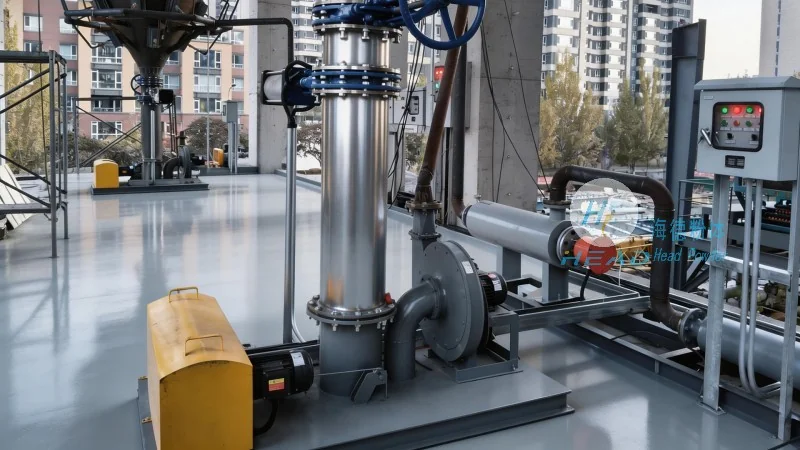
Pneumatic transport systems are widely used in the fine chemical industry due to their ability to handle powders with high moisture content or those that are prone to caking. These systems operate by using compressed air to create a flow of material through a pipeline. The basic principle involves generating a negative pressure (suction) at the inlet to draw the powder into the system, followed by a positive pressure (blowing) to move the material through the pipeline to the discharge point. The design of the system, including the size of the air nozzles, the length of the pipeline, and the air pressure, is carefully calculated to ensure efficient and low-energy transport.
In a typical pneumatic system, the powder is first introduced into a hopper equipped with a rotary valve or a star feeder. The feeder controls the rate of powder discharge, which is then mixed with the compressed air in a venturi or a mixing chamber. The air-powder mixture travels through the pipeline, where the velocity of the air is maintained above the minimum fluidization velocity to keep the powder in suspension. At the discharge end, the air is separated from the powder using a cyclone separator or a filter, and the clean air is either vented to the atmosphere or recycled back into the system to reduce energy consumption.
HeadPowder’s pneumatic transport systems are designed with features such as variable speed drives and adjustable air pressure controls to adapt to different powder characteristics. For example, in handling fine powders that are prone to agglomeration, the system may include a fluidization zone where the air is introduced at a lower velocity to prevent particle sticking, ensuring smooth transport without blockages.
Structural Design Considerations for Fine Chemical Applications
When designing equipment for fine chemicals, several factors must be considered to ensure the product remains pure and the equipment operates reliably. One of the primary considerations is material compatibility. The internal components of the equipment, such as hoppers, conveyors, and valves, must be made from materials that do not react with the powder or introduce contaminants. Stainless steel, PTFE, and food-grade plastics are common choices, selected based on the chemical properties of the fine chemical being handled.
Another critical aspect is hygiene and cleanliness. Fine chemical processing often requires equipment that can be easily cleaned and sanitized to prevent cross-contamination between batches. HeadPowder’s equipment incorporates smooth, non-porous surfaces and easy-to-disassemble components, allowing for thorough cleaning with solvents or steam. The design also includes features like self-cleaning mechanisms and minimal dead zones where powder can accumulate, reducing the risk of contamination.
The mechanical integrity of the equipment is also paramount. Fine chemicals may have high abrasiveness or may be transported at high velocities, which can cause wear on the conveying components. HeadPowder’s equipment is engineered with wear-resistant materials and features such as reinforced liners and adjustable clearance to minimize wear and extend the service life of the components. Additionally, the structural design ensures that the equipment can withstand the pressure and temperature variations associated with the processing of fine chemicals.
Applications in the Fine Chemical Industry
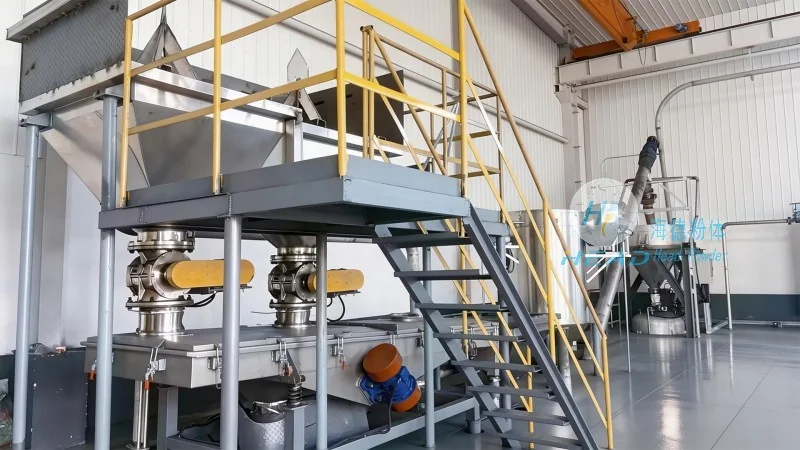
The equipment described above is widely used in various applications within the fine chemical industry, including pharmaceuticals, agrochemicals, and specialty chemicals. In pharmaceutical manufacturing, for example, the handling of active pharmaceutical ingredients (APIs) requires equipment that maintains the highest level of purity and prevents contamination. HeadPowder’s systems are often used to transport APIs from storage to mixing or granulation units, with features such as closed-loop systems and sterile air filtration to ensure compliance with regulatory standards.
In the agrochemical sector, the equipment is used to handle herbicides, insecticides, and other crop protection products. These powders often have high moisture content and may be sensitive to moisture, so the pneumatic transport systems with moisture-resistant components are preferred. The equipment also helps in reducing dust exposure for operators, improving workplace safety.
In specialty chemicals, such as pigments and dyes, the equipment is used to transport fine powders with specific particle size distributions. The ability to control the flow rate and particle size ensures that the final product meets the required specifications. HeadPowder’s systems are designed to handle these materials with precision, minimizing the risk of particle size variation or agglomeration.