

Calcium Carbonate Powder Pneumatic Conveying Technology: Principles, Applications, and Development Trends
HeadPowder, a leading enterprise in the field of material handling solutions, specializes in the development and application of pneumatic conveying systems for calcium carbonate powder. This article provides an in-depth exploration of the principles, practical applications, and future trends of this technology, highlighting the company's expertise and commitment to efficient material transport solutions.
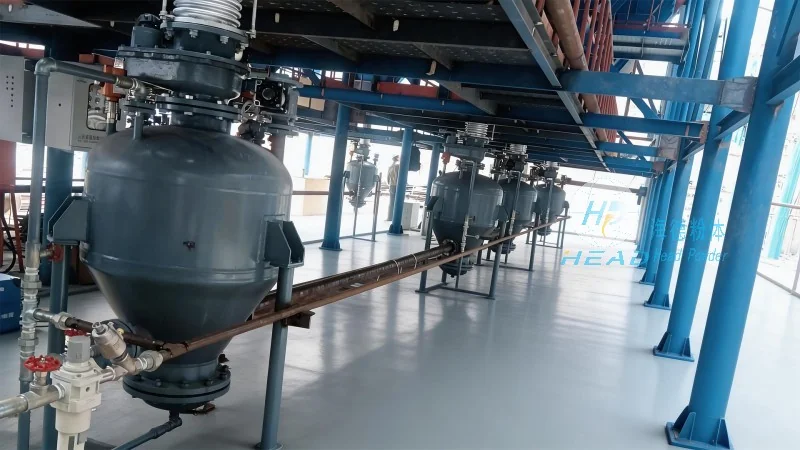
Introduction to Pneumatic Conveying Technology for Calcium Carbonate Powder
Pneumatic conveying is a method of transporting bulk materials, such as calcium carbonate powder, through a pipeline using air or other gases. This technology offers several advantages over traditional mechanical conveying systems, including reduced equipment wear, lower maintenance costs, and the ability to handle materials that are dusty or have a tendency to agglomerate. The core principle involves creating a pressure differential within the pipeline to move the powder from the source to the destination. HeadPowder's systems are designed to optimize this process, ensuring reliable and efficient transport of calcium carbonate powder in various industrial settings.
Principles of Pneumatic Conveying Systems
The fundamental principles of pneumatic conveying for calcium carbonate powder involve the use of air flow to suspend and transport the powder particles. There are two main types of pneumatic conveying systems: pressure and vacuum. Pressure systems operate by blowing air into the pipeline under positive pressure, while vacuum systems use a vacuum pump to draw material into the pipeline. The choice between these systems depends on factors such as the distance of transport, the volume of material to be moved, and the specific characteristics of the calcium carbonate powder, including its particle size, density, and flowability. HeadPowder engineers carefully select the appropriate system type and design parameters to ensure optimal performance and minimal energy consumption.
Key Components of Pneumatic Conveying Systems
Effective pneumatic conveying systems for calcium carbonate powder rely on several critical components. These include the material feed hopper, which ensures a consistent and controlled flow of powder into the system; the air compressor or vacuum pump, which provides the necessary pressure or vacuum to move the material; the conveying pipeline, which is typically made of durable materials like stainless steel to withstand the abrasive nature of calcium carbonate; and the discharge equipment, such as rotary valves or cyclones, which separate the powder from the air at the destination. HeadPowder's systems are equipped with advanced control systems that monitor and adjust these components in real-time, ensuring stable operation and preventing issues like blockages or material degradation.
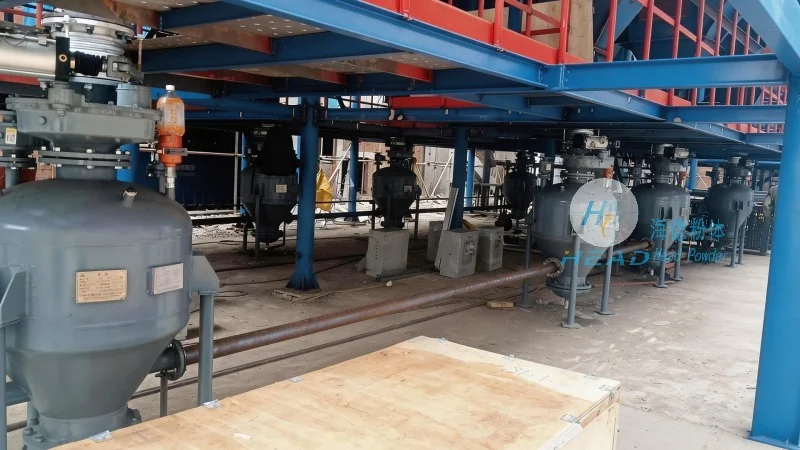
Applications of Pneumatic Conveying in Calcium Carbonate Processing
The applications of pneumatic conveying technology for calcium carbonate powder are widespread across various industries. In the paper and packaging industry, calcium carbonate is used as a filler and coating material, and pneumatic conveying systems efficiently transport it from storage silos to production lines. In the plastics industry, calcium carbonate is added to polymer resins to improve mechanical properties, and the technology ensures precise dosing and mixing. Additionally, in the construction industry, calcium carbonate is used as a raw material for cement and concrete, and pneumatic conveying facilitates the transport of large quantities of powder from quarries to processing plants. HeadPowder's systems are tailored to meet the specific requirements of each application, providing customized solutions that enhance productivity and reduce operational costs.
Advantages of Pneumatic Conveying for Calcium Carbonate Powder
Compared to traditional mechanical conveying methods, pneumatic conveying offers several key advantages for calcium carbonate powder. One of the most significant benefits is the reduction in material degradation, as the powder is not subjected to high friction or impact during transport. This is particularly important for calcium carbonate, which can be sensitive to particle breakage. Additionally, pneumatic conveying systems are more hygienic and easier to clean, making them suitable for food and pharmaceutical applications where calcium carbonate is used as an additive. The technology also allows for the integration of dust collection systems, ensuring compliance with environmental regulations and maintaining a safe working environment. HeadPowder's systems are designed to maximize these advantages, providing reliable and efficient transport solutions that meet the highest standards of quality and safety.
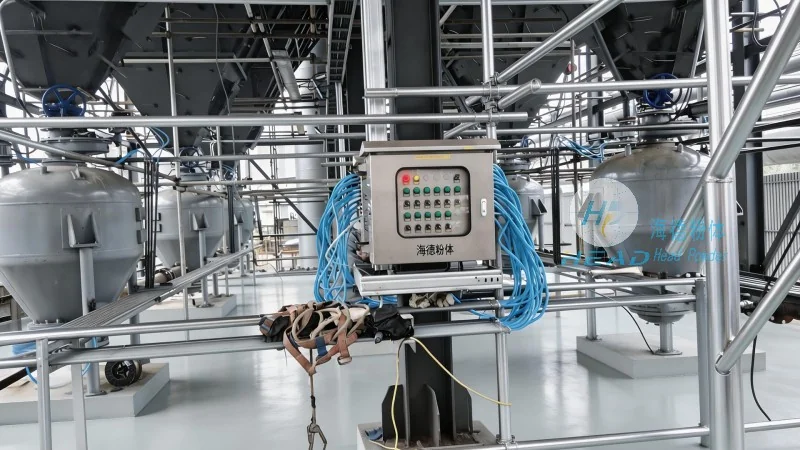
Challenges and Solutions in Pneumatic Conveying
Despite its benefits, pneumatic conveying of calcium carbonate powder can present challenges, such as blockages in the pipeline or variations in material flow due to changes in particle size or moisture content. HeadPowder addresses these challenges through advanced system design and maintenance protocols. For example, the use of flexible hoses and adjustable air flow rates helps prevent blockages, while moisture sensors and dehumidification systems maintain consistent material properties. The company also provides regular maintenance services to ensure that the systems operate at peak efficiency, minimizing downtime and maximizing productivity. By addressing these challenges proactively, HeadPowder ensures that its clients can rely on consistent and reliable pneumatic conveying solutions for their calcium carbonate powder transport needs.
Future Trends in Pneumatic Conveying Technology
As technology advances, the future of pneumatic conveying for calcium carbonate powder is likely to involve further automation and integration with other industrial processes. HeadPowder is at the forefront of developing smart conveying systems that use sensors and data analytics to optimize performance and predict maintenance needs. These systems can provide real-time monitoring of material flow rates, pressure differentials, and energy consumption, allowing for data-driven decisions that enhance operational efficiency. Additionally, the integration of artificial intelligence and machine learning is expected to improve the predictive capabilities of these systems, enabling proactive maintenance and reducing the risk of unexpected failures. The trend towards more sustainable and energy-efficient solutions is also shaping the development of pneumatic conveying technology, with companies like HeadPowder focusing on reducing energy consumption and minimizing environmental impact. By embracing these future trends, HeadPowder is positioned to provide cutting-edge solutions that meet the evolving needs of the calcium carbonate industry.
Conclusion
In conclusion, pneumatic conveying technology plays a crucial role in the efficient and reliable transport of calcium carbonate powder. HeadPowder's expertise in designing and implementing customized pneumatic conveying systems ensures that clients can benefit from the advantages of this technology, including reduced wear and tear, lower maintenance costs, and improved material handling efficiency. As the industry continues to evolve, HeadPowder remains committed to innovation and excellence, providing solutions that meet the highest standards of performance and sustainability. With its headquarters in Shandong, China, HeadPowder continues to serve clients worldwide with advanced material handling solutions tailored to their specific needs.