

[Dry Flue Gas Desulfurization Ash Pneumatic Conveying Technology: Principles, Applications, and Development Trends]
Flue gas desulfurization (FGD) is a critical process in power plants and industrial facilities to reduce sulfur dioxide emissions. The byproduct of this process is desulfurization ash, which needs to be transported efficiently and safely. Pneumatic conveying technology offers a reliable solution for handling this material, and the dry method of ash transport has gained significant attention due to its advantages over traditional wet or mechanical methods. This article explores the principles, applications, and future trends of dry FGD ash pneumatic conveying technology, with a focus on the expertise of Shandong HeadPowder Engineering Co., Ltd., a leading provider in this field.

Principles of Dry FGD Ash Pneumatic Conveying
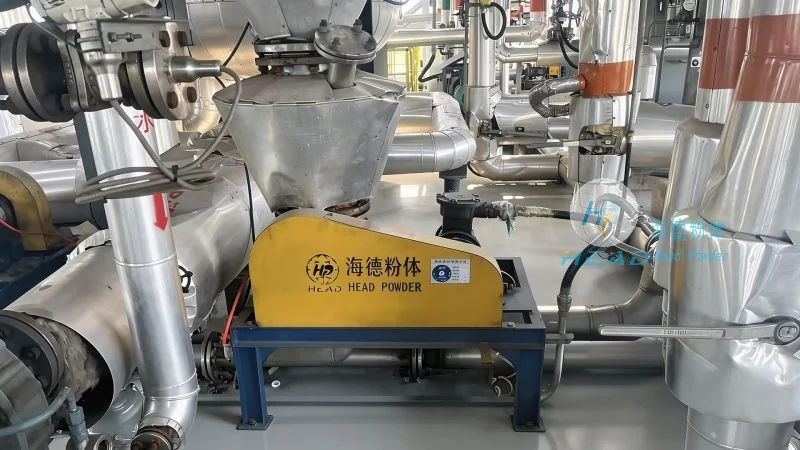
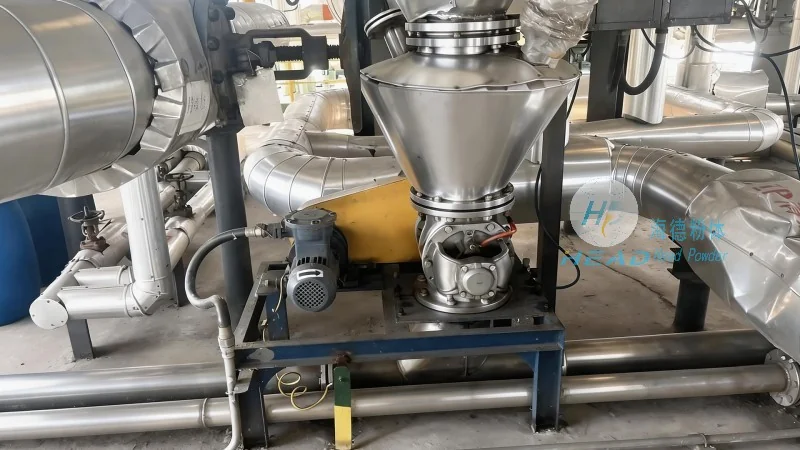
The core principle of dry pneumatic conveying for FGD ash involves the use of air as the conveying medium to transport dry powder materials through a pipeline system. Unlike wet ash handling, which involves mixing ash with water and transporting it as a slurry, dry conveying maintains the ash in its solid state, reducing moisture content and improving material handling efficiency. The process typically includes several key components: a material feeder to introduce ash into the pipeline, a blower or air compressor to generate the necessary air pressure, a pipeline network to transport the ash, and a discharge system to deliver the material to its destination. The selection of conveying velocity, air volume, and pipeline diameter is crucial for ensuring stable and efficient transport. The technology relies on the balance between air velocity and particle size to prevent blockages and maintain consistent flow rates. Shandong HeadPowder Engineering Co., Ltd. specializes in designing and implementing such systems, ensuring optimal performance based on the specific characteristics of the FGD ash, such as particle size distribution, moisture content, and bulk density.
Applications in Industrial Settings
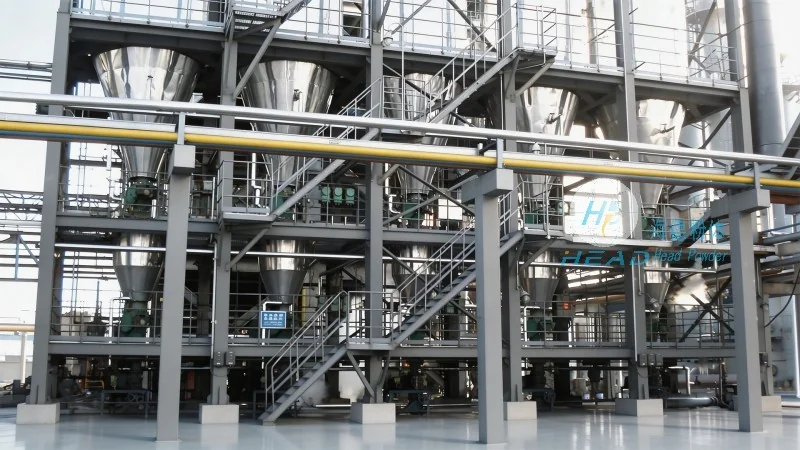
Dry FGD ash pneumatic conveying is widely applied in various industrial sectors where FGD systems are installed. In power plants, this technology is used to transport ash from the desulfurization unit to storage silos, landfills, or recycling facilities. The ability to handle large volumes of ash over long distances makes it suitable for both on-site and off-site disposal or utilization. Industrial facilities, such as chemical plants and steel mills, also benefit from this technology when integrating FGD systems into their operations. The dry conveying method reduces the need for water treatment and minimizes the risk of environmental contamination compared to wet ash handling. Additionally, it enables the recovery of valuable components from the ash, such as calcium sulfate, which can be used in construction materials or other industrial applications. Shandong HeadPowder Engineering Co., Ltd. has successfully implemented dry ash conveying systems in numerous power plants and industrial complexes across China, demonstrating the technology's effectiveness in real-world scenarios.
Advantages and Challenges
Compared to traditional methods, dry FGD ash pneumatic conveying offers several advantages. It eliminates the need for water treatment and reduces the volume of waste water generated, contributing to environmental sustainability. The dry process also minimizes the risk of corrosion and blockages in the pipeline system, as the ash particles are less likely to adhere to the pipe walls. Furthermore, the technology allows for more flexible and compact layouts, as the pipeline can be installed in various configurations without the need for large storage tanks or pumps. However, there are also challenges associated with dry ash conveying. The high moisture content of some FGD ashes can lead to clumping and blockages, requiring pre-drying or conditioning of the material before transport. The selection of appropriate air velocity and pressure is critical to prevent material degradation or loss of product quality. Shandong HeadPowder Engineering Co., Ltd. addresses these challenges through advanced material handling solutions, including moisture control systems and customized pipeline designs tailored to the specific ash characteristics.
Technological Developments and Future Trends
The field of dry FGD ash pneumatic conveying is continuously evolving, driven by advancements in material handling technology and increasing environmental regulations. One of the key developments is the integration of automation and control systems, which enhance the efficiency and reliability of the conveying process. Smart sensors and monitoring systems are used to track ash flow rates, detect blockages, and adjust air pressure in real-time, ensuring optimal performance. Another trend is the use of high-efficiency blowers and compressors, which reduce energy consumption and operating costs. The adoption of sustainable materials and energy-efficient designs is also becoming more prevalent, aligning with global efforts to reduce carbon emissions. Shandong HeadPowder Engineering Co., Ltd. is at the forefront of these technological advancements, investing in research and development to improve the performance and sustainability of dry ash conveying systems. The company's commitment to innovation ensures that its solutions remain competitive and effective in meeting the evolving needs of the industry.