

Petroleum Coke Pneumatic Conveying Design Calculation and Equipment Selection
When it comes to the efficient and reliable transport of petroleum coke, pneumatic conveying systems offer a superior solution. As a leading engineering company, Shandong HeadPowder Engineering Co., Ltd. specializes in the design, calculation, and selection of equipment tailored to the unique requirements of petroleum coke handling applications. This article provides a comprehensive overview of the key considerations involved in designing and selecting the right pneumatic conveying system for petroleum coke, ensuring optimal performance and operational efficiency.
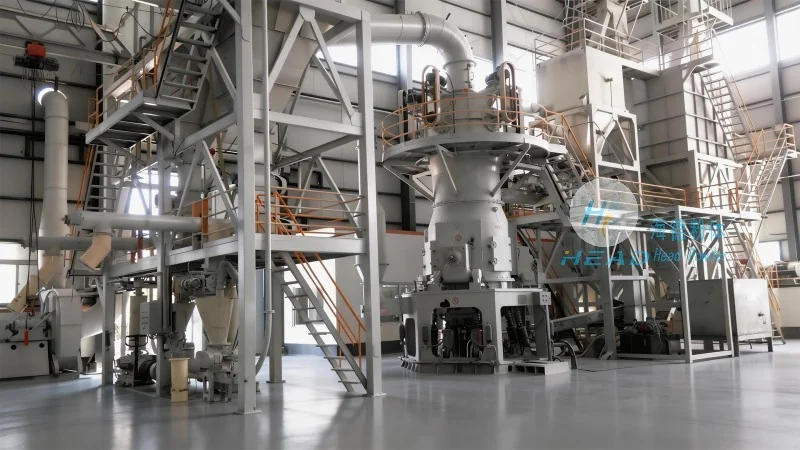
Understanding Petroleum Coke and Its Handling Challenges
Petroleum coke, a solid residue from the coking process in oil refineries, presents unique handling challenges due to its physical properties. Characterized by a high bulk density (typically 1.8 to 2.0 g/cm³), abrasive surface, and irregular particle size distribution ranging from fine powders to coarse lumps, petroleum coke is difficult to transport using conventional methods like belt or screw conveyors. These properties increase the risk of equipment wear, blockages, and material degradation, leading to operational inefficiencies and increased maintenance costs. Pneumatic conveying systems, which utilize air or other gases to move materials through a closed pipeline, offer an effective solution by minimizing direct contact between the material and equipment components, thereby reducing wear and ensuring consistent flow.
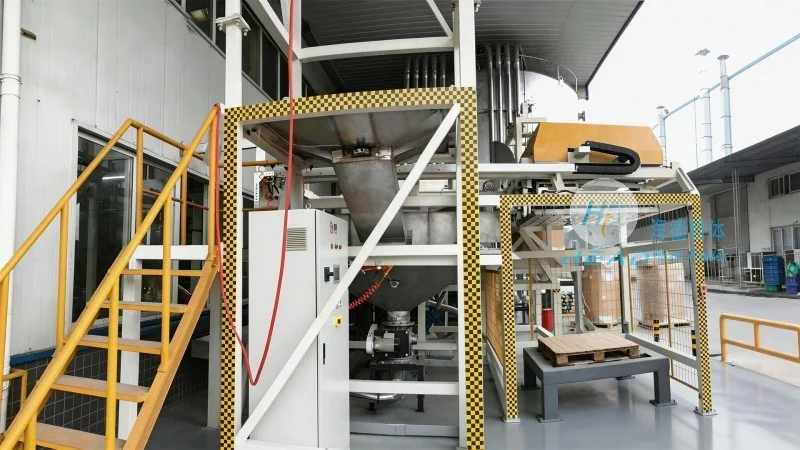
Key Design Considerations for Petroleum Coke Pneumatic Conveying
The successful design of a petroleum coke pneumatic conveying system requires careful consideration of several critical factors. First, the material's physical properties, including density, particle size, moisture content, and flowability, must be accurately characterized. These parameters influence the selection of the conveying velocity, pipeline diameter, and air flow rate. Second, the system's operating pressure and flow rate need to be determined based on the distance and elevation changes between the source and destination points, as well as the required material throughput. Third, the choice of equipment, such as the feeder, air pump, and separator, must be matched to the specific characteristics of the petroleum coke and the system's overall performance requirements. For instance, high-capacity feeders like rotary valves or star feeders are preferred to maintain consistent material flow and prevent blockages, while air pumps are selected based on the required air volume and pressure to achieve the desired conveying velocity.
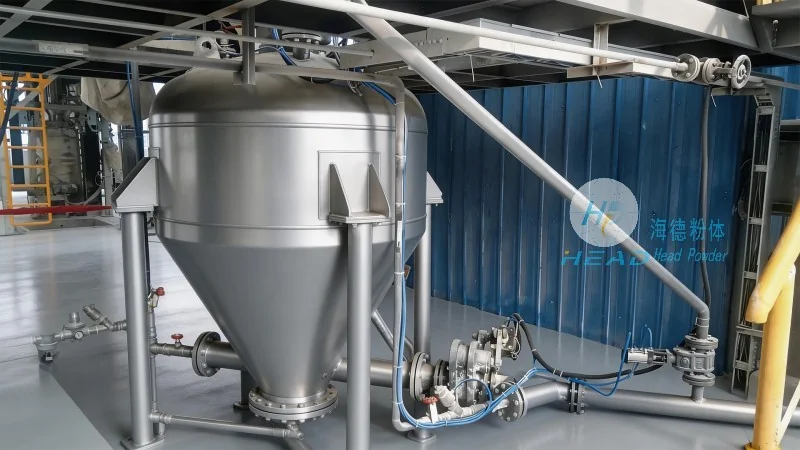
Equipment Selection for Petroleum Coke Pneumatic Conveying
Shandong HeadPowder Engineering Co., Ltd. offers a range of specialized equipment for petroleum coke pneumatic conveying, ensuring optimal performance and durability. The company's expertise in material handling engineering allows for the selection of the most suitable equipment for each application. For example, the use of high-efficiency rotary feeders minimizes material degradation and ensures smooth material transfer from the storage silo to the conveying line. The selection of air pumps, including positive displacement blowers or centrifugal fans, is based on the calculated air flow rate and pressure drop across the system. Additionally, the integration of efficient dust collectors and cyclone separators helps maintain system cleanliness and compliance with environmental regulations by capturing fine particles and preventing dust emissions. The company's equipment selection process also considers factors such as system reliability, maintenance requirements, and long-term operational costs to provide clients with a sustainable solution.
Design Calculation Process for Petroleum Coke Pneumatic Conveying Systems
The design calculation process involves several systematic steps to ensure the system meets the operational requirements. First, the material's flow rate and particle size distribution are determined based on the production capacity and handling needs of the facility. This information is used to calculate the required conveying velocity, which is typically higher than the minimum fluidization velocity to prevent material settling in the pipeline. Second, the pipeline diameter is selected based on the air flow rate and pressure drop calculations, considering factors like the material's density and the system's pressure constraints. Third, the air pump and feeder specifications are determined by matching the system's air volume and pressure requirements with the equipment's performance curves. Fourth, the system's performance is verified through simulations and testing, including pressure drop analysis and material flow modeling, to ensure it meets the required standards and operates within safe limits. The design team at Shandong HeadPowder Engineering Co., Ltd. uses advanced software tools and industry best practices to perform these calculations accurately and efficiently.
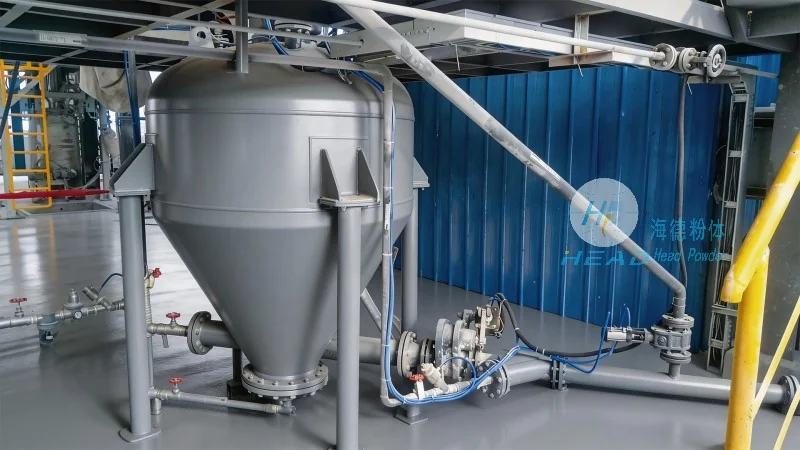
Benefits of Professional Design and Equipment Selection
Choosing the right pneumatic conveying system for petroleum coke handling offers numerous benefits that enhance operational performance and reduce costs. The use of a well-designed system reduces equipment wear and maintenance costs by minimizing abrasive contact between the material and equipment components. It also increases operational efficiency by ensuring consistent material flow and reducing downtime caused by blockages or equipment failures. Additionally, the system's flexibility allows for easy integration with existing facilities and the ability to handle varying production rates without significant modifications. Shandong HeadPowder Engineering Co., Ltd.'s expertise in material handling engineering ensures that clients receive a customized solution that meets their specific needs and delivers long-term value. The company's commitment to quality and customer satisfaction is reflected in the reliable performance of its designed systems, which have been successfully implemented in various industrial applications across China.