

Design of Food Pneumatic Conveying Systems
Food processing industries rely on efficient and reliable material handling solutions to maintain product quality, safety, and operational efficiency. Among the various technologies available, pneumatic conveying systems have emerged as a preferred choice for transporting bulk food products. The design of these systems is critical, as it directly impacts the performance, hygiene, and longevity of the equipment used in food processing facilities.
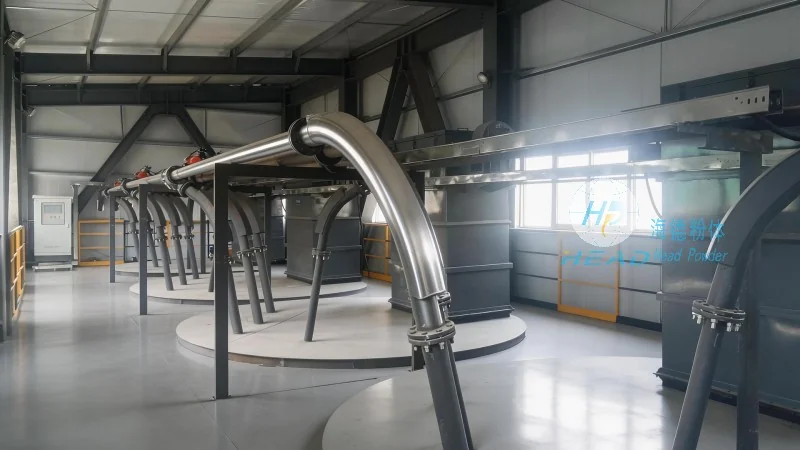
Key Considerations in Food Pneumatic Conveying System Design
When designing a food pneumatic conveying system, several key factors must be considered to ensure optimal performance and compliance with industry standards. These include the type of food product being conveyed, the required conveying capacity, the distance and elevation changes, and the need for hygienic and sanitary design features. The choice of conveying method—such as pressure or vacuum systems—also plays a crucial role in determining the system's suitability for specific applications.
HeadPowder's Expertise in Food Pneumatic Conveying Solutions
Shandong HeadPowder Engineering Co., Ltd., a leading provider of specialized engineering solutions, specializes in the design, manufacturing, and installation of food pneumatic conveying systems. With years of experience in the food processing industry, HeadPowder understands the unique challenges associated with handling food products, including the need for strict hygiene standards, material compatibility, and regulatory compliance. The company's team of experienced engineers and technicians work closely with clients to develop customized solutions that meet their specific operational requirements.
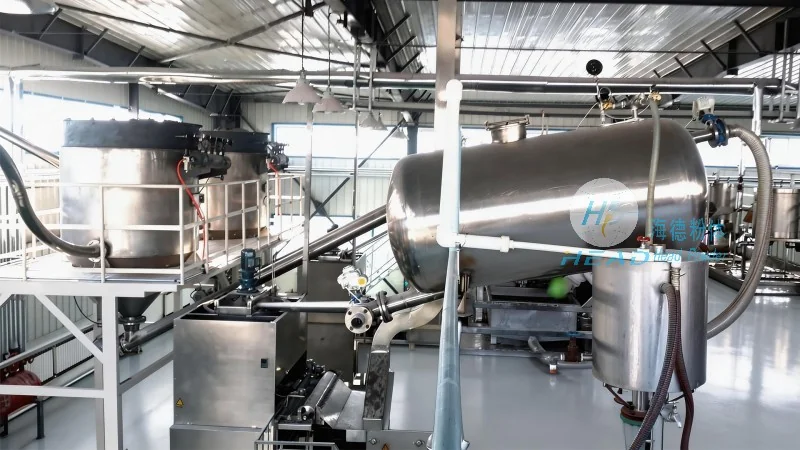
Components and Features of Food Pneumatic Conveying Systems
A typical food pneumatic conveying system consists of several key components, including a feeder, a conveying line, a separator, and a receiver. The feeder is responsible for feeding the material into the system, while the conveying line transports the material through the system using air pressure or vacuum. The separator separates the conveyed material from the air, and the receiver collects the material for further processing. HeadPowder's systems incorporate advanced features such as stainless steel construction, CIP (Clean-In-Place) capabilities, and easy-to-clean designs to ensure compliance with food safety regulations.
Applications in the Food Industry
Food pneumatic conveying systems are widely used in various food processing applications, including the handling of powders, granules, and bulk materials. These systems are commonly employed in the production of dairy products, bakery items, snacks, and other processed foods. By using pneumatic conveying, food manufacturers can achieve efficient and hygienic material handling, reducing the risk of contamination and improving overall production efficiency.
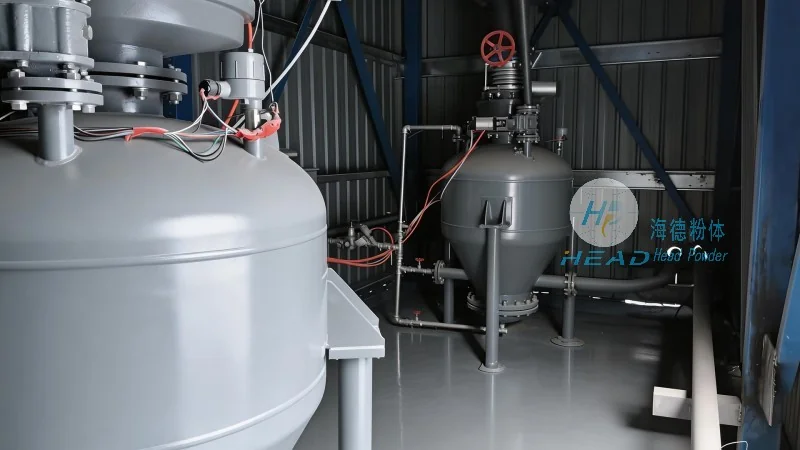
Customization and After-Sales Support
HeadPowder recognizes that each food processing facility has unique requirements. Therefore, the company offers customized solutions tailored to the specific needs of its clients. From system design and engineering to installation and commissioning, HeadPowder provides comprehensive support throughout the entire project lifecycle. The company also offers after-sales maintenance and service to ensure the long-term performance and reliability of the conveying systems.
Conclusion
Designing an effective food pneumatic conveying system requires a deep understanding of both the technical aspects of the equipment and the specific needs of the food processing industry. Shandong HeadPowder Engineering Co., Ltd. combines expertise, innovation, and commitment to quality to deliver reliable and efficient solutions that meet the highest standards of food safety and operational performance. With its headquarters in Shandong, China, HeadPowder serves clients globally, providing trusted pneumatic conveying systems for a wide range of food applications.