

Introduction to PVC Powder Conveying Systems: Structure and Working Principles
For industrial applications involving the handling of PVC (Polyvinyl Chloride) powders, efficient and reliable conveying systems are essential to ensure smooth production processes. This article provides an overview of PVC powder conveying systems, focusing on their structural design and operational principles. The systems are engineered to handle the unique properties of PVC powders, such as their fine particle size, hygroscopic nature, and potential for static charge accumulation, ensuring safe and effective material transport.
Key Components and Structural Design of PVC Powder Conveying Systems
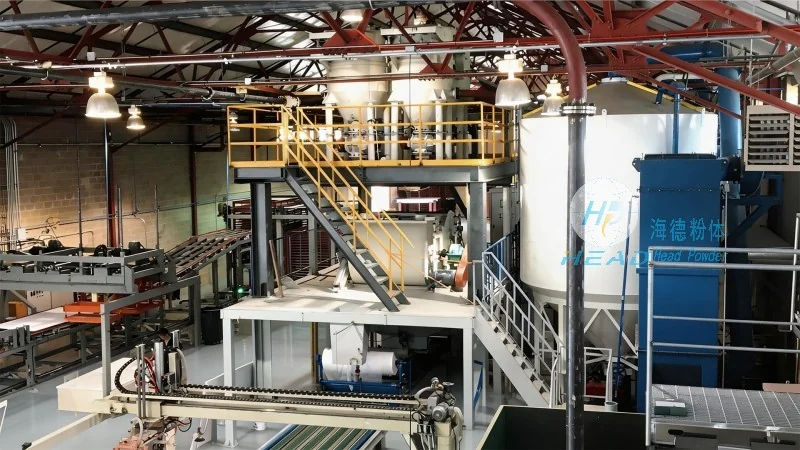
PVC powder conveying systems typically consist of several critical components that work in tandem to achieve optimal performance. The primary components include a hopper for material storage, a feeder to control the flow rate, a conveyor (often a pneumatic or mechanical type), and a discharge mechanism. The structural design is tailored to minimize material degradation and prevent blockages, which are common issues with PVC powders due to their cohesive properties.
The hopper is designed with a conical or rectangular shape to facilitate uniform material flow. It is equipped with a discharge valve or gate that can be adjusted to regulate the feed rate. The feeder, usually a rotary or vibratory type, ensures a consistent and controlled flow of PVC powder into the conveyor. The conveyor itself may be pneumatic, using air pressure to move the powder, or mechanical, such as a screw or belt conveyor. Pneumatic systems are particularly effective for PVC powders as they reduce the risk of material contamination and static buildup.
Working Principles of PVC Powder Conveying Systems
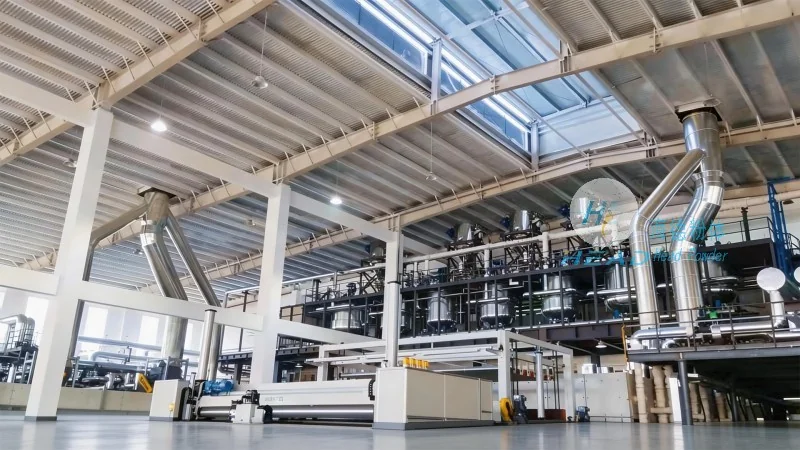
The operational principle of PVC powder conveying systems revolves around the movement of material from the hopper to the discharge point. In pneumatic systems, compressed air is used to create a flow of air and powder through a pipeline. The air velocity is carefully controlled to maintain a consistent flow rate and prevent particle separation or clogging. Mechanical systems, on the other hand, rely on the rotation of a screw or the movement of a belt to transport the powder. Both systems are designed to handle the hygroscopic nature of PVC powders, which can absorb moisture from the air, potentially affecting their properties.
Static charge management is another critical aspect of PVC powder conveying. PVC powders are prone to generating static electricity, which can lead to material accumulation on surfaces or cause sparks. Conveying systems are equipped with grounding mechanisms and anti-static additives to mitigate these risks. Additionally, the design of the components, such as smooth surfaces and rounded corners, helps to reduce friction and minimize static buildup.
Applications and Benefits of PVC Powder Conveying Systems
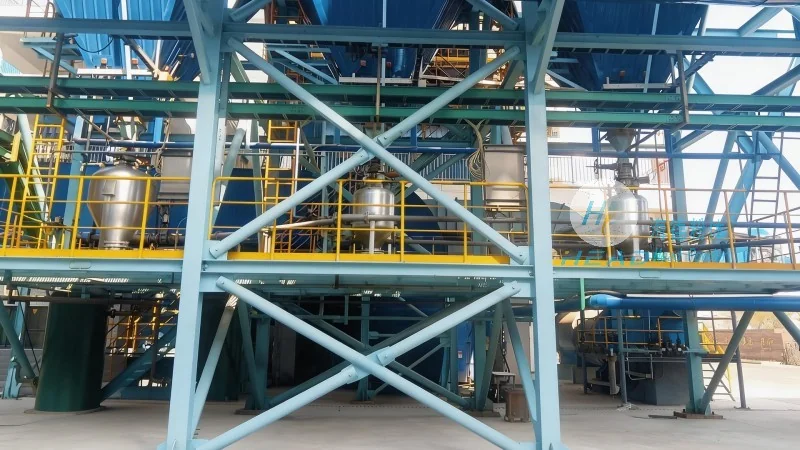
PVC powder conveying systems are widely used in various industries, including manufacturing, construction, and chemical processing. They are particularly valuable in applications where PVC powders need to be transported over long distances or integrated into production lines. The benefits of these systems include improved material handling efficiency, reduced labor costs, and enhanced safety due to the controlled and contained nature of the conveying process.
By ensuring consistent flow rates and minimizing material degradation, PVC powder conveying systems contribute to higher product quality and reduced waste. The ability to handle hygroscopic and static-prone materials makes these systems essential for industries that rely on PVC for manufacturing products like pipes, flooring, and coatings.
About Shandong HeadPowder Engineering Co., Ltd.
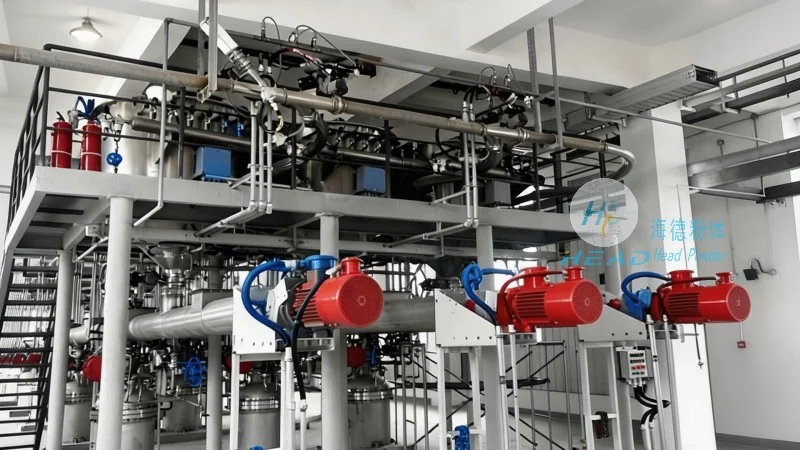
Shandong HeadPowder Engineering Co., Ltd., operating under the brand name headpowder, is a leading provider of specialized engineering solutions for powder handling and conveying systems. With a focus on innovation and customer-centric design, the company has developed advanced technologies to address the unique challenges of handling PVC powders and other fine materials. HeadPowder's expertise lies in designing and manufacturing systems that are efficient, reliable, and tailored to meet the specific needs of industrial applications.
HeadPowder's facilities are located in Shandong, China, where the company leverages local resources and expertise to deliver high-quality products and services. The company's commitment to quality and customer satisfaction has earned it a reputation as a trusted partner in the powder handling industry. By combining technical expertise with practical application knowledge, HeadPowder continues to advance the standards of PVC powder conveying systems and support the growth of industries that rely on these materials.