

Introduction to Equipment and Structural Principles of Pulverized Fly Ash Particle Pneumatic Conveyi
For industrial applications involving the handling of pulverized fly ash, efficient and reliable material transport is crucial. Pneumatic conveying systems represent a sophisticated solution that addresses the challenges associated with transporting fine particulate materials like fly ash. This article provides an overview of the equipment used in such systems and explains the structural principles that enable their operation.
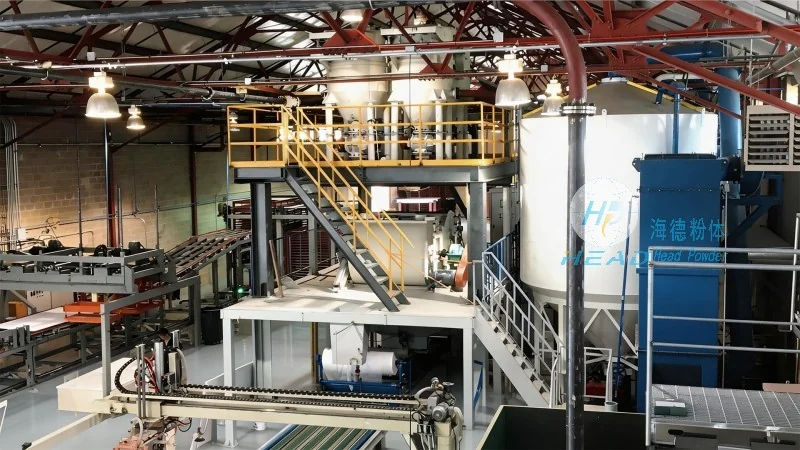
Company Profile: Shandong HeadPowder Engineering Co., Ltd.
Headpowder, the brand under which Shandong HeadPowder Engineering Co., Ltd. operates, specializes in the design, manufacturing, and supply of advanced pneumatic conveying equipment. With a focus on industrial material handling solutions, the company has established itself as a trusted provider in the field. HeadPowder's commitment to quality and innovation ensures that their systems meet the demanding requirements of various industrial sectors, including power generation, construction, and waste management.
Understanding Pneumatic Conveying for Fly Ash
Pulverized fly ash, a byproduct of coal combustion, is a fine, powdery material that poses unique challenges during transportation. Traditional methods like belt conveyors or bucket elevators may not be suitable due to the material's dustiness and potential for caking. Pneumatic conveying systems offer a dust-free, low-maintenance alternative that efficiently transports fly ash from source to destination. These systems utilize air or gas as the conveying medium, allowing for the movement of particles through pipelines without direct contact with mechanical components.
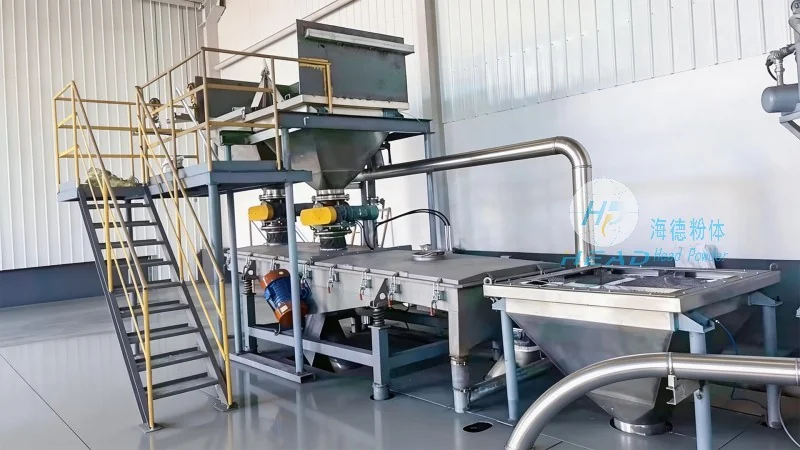
Key Components of Pneumatic Conveying Systems
The effectiveness of a pneumatic conveying system for fly ash depends on several critical components. The primary elements include the material feed hopper, which stores and regulates the flow of fly ash into the system. A rotary valve or feeder is typically used to control the discharge of material from the hopper, ensuring a consistent feed rate. The conveying pipeline, often made of stainless steel or other corrosion-resistant materials, is designed to withstand the abrasive nature of fly ash particles. At the receiving end, a silo or storage tank collects the transported material, while a venturi or pressure vessel may be included to assist in the material's discharge. A blower or compressor provides the necessary air pressure to drive the material through the pipeline, and a filter or dust collector is essential to capture any airborne particles and maintain air quality.
Structural Principles and Operational Mechanisms
The structural principles underlying pneumatic conveying systems for fly ash revolve around the interaction between the conveying medium (air) and the material being transported. There are two main types of pneumatic conveying systems: pressure and vacuum. Pressure systems operate by blowing air into the pipeline under pressure, pushing the material forward. Vacuum systems, on the other hand, create a negative pressure at the receiving end, drawing the material through the pipeline. For fly ash, a pressure system is often preferred due to its ability to handle longer distances and higher material loads. The system's design must account for the specific properties of fly ash, such as particle size distribution, density, and moisture content, to optimize performance and prevent blockages or degradation of the material.
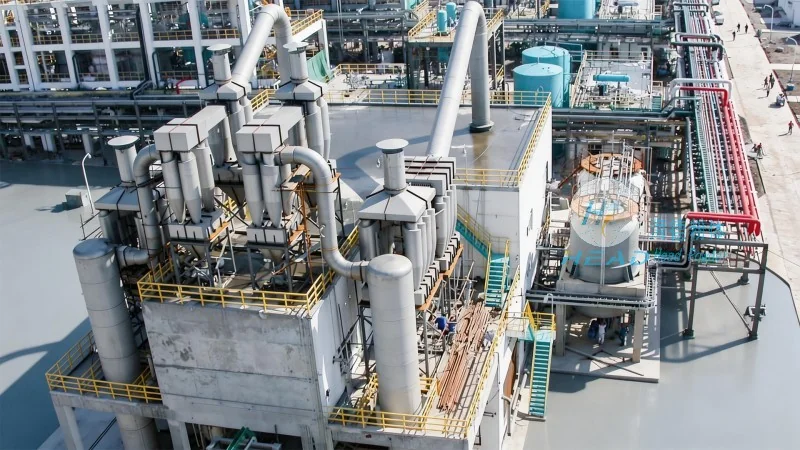
Advantages of Pneumatic Conveying Systems
Implementing a pneumatic conveying system for fly ash offers several advantages over traditional transport methods. Firstly, it provides a dust-free environment, which enhances workplace safety and reduces the risk of respiratory issues for personnel. Secondly, the system is highly efficient in terms of energy consumption and material handling, as it eliminates the need for mechanical components that can wear out or require frequent maintenance. Additionally, pneumatic conveying systems are flexible in terms of layout, allowing for the integration of multiple feed points and receiving stations. This adaptability makes them suitable for various industrial applications, from small-scale processing facilities to large-scale power plants.
Application Examples and Industrial Use Cases
Pneumatic conveying systems for fly ash are widely used in the power generation industry, where they transport ash from boiler furnaces to storage silos. In construction, the material is utilized as a component in concrete and other building materials. Waste management facilities also employ these systems to handle fly ash from incineration processes. The versatility of the system allows it to be adapted to different operational requirements, ensuring that the material is transported safely and efficiently throughout the industrial process. By leveraging the structural principles and components discussed, these systems contribute to the overall efficiency and sustainability of industrial operations.