

Carbon Black Powder Pneumatic Conveying System Equipment Overview and Structural Principle Introduct
Carbon black powder pneumatic conveying systems are critical in industrial processes for the efficient transport of carbon black, a vital material used in sectors like rubber, plastics, and pigments. This article provides an overview of the equipment utilized in these systems, focusing on their structural design and operational principles, while highlighting the expertise of Shandong HeadPowder Engineering Co., Ltd., a leading provider based in China.
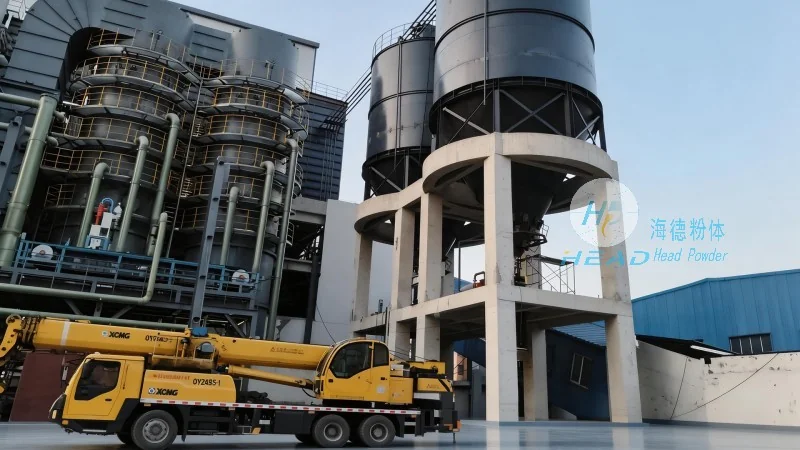
Company Profile: Shandong HeadPowder Engineering Co., Ltd.
HeadPowder, the professional brand under Shandong HeadPowder Engineering Co., Ltd., specializes in the design, manufacturing, and integration of advanced pneumatic conveying solutions. With a strong presence in China, particularly in Shandong province, the company leverages years of industry experience to deliver high-quality equipment tailored to the unique needs of carbon black handling and processing. The company's commitment to innovation and customer satisfaction ensures that clients receive reliable and efficient systems that meet international standards.
Introduction to Carbon Black Powder Pneumatic Conveying Systems
Pneumatic conveying systems utilize air or gas to transport bulk materials such as carbon black powder from one location to another. These systems are preferred over traditional methods like screw conveyors or bucket elevators due to their ability to handle fine powders without the risk of clogging or material degradation. The equipment typically consists of several key components, including a hopper, feeder, air compressor, conveying line, and receiver, each playing a crucial role in the overall operation.
Structural Components and Their Functions
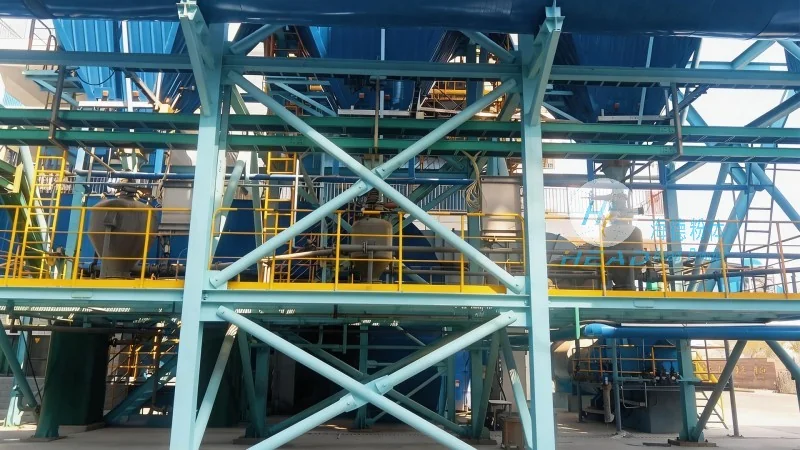
The carbon black powder pneumatic conveying system equipment is engineered with precision to ensure optimal performance. The primary components include:
- Material Hopper: A storage vessel that holds the carbon black powder, allowing for controlled feeding into the system. The hopper is designed with a smooth interior to prevent material buildup and ensure consistent flow.
- Feeder: The feeder regulates the flow of carbon black from the hopper into the conveying line. Common types include rotary valves and screw feeders, which provide precise control over the material discharge rate.
- Air Compressor: This component generates the necessary air pressure to move the carbon black powder through the system. The choice of compressor type (e.g., positive displacement or centrifugal) depends on the system's capacity and the characteristics of the powder being conveyed.
- Conveying Line: The pipeline through which the carbon black powder is transported. It is typically made of materials resistant to corrosion and abrasion, such as stainless steel or special alloys, to withstand the harsh conditions of carbon black handling.
- Receiver: The destination vessel where the carbon black powder is deposited after being conveyed. The receiver is equipped with a dust collection system to minimize environmental impact and ensure safe operation.
Operational Principle of the System
The core principle of pneumatic conveying is the creation of a pressure differential between the hopper and the receiver. When the air compressor operates, it draws air from the hopper and forces it through the conveying line, creating a flow that entrains the carbon black powder particles. The air velocity is maintained at a level sufficient to keep the powder suspended, preventing clogging and ensuring smooth transport. The system can operate in either positive or negative pressure modes, depending on the application requirements and the distance between the source and destination.
Advantages of Carbon Black Powder Pneumatic Conveying Systems
Implementing a carbon black powder pneumatic conveying system offers several advantages over traditional methods. These include:
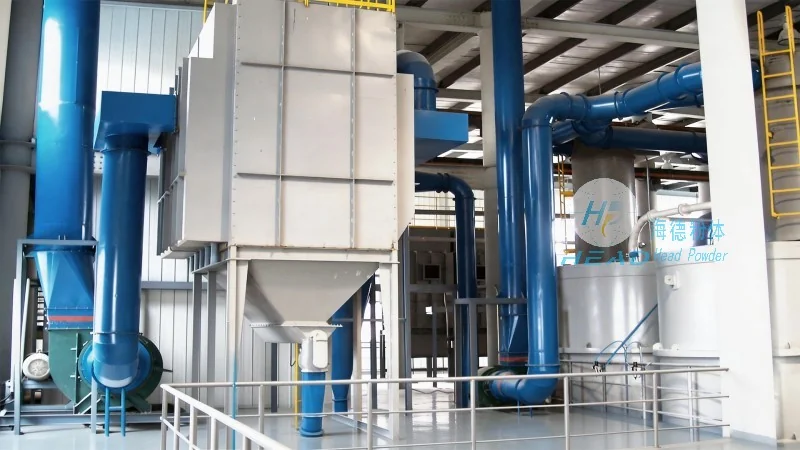
- Efficiency and Speed: The system allows for rapid and continuous transport of large quantities of carbon black, reducing downtime and increasing production throughput.
- Reduced Material Loss: By minimizing material contact with equipment surfaces and avoiding manual handling, the system reduces the risk of contamination and material loss.
- Improved Safety: Pneumatic conveying eliminates the need for manual handling of fine powders, reducing the risk of respiratory issues and other health hazards associated with carbon black exposure.
- Space Efficiency: The compact design of the equipment allows for installation in limited spaces, making it suitable for various industrial settings.
Application Scenarios
Carbon black powder pneumatic conveying systems are widely used in industries that rely on carbon black as a key ingredient. These include:
- Rubber Manufacturing: Carbon black is used as a reinforcing agent in rubber products, and the system ensures efficient delivery to mixing and processing equipment.
- Plastic Industry: In the production of plastic compounds, carbon black is added to enhance UV resistance and mechanical properties, with the conveying system facilitating precise dosing.
- Pigment and Coating Industry: Carbon black is used as a pigment in various coatings and inks, requiring accurate and consistent transport to production lines.
Conclusion
Carbon black powder pneumatic conveying systems represent a sophisticated solution for the efficient handling and transport of carbon black. The structural design and operational principles of these systems, as exemplified by the equipment from Shandong HeadPowder Engineering Co., Ltd., ensure reliable performance and compliance with industry standards. By leveraging advanced engineering and material science, these systems contribute to improved productivity, safety, and environmental sustainability in industrial applications.