

Introduction to the Equipment and Structural Principles of Automatic Blending and Pneumatic Conveyin
HeadPowder, a prominent engineering company headquartered in Shandong, China, specializes in the development and production of advanced automatic blending and pneumatic conveying systems. These systems are engineered to optimize material handling processes across diverse industrial applications, providing reliable solutions for bulk material preparation and transportation.
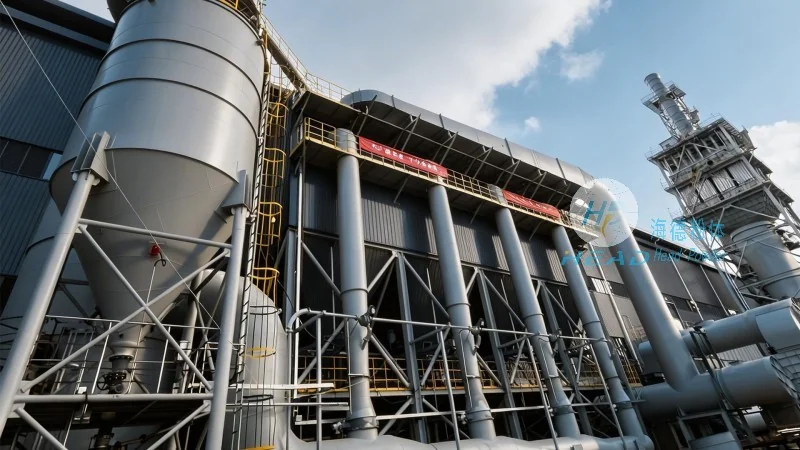
Overview of the Automatic Blending and Pneumatic Conveying System
The automatic blending and pneumatic conveying system is a sophisticated industrial solution designed to streamline the preparation of materials for processing. It integrates cutting-edge control technologies with robust mechanical components to achieve efficient mixing and transportation of bulk solids. The system is versatile, capable of handling a wide array of materials such as powders, granules, and fine particles, making it suitable for industries including pharmaceuticals, food processing, chemical manufacturing, and more.
Key Components and Structural Design
The system consists of several essential components, each contributing to its overall functionality. The blending unit is responsible for achieving precise material ratios, while the pneumatic conveying section facilitates the transport of materials from storage to processing areas. The structural design emphasizes durability and operational efficiency, with components constructed from high-quality, corrosion-resistant materials to ensure long-term reliability and minimal maintenance.
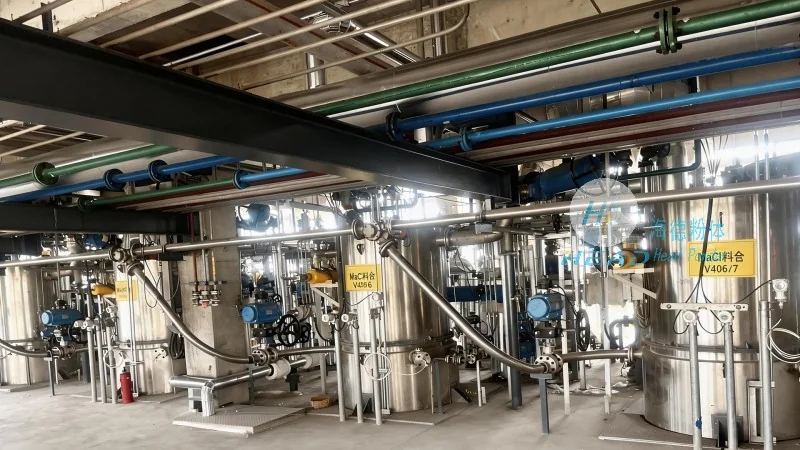
Working Principle of the Pneumatic Conveying System
The pneumatic conveying system operates on the fundamental principle of using air or other gases to transport materials through a pipeline. This process involves creating a pressure differential that propels the material along the pipeline. The system can utilize either positive pressure (where air is forced through the pipeline) or negative pressure (where air is drawn out), depending on the specific requirements of the application. This method offers significant advantages, including the ability to transport materials over long distances, handle sensitive materials without degradation, and maintain a clean, dust-free environment, reducing the risk of contamination.
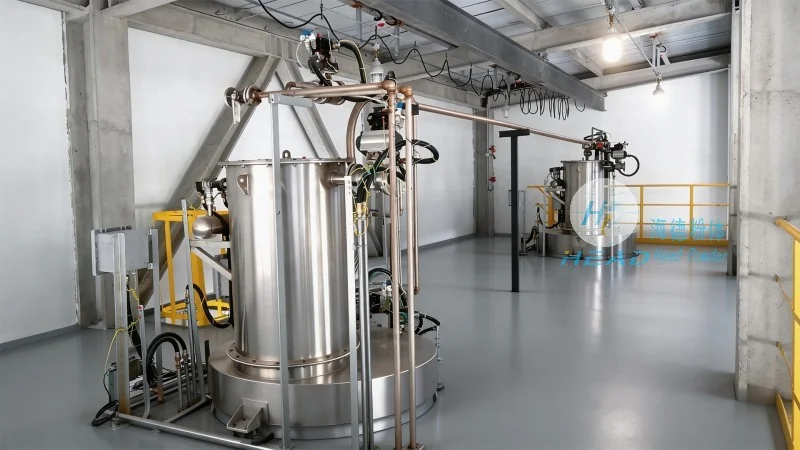
Blending Mechanism and Control System
The blending mechanism within the system ensures accurate and consistent mixing of different ingredients. It employs precise measurement and control technologies, such as load cells and flow meters, to achieve the desired proportion of each component. The control system, often integrated with advanced software, allows for real-time monitoring and adjustment of the blending process. This enables operators to maintain tight control over the final product composition, ensuring that it meets stringent quality standards and regulatory requirements. The system can also be programmed to handle multiple blending recipes, providing flexibility for different production batches.
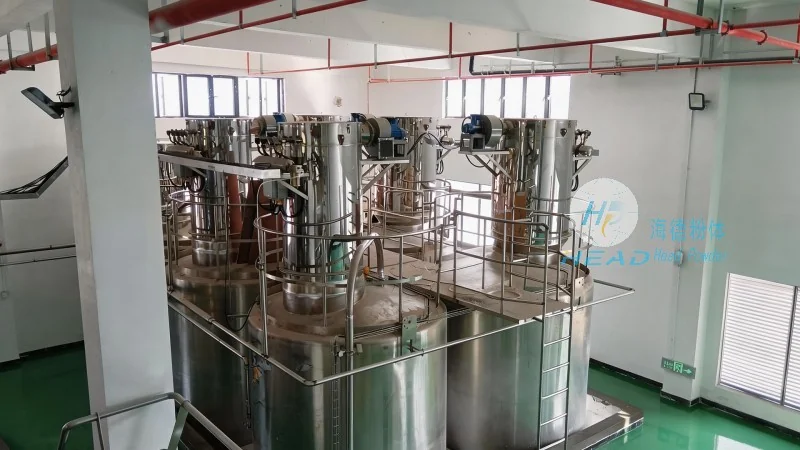
Advantages of the Automatic Blending and Pneumatic Conveying System
Adopting this system offers numerous benefits to industrial operations. It significantly enhances productivity by automating the material handling process, reducing the need for manual labor and minimizing downtime. The automation also improves product consistency by eliminating human error in blending, leading to higher quality output. Additionally, the system reduces material waste and contamination, contributing to a more sustainable and cost-effective production environment. By streamlining the material preparation and transportation stages, the system also helps in reducing overall production costs and improving operational efficiency.
Application Scenarios
The automatic blending and pneumatic conveying system is widely utilized across various sectors due to its adaptability and efficiency. In the pharmaceutical industry, it is crucial for the precise mixing of active pharmaceutical ingredients (APIs) and excipients, ensuring the efficacy and safety of final products. The system's ability to handle sensitive materials without degradation is particularly valuable in this sector. In the food industry, it facilitates the blending of spices, flavors, and other additives, maintaining uniform taste and quality across different batches. In chemical manufacturing, it handles the transport and mixing of raw materials, supporting the production of high-purity chemicals and ensuring compliance with industry standards. The system's versatility also makes it suitable for other applications, such as in the production of cosmetics, where consistent ingredient mixing is essential for product quality.