

Introduction to Glucose Powder Pneumatic Conveying Equipment: Structure and Working Principle
Glucose powder pneumatic conveying equipment is a specialized system designed for the efficient and safe transportation of glucose powder in industrial settings. This equipment plays a crucial role in various sectors, including food processing, pharmaceuticals, and chemical manufacturing, where the handling of fine powders requires precise control and minimal product degradation. The system combines advanced engineering principles with robust construction to ensure reliable performance under diverse operational conditions.
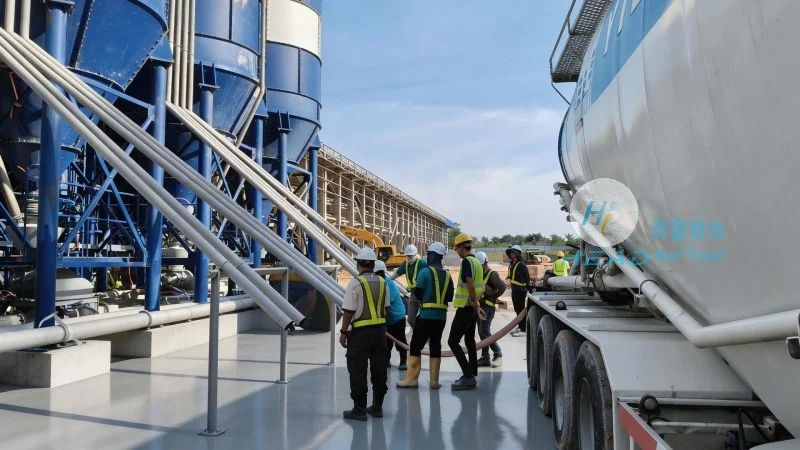
Overview of Glucose Powder Pneumatic Conveying Systems
At the core of glucose powder pneumatic conveying is the ability to transport dry powders through a pipeline using a pressurized air or gas stream. This method eliminates the need for mechanical components like belts or buckets, reducing maintenance costs and minimizing the risk of product contamination. The system typically consists of several key components, including a hopper for material storage, a feeder to control the flow rate, a conveying line, and a receiver for the discharged material. Each component is engineered to work in harmony, ensuring consistent and efficient operation.
Key Components and Their Functions
The hopper serves as the primary storage vessel for glucose powder, providing a large capacity to accommodate bulk material. It is equipped with a discharge valve or feeder mechanism that regulates the flow of powder into the conveying system. The feeder, often a rotary valve or a vibratory feeder, ensures a controlled and steady feed rate, preventing overloading or underfeeding that could affect system performance. The conveying line, usually made of stainless steel or other corrosion-resistant materials, is designed to withstand the pressure and abrasion from the powder and air mixture. The receiver, positioned at the end of the line, collects the conveyed powder and may include a dust collection system to maintain air quality and prevent product loss.
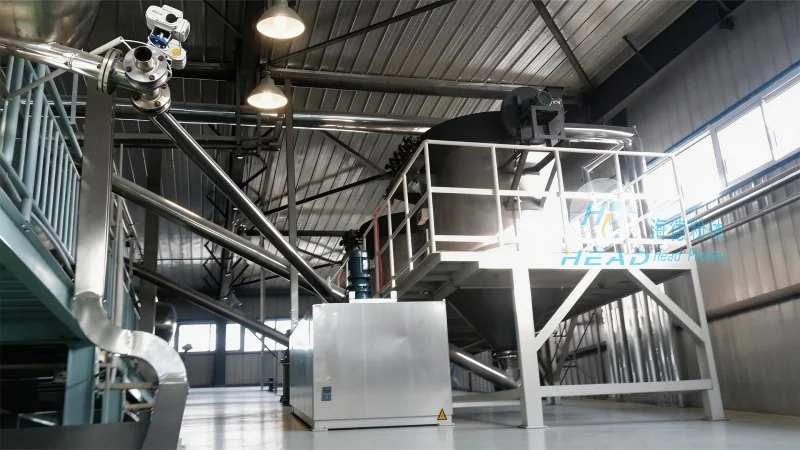
Working Principle of Pneumatic Conveying
The operation of glucose powder pneumatic conveying equipment is based on the principle of fluidization and suspension. When air is introduced into the hopper or feeder at a sufficient velocity, it creates a fluidized bed of powder, allowing individual particles to become suspended in the air stream. This suspension allows the powder to be carried through the pipeline to the receiver. The velocity of the air must be carefully controlled to ensure that the powder particles remain suspended without causing excessive wear on the pipeline or excessive energy consumption. The system may use either positive pressure (where air is pushed through the line) or negative pressure (where air is drawn through the line), depending on the specific application and material characteristics.
Advantages of Using Pneumatic Conveying for Glucose Powder
Implementing pneumatic conveying systems for glucose powder offers several advantages over traditional mechanical conveying methods. Firstly, it reduces the risk of product contamination by eliminating direct contact with mechanical parts. This is particularly important in industries where product purity is critical, such as pharmaceuticals and food processing. Secondly, the system minimizes product degradation by avoiding high shear forces and friction that can occur with mechanical conveyors. Thirdly, pneumatic conveying allows for flexible system design, enabling the integration of multiple feeding and receiving points, which enhances operational efficiency and reduces downtime. Additionally, the system can be easily scaled to accommodate varying production volumes, making it suitable for both small-scale and large-scale operations.
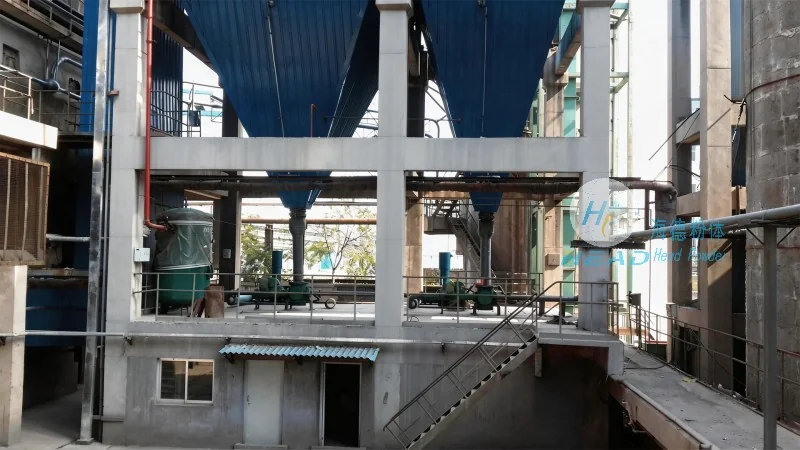
Applications in Industrial Settings
Glucose powder pneumatic conveying equipment is widely used in various industrial applications where the handling of fine powders is essential. In the food industry, it is commonly employed in the production of glucose syrups, where the equipment ensures the consistent and hygienic transfer of glucose powder from storage to processing lines. In the pharmaceutical sector, the system is used for the handling of glucose-based excipients, ensuring that the powder is transferred without any contamination or loss of potency. In chemical manufacturing, it may be used for the transportation of glucose derivatives or other fine chemical powders, where precise control over the conveying process is critical to maintain product quality and safety.
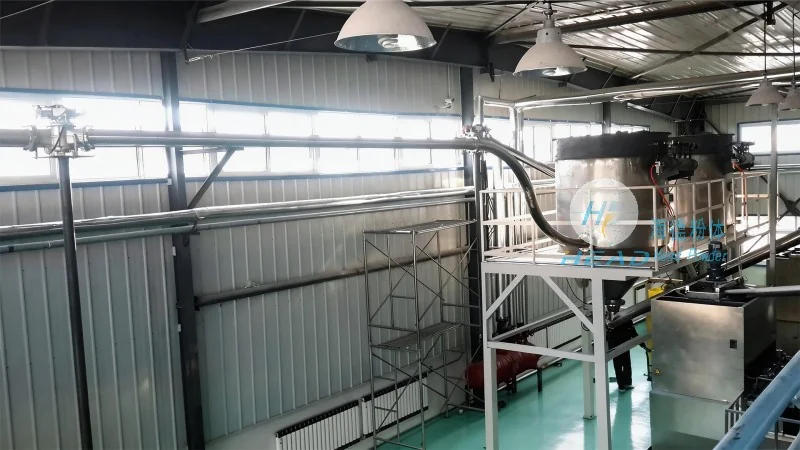
Maintenance and Operational Considerations
To ensure the long-term reliability and efficiency of glucose powder pneumatic conveying equipment, regular maintenance is essential. This includes inspecting and cleaning the hopper and feeder to prevent powder buildup, which can affect flow rates and system performance. The conveying line should be checked for any signs of wear or corrosion, and the air filter and compressor should be maintained to ensure clean and consistent air supply. Operational considerations also include monitoring the air pressure and flow rate to optimize the conveying process and prevent energy waste. Proper training of operators on the system's operation and maintenance is crucial to minimize downtime and maximize equipment lifespan.
About Shandong HeadPowder Engineering Co., Ltd.
Shandong HeadPowder Engineering Co., Ltd., commonly known as headpowder, is a leading manufacturer of specialized pneumatic conveying equipment for various industrial applications. With a strong focus on innovation and quality, the company has established itself as a trusted partner in the industry, providing customized solutions tailored to the specific needs of its clients. Headpowder's facilities are located in Shandong, China, where the company leverages advanced manufacturing technologies and experienced engineering teams to develop and produce high-performance conveying systems. The company's commitment to customer satisfaction and product excellence has earned it a reputation for reliability and durability in the market.