

Introduction to the Sulfur Pellet Pneumatic Conveying System: Structure and Working Principle
HeadPowder, a leading engineering company based in Shandong, China, specializes in the design and manufacturing of advanced pneumatic conveying systems for various industrial applications. This article provides an overview of the sulfur pellet pneumatic conveying system, focusing on its structural components and operational principles to help clients understand its functionality and benefits.
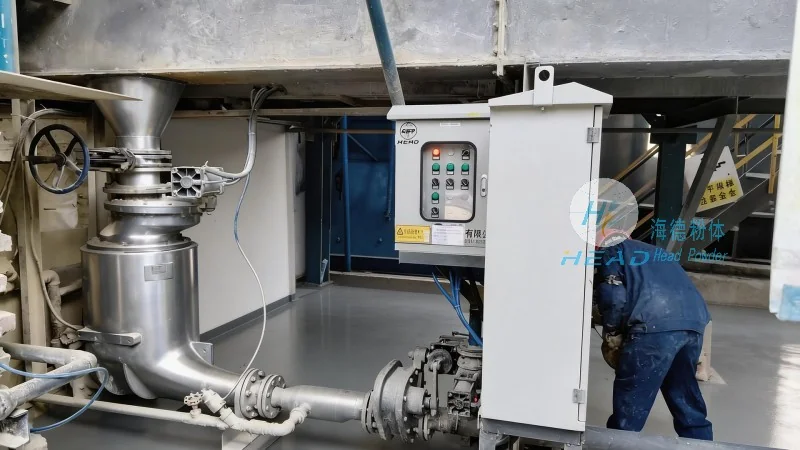
Overview of the Sulfur Pellet Pneumatic Conveying System
The sulfur pellet pneumatic conveying system is a specialized equipment used for the efficient transportation of sulfur pellets from storage silos or processing units to downstream equipment such as reactors or packaging lines. This system is particularly valuable in industries like chemical manufacturing, where the safe and reliable handling of bulk materials is critical. HeadPowder's expertise in engineering ensures that the system is tailored to meet the specific requirements of sulfur pellet handling, including considerations for material properties, flow rates, and environmental regulations.
Key Structural Components of the System
The sulfur pellet pneumatic conveying system consists of several key components that work in tandem to achieve efficient material transport. These components include the material feed hopper, the air supply system, the conveying pipeline, the separation and cleaning units, and the discharge equipment. Each component plays a crucial role in the overall operation of the system.
1. **Material Feed Hopper**: The feed hopper is designed to store and feed sulfur pellets into the system. It typically features a hopper with a conical bottom and a discharge valve that controls the flow rate of the material. The design ensures minimal material degradation and prevents blockages, which are common issues in bulk material handling.
2. **Air Supply System**: This component generates the necessary air pressure and flow to move the sulfur pellets through the pipeline. It includes an air compressor, a filter system to remove contaminants from the air, and a pressure regulator to maintain consistent air pressure. The air supply system is critical for ensuring the material is conveyed at the desired velocity without causing excessive wear on the equipment.
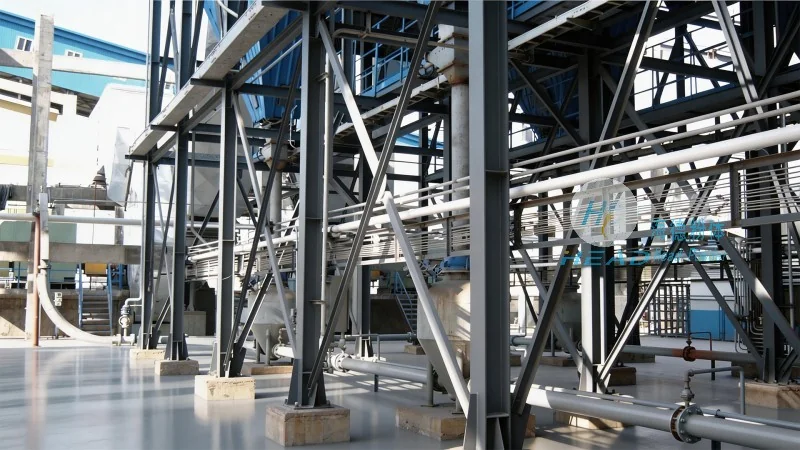
3. **Conveying Pipeline**: The pipeline is the main channel through which sulfur pellets are transported. It is usually made of durable materials such as stainless steel or special plastic to withstand the abrasive nature of sulfur pellets and the effects of air pressure. The pipeline may include bends, elbows, and straight sections, all designed to minimize pressure losses and maintain the material's flow.
4. **Separation and Cleaning Units**: These units are essential for maintaining the system's efficiency and preventing material buildup. They include cyclone separators, filters, and cleaning mechanisms that remove dust and other particles from the air before it is discharged. This not only protects the downstream equipment but also ensures compliance with environmental regulations.
5. **Discharge Equipment**: The discharge equipment is responsible for delivering the sulfur pellets to the final destination. It may include a receiver or a metering device that controls the flow rate of the material at the end of the pipeline. The design of the discharge equipment is tailored to the specific application, ensuring accurate and controlled material delivery.
Working Principle of the Pneumatic Conveying System
The operation of the sulfur pellet pneumatic conveying system is based on the principle of air flow and material suspension. When the air compressor provides the required pressure, air is introduced into the material feed hopper. The air lifts the sulfur pellets and carries them through the pipeline as a dense or dilute phase flow, depending on the system design and operating conditions.
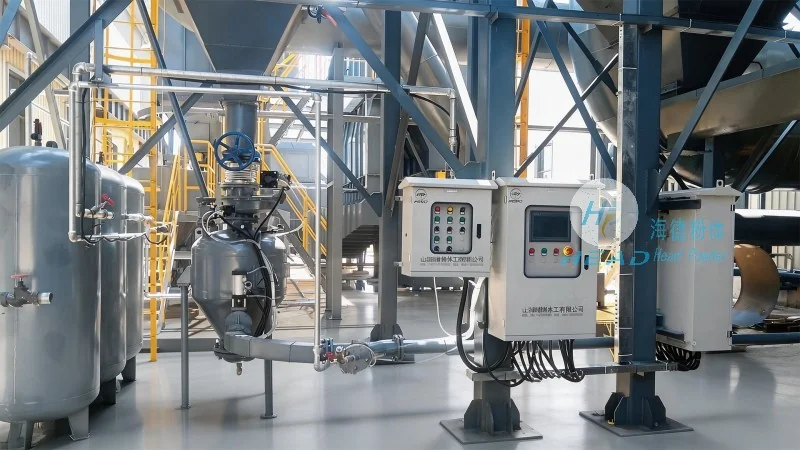
In a dense phase conveying system, the air velocity is relatively low, and the material is conveyed as a solid plug, which reduces wear on the pipeline and equipment. In contrast, a dilute phase system uses higher air velocities, resulting in a more turbulent flow where the material is suspended in the air. The choice between these systems depends on factors such as material properties, pipeline length, and the need for minimal pressure drop.
The system's control system monitors key parameters such as air pressure, flow rate, and material level, ensuring stable operation. Sensors and control valves adjust the air supply and material feed as needed to maintain optimal performance. This automation helps in reducing operational costs and improving the overall efficiency of the conveying process.
Benefits and Applications of the Sulfur Pellet Pneumatic Conveying System
The sulfur pellet pneumatic conveying system offers several advantages over traditional methods like belt conveyors or bucket elevators. These benefits include:
1. **Reduced Labor Costs**: The system automates the material handling process, reducing the need for manual labor and minimizing the risk of accidents.
2. **Improved Safety**: By eliminating the need for manual handling of bulk materials, the system reduces the risk of dust explosions and other safety hazards associated with sulfur pellets.
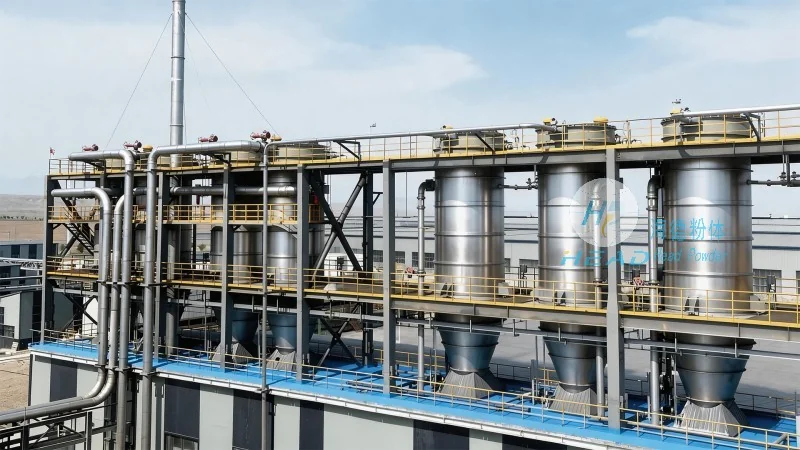
3. **Enhanced Efficiency**: The system can handle high flow rates and long distances, making it suitable for large-scale industrial operations.
4. **Space Efficiency**: The compact design of the system allows for installation in limited spaces, which is particularly beneficial in existing industrial facilities.
HeadPowder's sulfur pellet pneumatic conveying systems are widely used in the chemical industry, particularly in the production of sulfuric acid and other sulfur-based products. The systems are also applicable in other industries where bulk material handling is required, such as mining and food processing.
Conclusion
HeadPowder's sulfur pellet pneumatic conveying system is a reliable and efficient solution for the transportation of sulfur pellets. With its advanced structural design and operational principles, the system ensures safe, cost-effective, and environmentally friendly material handling. By understanding the key components and working mechanisms, clients can make informed decisions about integrating this technology into their industrial processes. HeadPowder remains committed to providing high-quality engineering solutions that meet the evolving needs of the industry.