

Introduction to the Structure and Working Principle of a Coke Particle Pneumatic Conveying System
HeadPowder, a leading engineering company based in Shandong, China, specializes in the design and manufacturing of advanced pneumatic conveying systems tailored for various industrial applications. This article provides a comprehensive overview of a coke particle pneumatic conveying system, detailing its structural components and operational principles to help users understand its functionality and benefits.
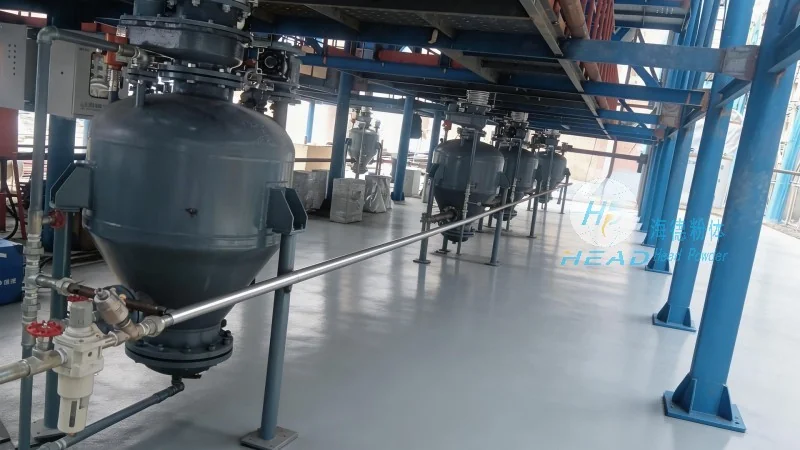
Key Components of the Pneumatic Conveying System
The coke particle pneumatic conveying system comprises several critical components that work in synergy to transport coke particles efficiently. The primary components include the hopper, feeder, air compressor, pipeline system, and receiver. Each component plays a vital role in the overall operation of the system.
The hopper serves as the storage vessel where raw coke particles are loaded. It is designed with a conical or rectangular shape to facilitate uniform material flow. The feeder, typically a rotary valve or a screw feeder, regulates the discharge rate of coke particles from the hopper into the pipeline. This control ensures a consistent flow rate, preventing blockages and maintaining system efficiency.
The air compressor is the heart of the pneumatic conveying system, responsible for generating the necessary air pressure to move the coke particles through the pipeline. High-pressure air is supplied to the system, creating a flow that propels the particles forward. The choice of compressor type, such as positive displacement or centrifugal, depends on the system's capacity and the particle characteristics.
The pipeline system consists of steel or plastic pipes that connect the hopper, feeder, and receiver. The design of the pipeline, including bends, elbows, and expansion joints, is crucial to minimize pressure losses and prevent particle degradation. Proper pipeline sizing and material selection are essential to ensure smooth particle transport and system longevity.
The receiver is the final component where the coke particles are deposited after being conveyed through the pipeline. It is typically a hopper or a storage bin designed to collect the material and prevent spillage. The receiver may also include a discharge valve or a conveyor to transfer the coke particles to the next processing stage.

Working Principle of the Pneumatic Conveying System
The operation of the coke particle pneumatic conveying system follows a sequential process that involves the movement of particles from the hopper to the receiver using compressed air. The system operates by creating a pressure differential between the hopper and the receiver. The air compressor generates high-pressure air that is introduced into the pipeline at the hopper end. As the air flows through the pipeline, it entrains the coke particles, forming a slurry-like mixture known as a "pneumatic stream."
Once the particles are entrained, the pneumatic stream moves through the pipeline under the force of the compressed air. The velocity of the air is maintained above the minimum fluidization velocity of the coke particles to ensure that the particles remain suspended and do not settle. The pipeline design, including the angle and length, is optimized to minimize energy consumption and maximize particle transport efficiency.
At the receiver end, the pressure is reduced, causing the air to expand and the coke particles to separate from the air stream. The separated particles fall into the receiver due to gravity, while the air is either vented to the atmosphere or recycled back to the compressor. This separation process is critical to prevent air leakage and maintain system efficiency.
Advantages of the Coke Particle Pneumatic Conveying System
The coke particle pneumatic conveying system offers several advantages over traditional mechanical conveying methods. One of the primary benefits is the ability to transport coke particles over long distances without the need for intermediate transfer points. This reduces the risk of material spillage and contamination, which is particularly important for high-value coke products.
Another advantage is the system's flexibility in handling varying particle sizes and shapes. The design of the hopper and feeder can be adjusted to accommodate different coke particle characteristics, ensuring consistent material flow. Additionally, the system can be integrated with other processing equipment, such as crushers or screens, to form a complete production line.
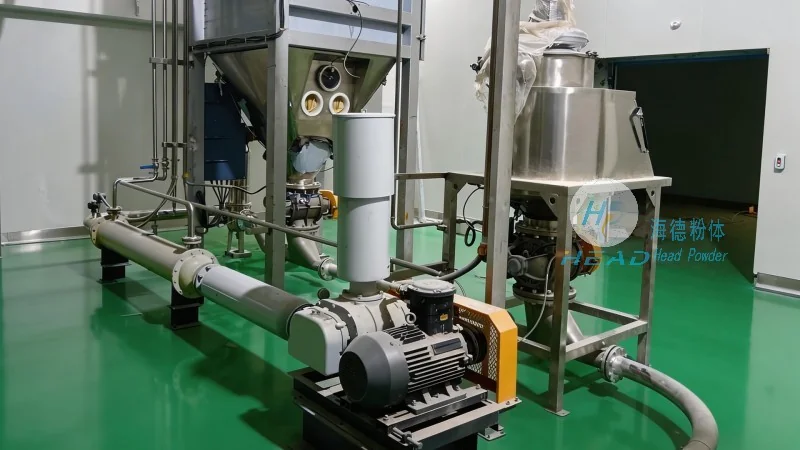
The pneumatic conveying system also provides better control over the material flow rate and pressure. This allows for precise regulation of the coke particle transport, which is essential for maintaining the quality of downstream processes. Furthermore, the system is less prone to mechanical wear and tear compared to traditional belt or screw conveyors, resulting in lower maintenance costs and longer operational life.
Applications and Industries
The coke particle pneumatic conveying system is widely used in various industries, including steel manufacturing, chemical processing, and power generation. In steel plants, the system is used to transport coke from storage facilities to blast furnaces, where it is used as a fuel and reducing agent. The system's ability to handle large volumes of coke particles efficiently makes it ideal for high-throughput steel production.
In chemical processing plants, the system is used to transport coke particles to reactors or storage tanks. The system's ability to maintain particle integrity and prevent contamination is crucial for chemical applications where material purity is critical. Additionally, the system can be adapted to handle other bulk materials, such as powders or granules, making it a versatile solution for various industrial needs.
In power generation facilities, the system is used to transport coke from storage silos to boilers. The system's efficiency in transporting large volumes of material over long distances helps to optimize the fuel supply chain and improve overall plant performance. The system's reliability and low maintenance requirements make it a preferred choice for power generation applications.
Conclusion
HeadPowder's coke particle pneumatic conveying system is a reliable and efficient solution for transporting coke particles in various industrial applications. The system's design, based on advanced engineering principles, ensures optimal performance and minimal maintenance. By understanding the structural components and working principles of the system, users can make informed decisions about its application and integration into their production processes. With its advantages in material handling, flexibility, and cost-effectiveness, the coke particle pneumatic conveying system remains a preferred choice for industries seeking to improve their material transport capabilities.