

Operation Process and Working Principle of Fully Automatic Pneumatic Conveying Equipment for Bulk Ma
Shandong HeadPowder Engineering Co., Ltd., a leading manufacturer in the field of bulk material handling equipment, specializes in the design, production, and supply of advanced pneumatic conveying systems. The fully automatic bulk material pneumatic conveying machine is a core product that integrates intelligent control technology with efficient material transport capabilities, widely used in industries such as chemical, food, and pharmaceuticals for precise ingredient feeding and mixing processes.

Overview of the Fully Automatic Pneumatic Conveying System
The fully automatic pneumatic conveying equipment is engineered to handle various bulk materials, including powders, granules, and fine particles, with high accuracy and reliability. It is designed to replace traditional manual or semi-automatic feeding methods, offering significant improvements in operational efficiency, safety, and product quality. The system operates under a closed-loop control environment, ensuring minimal material loss and contamination, which is crucial for industries with strict hygiene and quality standards.
Key Components and Their Functions
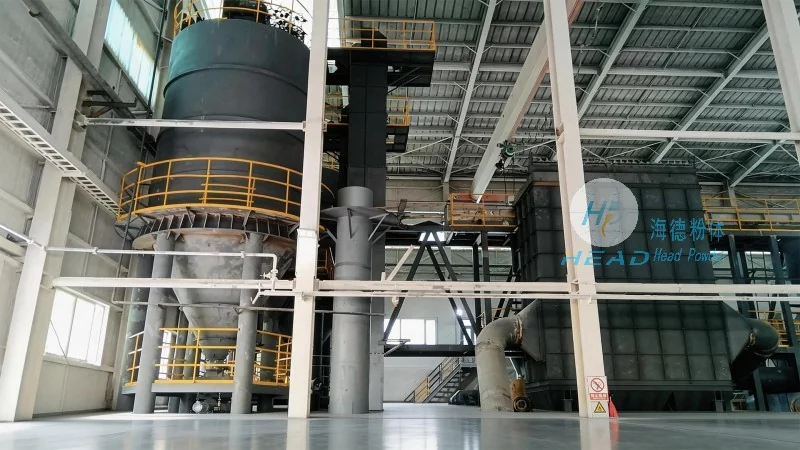
The system consists of several critical components that work in coordination to achieve seamless material transport. These include the material hopper, which stores the bulk material; the air compressor or vacuum pump that generates the air pressure or suction force; the conveying pipeline network that transports the material; the control system that monitors and adjusts the operation parameters; and the discharge valve or outlet that delivers the material to the target location. Each component is meticulously designed to ensure optimal performance and durability under continuous operation.
Working Principle of the Pneumatic Conveying Process
The operation of the fully automatic pneumatic conveying machine is based on the principle of air flow to move bulk materials through a pipeline. In the pressure type system, compressed air is introduced into the material hopper, creating a pressure differential that pushes the material into the conveying pipeline. The material is then carried by the air stream to the destination point. In the vacuum type system, a vacuum pump creates a negative pressure that draws the material from the hopper into the pipeline. The system can also use a combination of both pressure and vacuum to enhance conveying efficiency for different material types and distances.
Operation Process of the Fully Automatic System
The entire operation process of the fully automatic pneumatic conveying equipment is automated through a programmable logic controller (PLC) and human-machine interface (HMI). The process begins with the material being loaded into the hopper. The control system then initiates the air flow, and the material is conveyed to the mixing or processing unit. The system continuously monitors parameters such as air pressure, material flow rate, and pipeline pressure, adjusting the operation in real-time to maintain stable and efficient transport. The automated control ensures that the material is delivered at the exact required rate, minimizing variations and ensuring consistent product quality. The system also includes safety features such as overload protection and air leak detection to prevent accidents and ensure safe operation.
Advantages of the Fully Automatic Pneumatic Conveying Machine
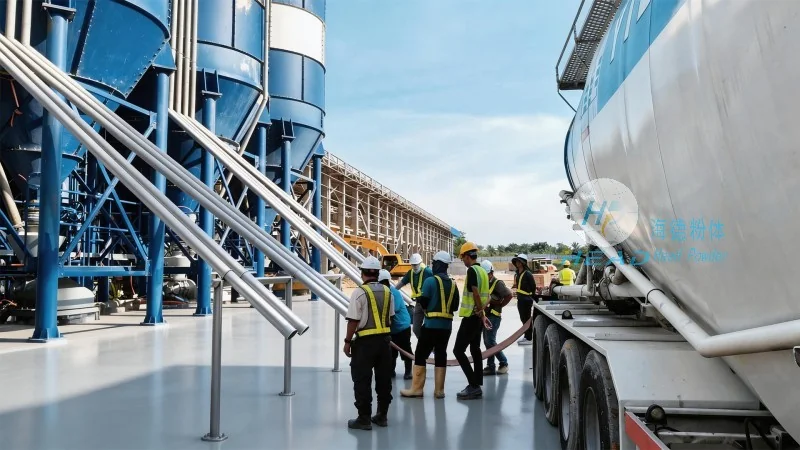
Compared to traditional methods, the fully automatic pneumatic conveying equipment offers several advantages that make it a preferred choice for modern industrial applications. Firstly, it significantly improves operational efficiency by reducing labor costs and increasing production throughput. The automated control system allows for precise material dosing, which is essential for accurate formulation in industries like pharmaceuticals and food processing. Secondly, the closed-loop system minimizes material loss and contamination, ensuring product purity and compliance with industry standards. Thirdly, the system is designed for easy maintenance and cleaning, with components that can be easily disassembled and sanitized, which is critical for hygiene-sensitive industries. Lastly, the system's flexibility allows it to handle a wide range of material types and conveying distances, making it suitable for various production scenarios.
Application Scenarios
The fully automatic pneumatic conveying machine is widely used in various industries where bulk material handling is essential. In the chemical industry, it is used for transporting raw materials and intermediates in the production of chemicals, ensuring precise dosing and minimizing contamination. In the food and beverage industry, it is employed for handling ingredients such as flour, sugar, and spices, maintaining product quality and hygiene. In the pharmaceutical industry, it is used for transporting active pharmaceutical ingredients (APIs) and excipients, with strict controls to prevent cross-contamination and ensure product safety. Additionally, it is used in the agricultural and mining sectors for transporting grains, ores, and other bulk materials, improving operational efficiency and reducing labor costs.