

Operation Process and Working Principle of Dense-Phase Pneumatic Conveying Equipment for Bulk Materi
Understanding the operation process and working principle of dense-phase pneumatic conveying equipment is crucial for industries dealing with bulk materials. This technology offers an efficient and reliable method for transporting materials like powders, granules, and other particulate substances over long distances. The following sections provide a detailed overview of how these systems function, the operational steps involved, and the underlying principles that enable their effective performance.
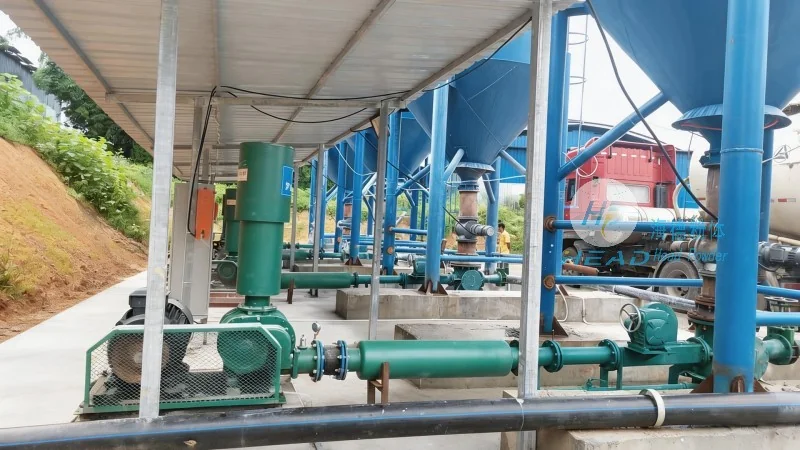
Company Overview: Shandong HeadPowder Engineering Co., Ltd.
Shandong HeadPowder Engineering Co., Ltd., commonly known as HeadPowder, is a leading manufacturer specializing in the design, development, and supply of advanced pneumatic conveying solutions. With a strong commitment to innovation and quality, the company has established itself as a trusted partner in the material handling industry. HeadPowder's headquarters is located in Shandong, China, where the company leverages its expertise to deliver customized solutions tailored to the specific needs of clients across various sectors.
The Operation Process of Dense-Phase Pneumatic Conveying Equipment
The operation of dense-phase pneumatic conveying systems involves several key steps that ensure the smooth and efficient transport of materials. The process typically begins with the loading of the material into the hopper or storage silo. From there, the material is fed into the conveying line under controlled conditions. The system uses a combination of air pressure and vacuum to move the material through the pipeline. The material is carried in a dense phase, meaning it is transported in a slurry-like state, which minimizes particle segregation and reduces the risk of clogging. The process includes the following stages:
Material Loading: The bulk material is loaded into the hopper or silo, ensuring a consistent feed rate.
Feeding and Conditioning: The material is fed into the conveying line, often with the addition of a small amount of air or gas to condition the material and prevent blockages.
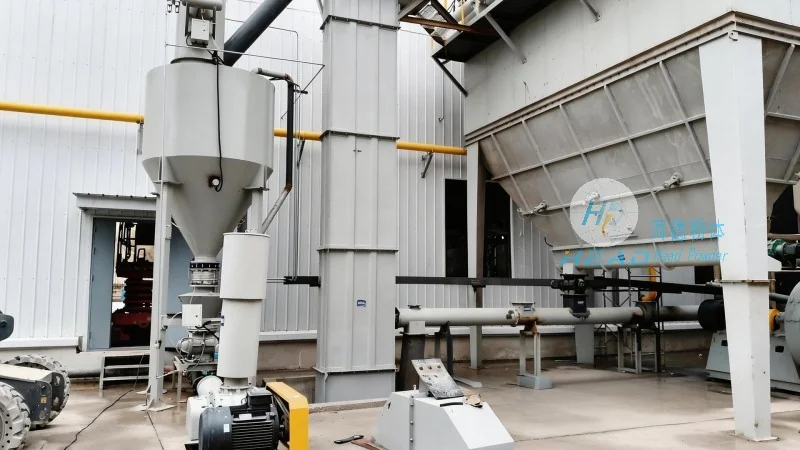
Conveying: The material is transported through the pipeline under pressure or vacuum, maintaining a dense phase to ensure stable flow.
Discharge: The material is discharged at the receiving end, where it is collected in a storage container or processing unit.
Each step is carefully controlled to maintain the integrity of the material and ensure optimal performance. The system's design, including the size and configuration of the hopper, the type of feeder, and the pipeline layout, plays a critical role in the overall efficiency of the operation.
Working Principle of Dense-Phase Pneumatic Conveying Systems
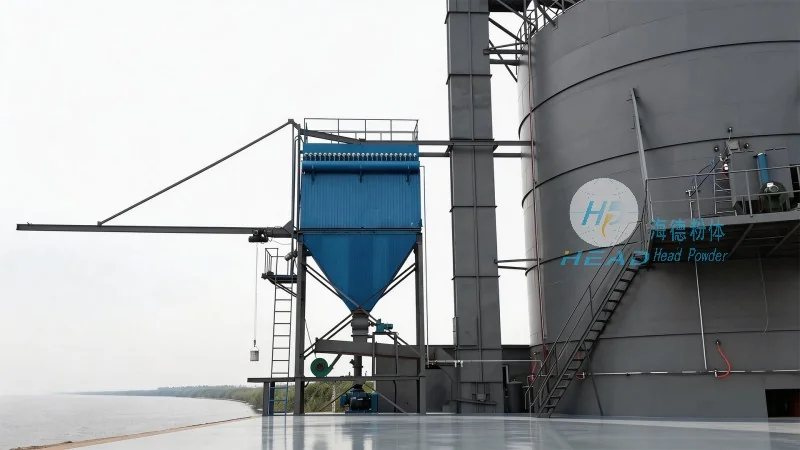
The working principle of dense-phase pneumatic conveying equipment is based on the principles of fluid dynamics and particle movement. The system operates by creating a pressure differential between the inlet and outlet of the conveying line. In a typical setup, a blower or compressor generates the necessary air pressure, which is then introduced into the pipeline. The material is introduced into the line at a controlled rate, and the air flow carries the material in a dense phase. The key to this process is maintaining a high solids concentration, which prevents the material from settling and ensures a stable flow.
The system uses a combination of positive pressure and negative pressure to move the material. The positive pressure is used to push the material forward, while the negative pressure is used to create a suction effect at the receiving end. This dual approach ensures that the material is transported efficiently and with minimal energy consumption. The working principle also involves the use of specialized components such as rotary valves, airlocks, and filters to control the flow and maintain the quality of the conveyed material.
Key Features and Benefits of Dense-Phase Pneumatic Conveying
Dense-phase pneumatic conveying systems offer several advantages over traditional conveying methods. One of the primary benefits is the ability to transport materials in a dense phase, which reduces the risk of particle segregation and improves the quality of the material. This is particularly important for materials that are prone to clumping or agglomeration. Additionally, the system is highly flexible and can be customized to meet the specific requirements of different applications. The equipment is also relatively compact and can be installed in various locations, making it suitable for both new and existing facilities.
Another key feature is the energy efficiency of the system. By maintaining a dense phase, the system minimizes the amount of air required for transport, resulting in lower energy consumption compared to other pneumatic conveying methods. This not only reduces operating costs but also contributes to a more sustainable operation. The system also offers improved safety, as the material is contained within the pipeline, reducing the risk of dust explosions and other hazards associated with loose material handling.