

Operation Process and Working Principle of Automatic Quantitative Powder Pneumatic Conveying
Automatic quantitative powder pneumatic conveying systems are advanced industrial solutions designed to efficiently transport bulk powders over long distances with precise control. These systems integrate pneumatic technology with automated measurement and control mechanisms, ensuring reliable and accurate material handling in various industrial applications. The technology is widely used in sectors such as chemical, pharmaceutical, food, and mining, where the handling of fine powders requires both efficiency and precision.
Key Components and Their Roles
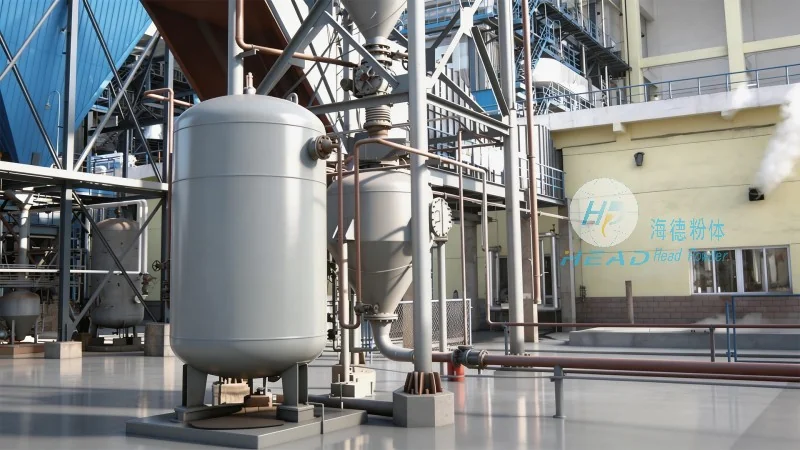
The core components of an automatic quantitative powder pneumatic conveying system include the hopper, feeder, air compressor, conveying line, and control unit. Each component plays a critical role in the overall operation. The hopper stores the bulk powder, providing a consistent feed to the system. The feeder, often a rotary valve or a gravimetric feeder, regulates the flow rate of the powder into the conveying line. The air compressor generates the necessary air pressure to move the powder particles through the pipeline. The conveying line, typically made of stainless steel or other corrosion-resistant materials, ensures the material is transported without degradation. The control unit monitors and adjusts the system parameters in real-time, maintaining the desired flow rate and pressure.
Operation Process: Step-by-Step Explanation
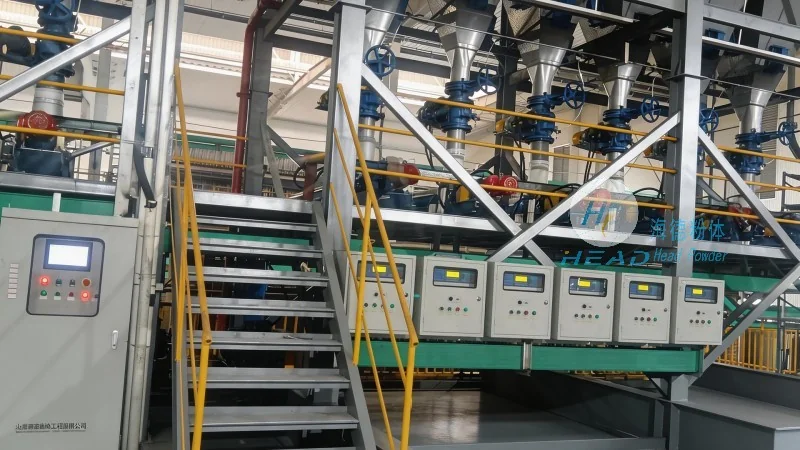
The operation of an automatic quantitative powder pneumatic conveying system follows a systematic process. First, the bulk powder is loaded into the hopper. The feeder then starts, delivering a controlled amount of powder into the conveying line. Simultaneously, the air compressor supplies compressed air, which creates a flow that lifts and transports the powder particles. The powder and air mixture travels through the pipeline to the discharge point. At the receiving end, the system separates the powder from the air, typically using a cyclone or a filter. The separated powder is collected, while the air is either recirculated or vented. The control unit continuously monitors the flow rate, pressure, and other parameters, adjusting the feeder speed or air pressure as needed to maintain the desired quantitative output.
Working Principle: How It Works
The working principle of automatic quantitative powder pneumatic conveying is based on the principle of fluidization and pneumatic transport. When compressed air is introduced into the conveying line, it creates a low-pressure zone that draws the powder particles into the air stream. The air flow velocity is maintained above the minimum fluidization velocity of the powder, ensuring that the particles remain suspended and transported efficiently. The system uses a combination of pressure and vacuum conveying, depending on the application and distance. In pressure conveying, the air compressor provides the driving force from the discharge end, pushing the powder forward. In vacuum conveying, a vacuum pump at the receiving end pulls the powder from the hopper. The quantitative control is achieved through precise regulation of the feeder's output and the air flow rate, ensuring that the final discharge rate matches the set target.
Advantages and Applications
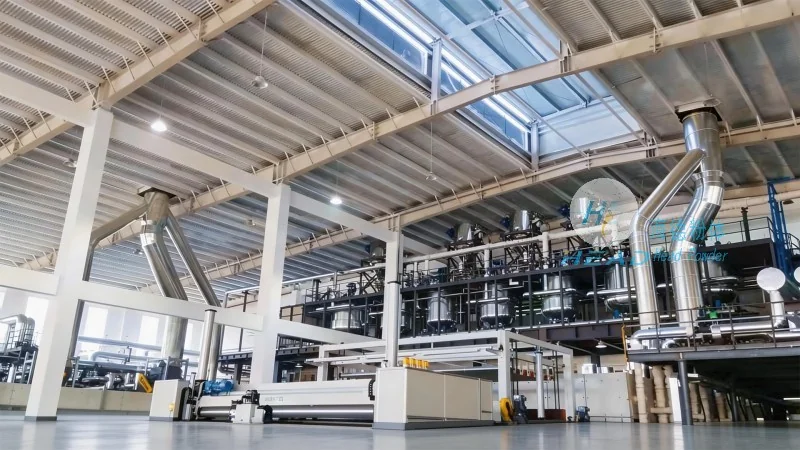
Automatic quantitative powder pneumatic conveying systems offer several advantages over traditional material handling methods. They eliminate the need for manual handling, reducing labor costs and minimizing human error. The systems provide consistent and accurate material flow, which is critical for quality control in industries like pharmaceuticals and food processing. They also minimize product contamination and degradation, as the powder is transported in a closed system. These systems are suitable for transporting a wide range of powders, including fine, abrasive, and hygroscopic materials. Common applications include the transport of chemicals, powders in the food industry, pharmaceutical raw materials, and mining products.