

Operation Process and Working Principle of Stone Coal Material Pneumatic Conveying Line
Stone coal material, also known as stone coal or coal gangue, is a byproduct of coal mining and processing. Efficient handling and transportation of this material are crucial for industrial operations, especially in power plants, coal processing facilities, and mining sites. Pneumatic conveying systems offer a reliable and effective solution for transporting such materials over long distances or within complex industrial setups. This article provides an in-depth look at the operation process and working principle of a stone coal material pneumatic conveying line, highlighting its key components, operational steps, and technical advantages.
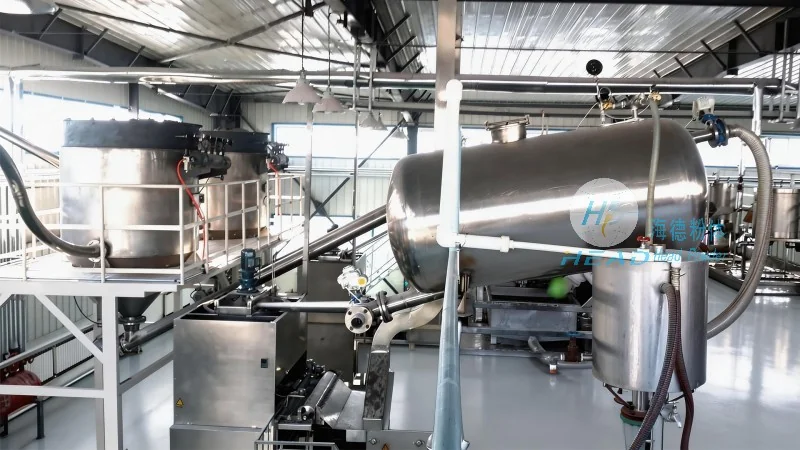
Company Introduction: HeadPowder
HeadPowder, or Shandong HeadPowder Engineering Co., Ltd., is a leading manufacturer and supplier of industrial material handling equipment based in Shandong, China. With years of experience in the field, the company specializes in designing, manufacturing, and installing pneumatic conveying systems tailored to meet the specific needs of various industries. HeadPowder's commitment to quality, innovation, and customer satisfaction has established it as a trusted partner for businesses seeking efficient and reliable material transport solutions.
Overview of the Stone Coal Material Pneumatic Conveying Line
The stone coal material pneumatic conveying line is a sophisticated system designed to transport bulk materials like stone coal through an air stream. Unlike traditional mechanical conveyors, this system uses compressed air to move the material, eliminating the need for moving parts that come into direct contact with the material. This design reduces wear and tear, minimizes maintenance requirements, and ensures a cleaner and more hygienic operation. The system is typically composed of several key components, including a material hopper, a feeder, a conveying pipeline, a dust collector, and a discharge unit.
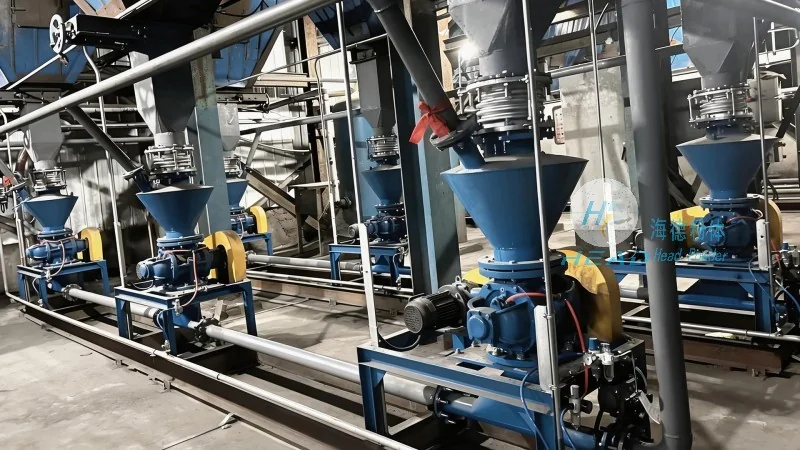
Working Principle of the Pneumatic Conveying System
The core of the stone coal material pneumatic conveying line is the air flow mechanism. The process begins with the material being fed into the system from a hopper. A feeder, often a rotary valve or a screw feeder, controls the flow rate of the material into the conveying pipeline. Simultaneously, a compressor generates high-pressure air, which is introduced into the pipeline. As the air flows through the pipeline, it entrains the stone coal particles, creating a slurry-like mixture known as a "pneumatic stream." The air and material mixture travels through the pipeline to the discharge point, where the air is separated from the material. The separated air is then filtered and recycled back into the system, while the stone coal is collected and discharged into the target container or processing unit.
Operation Process of the Stone Coal Material Pneumatic Conveying Line
The operation of the stone coal material pneumatic conveying line involves several sequential steps that ensure smooth and continuous material transport. First, the material is loaded into the hopper from the source storage area. The hopper acts as a buffer, holding a sufficient quantity of stone coal to maintain a steady flow. Next, the feeder regulates the material discharge rate, ensuring a consistent feed into the conveying pipeline. The compressor then starts, producing the necessary air pressure to initiate the conveying process. As the air is introduced, the material is drawn into the pipeline and carried to the discharge end. At the discharge point, a cyclone separator or a filter separates the air from the stone coal. The clean air is recirculated, while the stone coal is collected in a designated container. The system continuously operates until the material in the hopper is depleted, at which point the process can be paused or the hopper refilled.
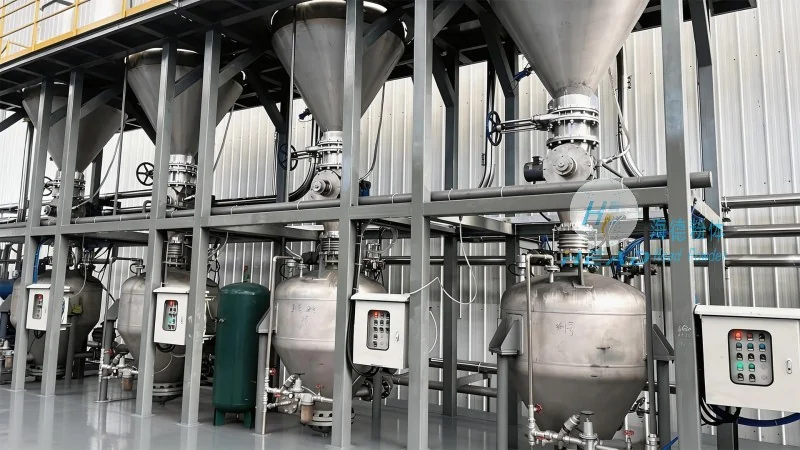
Key Components and Their Functions
Several critical components work in tandem to ensure the efficient operation of the stone coal material pneumatic conveying line. The material hopper serves as the primary storage and feeding unit, providing a stable supply of stone coal to the system. The feeder, typically a rotary valve or a screw feeder, controls the material flow rate, preventing overfeeding or underfeeding that could disrupt the conveying process. The compressor is the heart of the system, generating the high-pressure air required to entrain the material. The conveying pipeline, usually made of stainless steel or other corrosion-resistant materials, transports the air and material mixture. The dust collector or separator is essential for removing fine particles from the air stream, ensuring compliance with environmental regulations and maintaining air quality. Finally, the discharge unit collects the stone coal and directs it to the final destination, such as a storage silo or a processing plant.
Advantages of the Pneumatic Conveying System
Compared to traditional mechanical conveyors, the stone coal material pneumatic conveying line offers several advantages that make it a preferred choice for many industrial applications. First, it eliminates the need for moving parts that come into direct contact with the material, reducing wear and tear and minimizing maintenance costs. The system is also capable of transporting materials over long distances or through complex layouts without the need for multiple transfer points. Additionally, the pneumatic conveying system provides a cleaner and more hygienic operation, as the material is not exposed to external contaminants. The ability to handle a wide range of particle sizes and material types further enhances its versatility. Finally, the system can be easily integrated with other industrial processes, such as dust collection and material processing, making it a comprehensive solution for material handling needs.
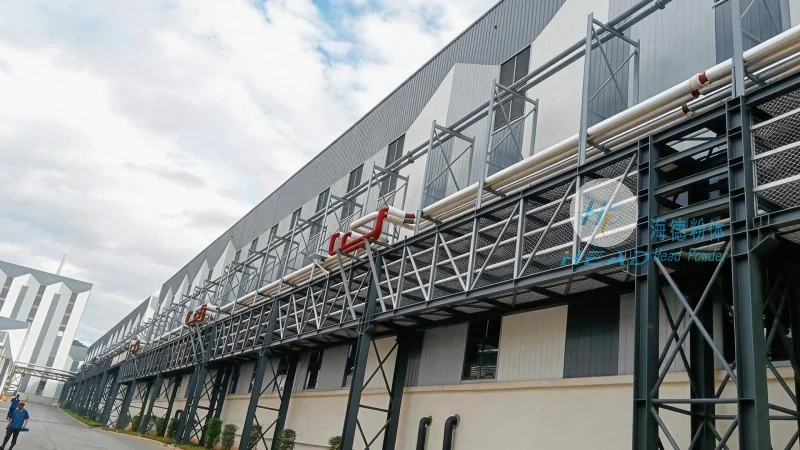
Application Scenarios
The stone coal material pneumatic conveying line is widely used in various industries where bulk material transport is required. In power plants, it is used to transport coal gangue from storage areas to processing units or disposal sites. In coal processing facilities, the system helps move stone coal from crushing and screening equipment to storage silos or shipping containers. Mining sites also utilize this technology to transport waste materials or processed coal over long distances. Additionally, the system is suitable for applications in cement plants, where raw materials like limestone or coal ash need to be transported to production lines. The flexibility and adaptability of the pneumatic conveying line make it an ideal solution for a wide range of industrial material handling challenges.
Conclusion
The stone coal material pneumatic conveying line is a highly efficient and reliable system for transporting bulk materials like stone coal. By leveraging the principles of pneumatic transport, this system offers numerous advantages over traditional mechanical conveyors, including reduced maintenance, improved cleanliness, and the ability to handle complex material flows. HeadPowder, with its expertise in industrial material handling, provides comprehensive solutions that meet the specific needs of various industries. Whether for power plants, coal processing facilities, or mining sites, the stone coal material pneumatic conveying line is an essential component for ensuring smooth and continuous material transport operations.