

Operation Process and Working Principle of Pneumatic Conveying Equipment for Bread Flour Materials
HeadPowder, a leading manufacturer based in Shandong, China, specializes in the design and production of advanced pneumatic conveying equipment tailored for handling bread flour and other similar bulk materials. This article provides a detailed overview of the operational process and working principles of such equipment, highlighting the technical aspects and practical applications that ensure efficient material transport in industrial settings.
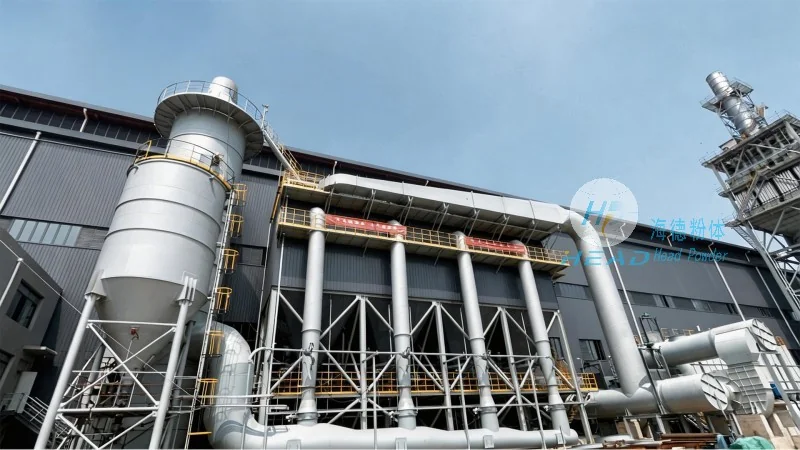
Introduction to Pneumatic Conveying Systems for Bread Flour
Pneumatic conveying equipment is a critical component in the food processing industry, particularly for handling fine powders like bread flour. These systems utilize air or gas as the conveying medium to transport materials from one location to another without the need for mechanical components like belts or buckets. The primary advantage of pneumatic conveying is its ability to handle delicate, hygienic materials while maintaining high levels of efficiency and cleanliness, which is essential for food-grade applications.
Key Components of the Pneumatic Conveying Equipment
The pneumatic conveying system for bread flour typically consists of several key components that work in tandem to achieve effective material transport. These components include the hopper or feed hopper, which stores the bread flour and provides a controlled feed into the system; the air compressor or blower, which generates the necessary air pressure to move the material; the conveying line, which is usually made of flexible or rigid tubing to guide the material and air mixture; and the receiver or discharge hopper, where the material is collected after transport. Additionally, the system may include accessories such as filters, cyclones, and control valves to manage air flow, prevent material degradation, and ensure safe operation.
Operation Process of the Pneumatic Conveying Equipment
The operation process of the pneumatic conveying equipment for bread flour begins with the material being fed into the hopper. The air compressor then starts, generating a flow of air that is directed into the conveying line. As the air flows through the line, it picks up the bread flour particles from the hopper, creating a slurry of air and material. This mixture is then transported through the conveying line to the receiver, where the air is separated from the material. The separated air is typically filtered and recirculated back into the system to conserve energy and maintain efficiency. The bread flour is collected in the receiver, ready for further processing or packaging.
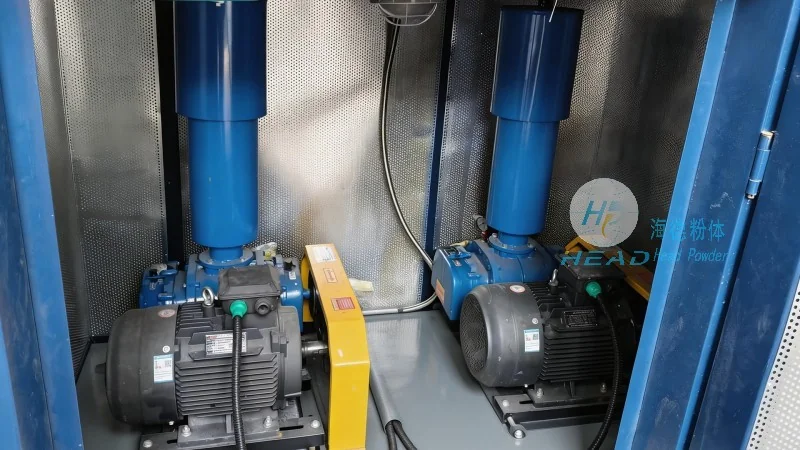
Working Principle of the Pneumatic Conveying Equipment
The working principle of the pneumatic conveying equipment relies on the principles of fluid dynamics and particle transport. The system operates by creating a pressure differential between the feed and discharge points. The air compressor provides the necessary pressure to overcome the resistance of the conveying line and the material particles. The velocity of the air flow is critical; it must be sufficient to lift and transport the bread flour particles without causing excessive wear or degradation. The design of the conveying line, including its diameter and length, is optimized to maintain the required air velocity and pressure. The use of appropriate air flow rates and pressure levels ensures that the material is conveyed smoothly and efficiently, minimizing the risk of blockages or material loss.
Advantages of Using Pneumatic Conveying for Bread Flour
Implementing pneumatic conveying equipment for bread flour offers several advantages over traditional mechanical conveying methods. Firstly, it provides a hygienic and dust-free environment, which is crucial for food-grade applications. The enclosed system prevents contamination from external sources and reduces the risk of cross-contamination between different batches of flour. Secondly, it offers high efficiency in material transport, with the ability to handle large volumes of material quickly and with minimal downtime. Thirdly, the system is flexible and can be easily integrated into existing production lines, allowing for seamless expansion or modification of the conveying system. Additionally, pneumatic conveying reduces the need for manual handling, improving workplace safety and reducing labor costs.
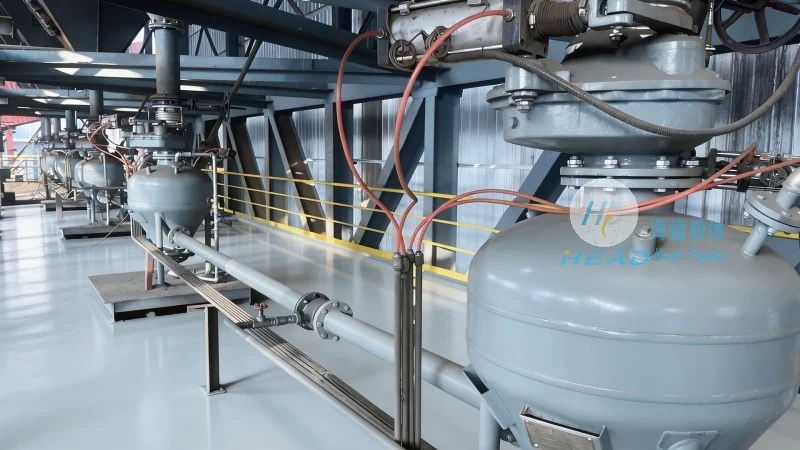
Applications and Industrial Use Cases
Pneumatic conveying equipment for bread flour is widely used in various industrial applications within the food processing sector. These systems are commonly employed in bakeries, flour mills, and food manufacturing plants to transport bread flour from storage silos to production lines, mixing equipment, or packaging stations. The equipment is also used in the handling of other fine powders, such as sugar, cocoa, and other dry ingredients, making it a versatile solution for bulk material transport in the food industry. The ability to handle delicate materials without causing clumping or degradation makes it ideal for maintaining product quality and consistency.
Maintenance and Operational Considerations
To ensure the optimal performance and longevity of the pneumatic conveying equipment, regular maintenance and proper operational considerations are essential. The system should be inspected regularly for any signs of wear or damage to the conveying line, air compressor, or other components. Filters should be cleaned or replaced as needed to maintain air quality and prevent clogging. The air compressor should be maintained according to the manufacturer's specifications to ensure consistent air pressure and flow. Additionally, the system should be operated within the recommended parameters, such as air flow rates and pressure levels, to avoid overloading or damaging the equipment. Proper training of operators on the safe and efficient operation of the system is also crucial to prevent accidents and ensure smooth operation.
Conclusion
In conclusion, the pneumatic conveying equipment for bread flour is a highly efficient and reliable solution for handling bulk materials in the food processing industry. The operation process, which involves feeding the material, generating air flow, transporting the material, and separating the air, is designed to maximize efficiency and minimize material loss. The working principle, based on fluid dynamics and pressure differentials, ensures that the material is conveyed smoothly and without degradation. With its hygienic design, high efficiency, and flexibility, this equipment is an essential component for modern food processing facilities. HeadPowder, with its expertise in manufacturing such equipment, provides reliable solutions that meet the stringent requirements of the food industry, ensuring quality, safety, and efficiency in material transport.