

Operation Process and Working Principle of Polyolefin Powder Pneumatic Conveying
Understanding the operation process and working principle of polyolefin powder pneumatic conveying is crucial for optimizing material handling in industrial applications. This technology efficiently transports polyolefin powders through a pipeline using air or gas as the conveying medium, offering advantages such as reduced contamination, improved safety, and enhanced process control.
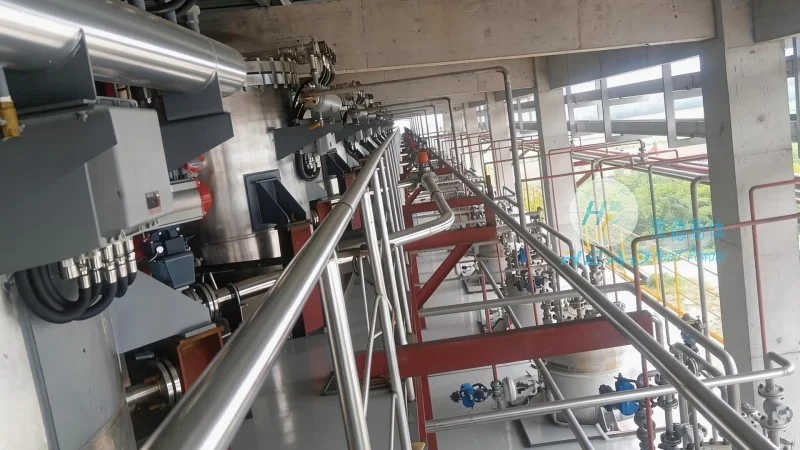
Pneumatic Conveying System Components and Setup
The polyolefin powder pneumatic conveying system typically consists of several key components, including a hopper for material storage, a feeder to control the flow rate, a conveying line (often equipped with bends and filters), a dust collector to capture particles, and a venturi or other air-moving devices. The system is designed to maintain a consistent pressure and airflow to ensure smooth material transport from the source to the destination.
Operation Process of Polyolefin Powder Pneumatic Conveying
The operation process begins with the loading of polyolefin powder into the hopper. The feeder then regulates the material discharge rate, ensuring a steady flow into the conveying line. As the powder enters the line, it is mixed with air or gas, creating a slurry-like mixture that is propelled forward by the pressure differential. The conveying line may include various sections, such as straight runs, bends, and horizontal or vertical segments, each designed to handle specific material characteristics and system requirements. The system maintains a consistent pressure and airflow to prevent clogging and ensure efficient transport. Upon reaching the destination, the powder is separated from the air stream, often through a cyclone or filter, and collected in a receiving hopper or container.
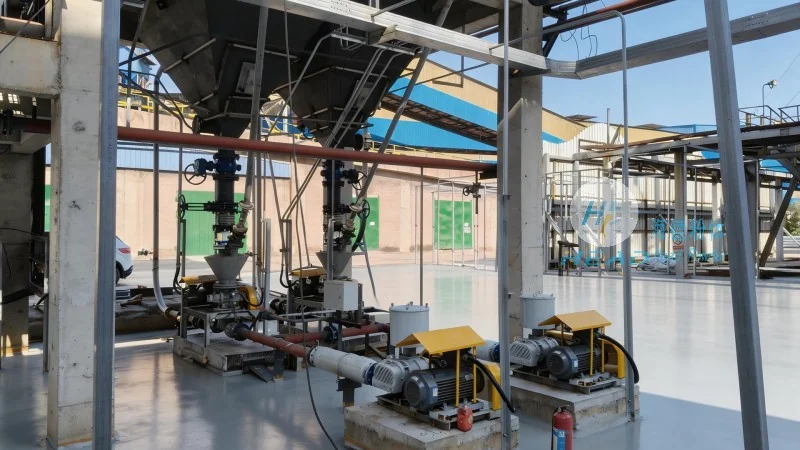
Working Principle of the Pneumatic Conveying System
The working principle of polyolefin powder pneumatic conveying relies on the interaction between the powder particles and the air stream. The system uses either positive pressure (pressure conveying) or negative pressure (vacuum conveying) to move the material. In pressure conveying, a blower or compressor generates high-pressure air that pushes the powder through the pipeline. The air velocity is carefully controlled to ensure that the powder particles remain suspended in the air stream without settling or clogging the line. In vacuum conveying, a vacuum pump creates a low-pressure environment that draws the powder from the source into the line. Both methods aim to achieve a stable and efficient flow, minimizing the risk of material degradation or loss.
Advantages of Polyolefin Powder Pneumatic Conveying
Implementing polyolefin powder pneumatic conveying offers several benefits for industrial operations. First, it reduces the risk of contamination by isolating the material from external environments. The enclosed system prevents dust exposure and cross-contamination, which is critical for maintaining product quality in pharmaceutical or food industries. Second, it enhances safety by eliminating the need for manual handling of powders, reducing the risk of respiratory issues or accidents. Third, the system provides precise control over material flow rates and pressure, enabling better process optimization and reduced waste. Additionally, pneumatic conveying systems are versatile and can handle a wide range of polyolefin powder types, including different particle sizes and moisture contents.
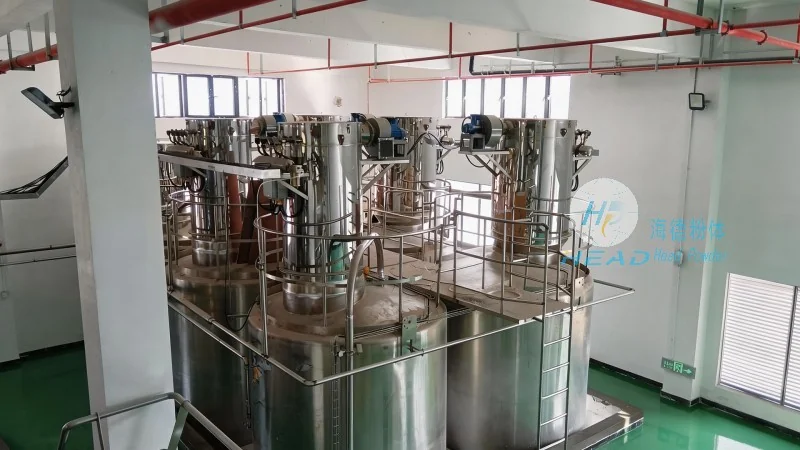
Applications in Industrial Settings
Polyolefin powder pneumatic conveying is widely used in various industrial sectors, including plastics manufacturing, chemical processing, and food processing. In plastics production, the technology is employed to transport raw polyolefin powders from storage to processing equipment, such as extruders or mixers. In chemical plants, it facilitates the transport of polyolefin-based additives or fillers, ensuring consistent material delivery to reactors. The system is also utilized in food processing facilities to handle polyolefin-based packaging materials or additives, maintaining hygiene and product integrity.
About Shandong HeadPowder Engineering Co., Ltd.
Shandong HeadPowder Engineering Co., Ltd., operating under the brand name headpowder, specializes in the design, manufacturing, and installation of advanced pneumatic conveying systems for polyolefin powders. With a focus on innovation and customer-centric solutions, the company provides tailored systems that meet the specific needs of industrial clients. Headpowder's expertise lies in optimizing material handling processes, enhancing efficiency, and ensuring compliance with industry standards. The company's facilities are located in Shandong, China, where it leverages local resources and expertise to deliver high-quality products and services to global markets.