

Operation Process and Working Principle of Magnesia Sand Material Handling System
Magnesia sand, a vital raw material in sectors like refractory production and chemical processing, demands efficient handling systems to ensure operational smoothness. The magnesia sand material handling system by Shandong HeadPowder Engineering Co., Ltd. is engineered to tackle challenges posed by this abrasive, high-density material. This article details the operation process and working principles, highlighting key components, operational flow, and technological advancements that enhance performance.
Key Components of the System
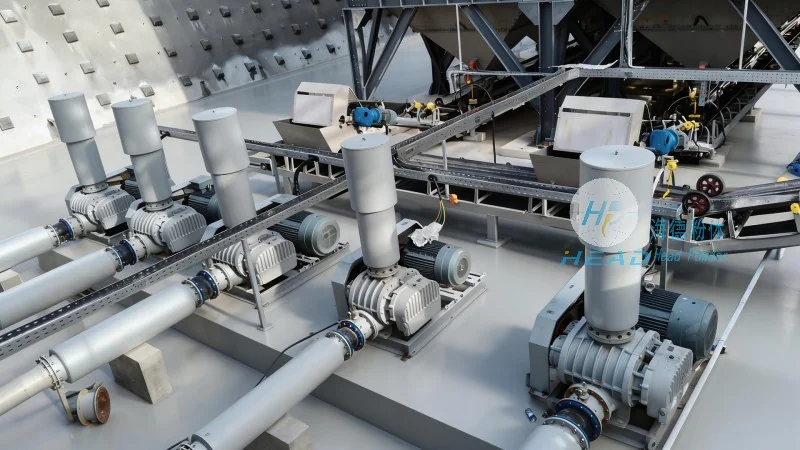
The system comprises integrated components including a hopper for storage, a conveyor system for transport, a feeding mechanism for controlled flow, and a dust collection system for environmental safety. Each part is designed to endure the high abrasiveness and temperature variations of magnesia sand, ensuring durability and minimal maintenance.
Operation Process Overview
The operation starts with loading raw magnesia sand into the hopper, which features a level indicator for volume monitoring. Once filled, the feeding mechanism activates, gradually releasing material into the conveyor. The conveyor system—using belt, screw, or pneumatic methods—transports sand to processing/storage locations. Adjustable speed controls regulate flow rate, with sensors providing real-time performance data.
Working Principle Explained
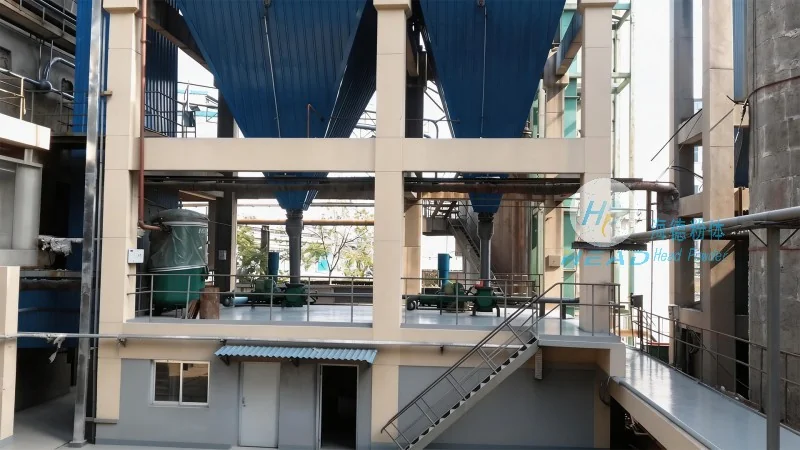
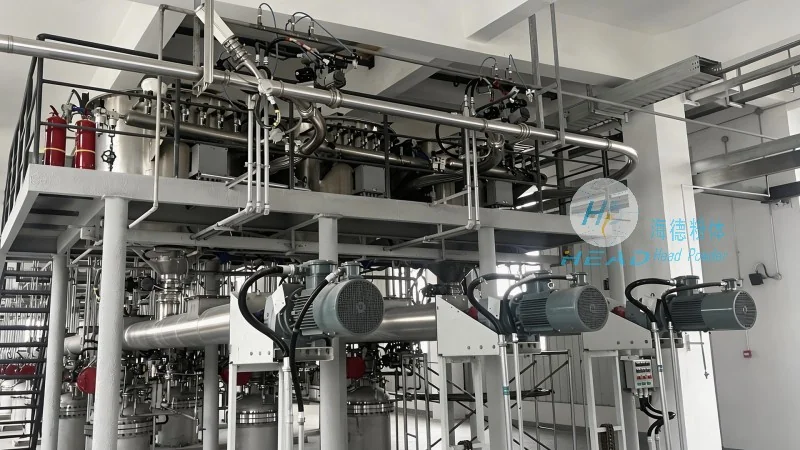
The system operates via mechanical and pneumatic forces. The hopper acts as a storage vessel with a discharge valve. The feeding mechanism (rotary or vibratory) ensures consistent material release. The conveyor uses friction or air pressure to move sand, with speed/direction adjustable. A dust collection system captures airborne particles, maintaining safety. A closed-loop control system uses sensor feedback to adjust parameters for optimal performance.
Advantages of the System
The system reduces labor costs by automating material transport, minimizes manual handling risks, and ensures product quality through precise flow control. Durability and low maintenance lower long-term operational costs. These benefits make it suitable for industries like refractory manufacturing where material consistency is critical.
Applications and Industries
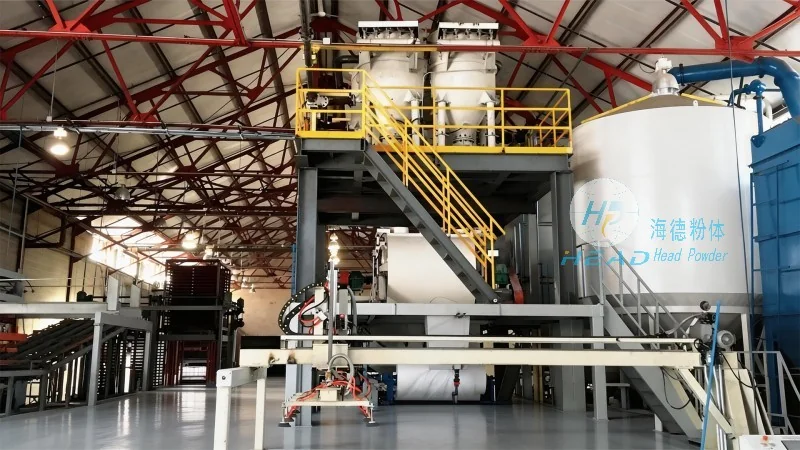
The system is widely used in refractory production (for brick manufacturing), chemical processing (magnesia-based chemicals), and metal foundries (sand casting). Its adaptability to different scales and material types makes it a versatile solution for diverse industrial needs.
Conclusion
The magnesia sand material handling system by Shandong HeadPowder Engineering Co., Ltd. represents a technological advancement in material handling, offering efficiency, reliability, and safety. By integrating advanced components and control systems, it minimizes operational costs and risks while meeting production demands. With robust design and comprehensive functionality, it remains a critical solution for industrial material handling challenges.