

Operation Process and Working Principle of Intelligent Tonne Bag Feeding Station Material Conveying
Shandong HeadPowder Engineering Co., Ltd. specializes in the design, manufacturing, and installation of advanced material handling systems, including the intelligent tonne bag feeding station material conveying system. This system is engineered to efficiently handle bulk material transfer from large tonne bags, ensuring high precision, reliability, and minimal downtime in industrial applications.
System Components and Structure
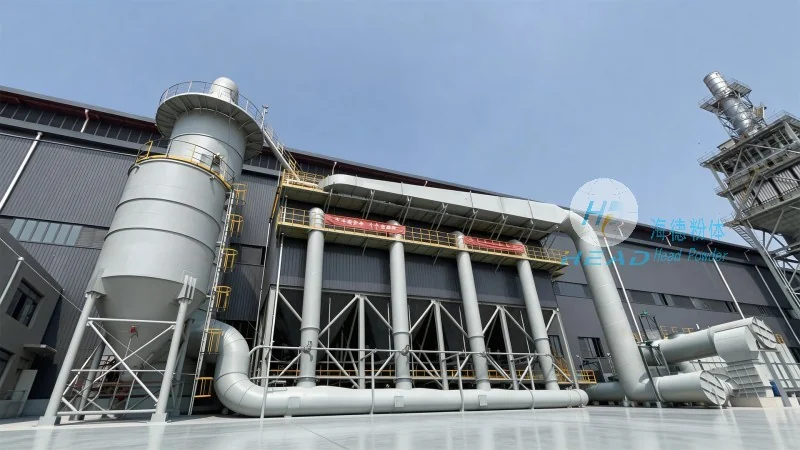
The intelligent tonne bag feeding station material conveying system typically consists of several key components that work in tandem to achieve seamless material transfer. These include a bag opening mechanism, a hopper for collecting material from the opened bag, a conveyor system (such as a belt conveyor or screw conveyor) for transporting material to the processing line, and an automated control system for monitoring and adjusting the operation. The system is designed to accommodate various types of tonne bags, including those made of plastic or woven materials, and can handle a wide range of bulk materials such as powders, granules, or pellets.
Operation Process
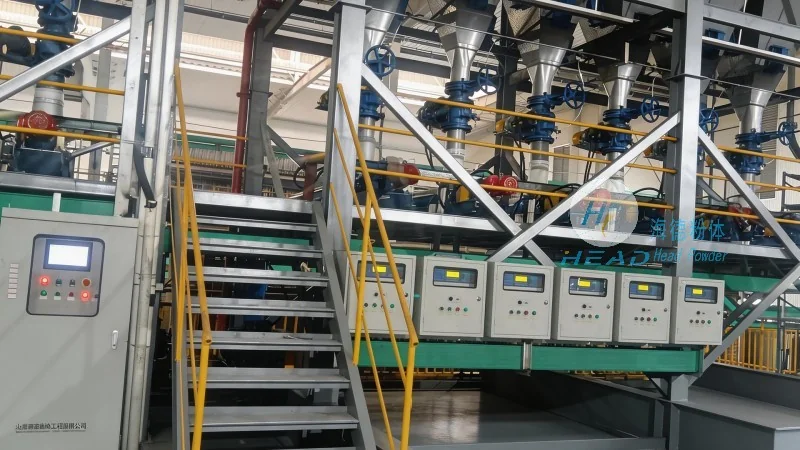
The operation of the intelligent tonne bag feeding station material conveying system begins with the placement of a tonne bag onto the feeding platform. The system's automated bag opening mechanism then engages, using mechanical or pneumatic tools to cut or tear the bag open, allowing the material to flow into the hopper. Once the bag is fully emptied, the system automatically moves to the next bag or initiates a cleaning cycle if required. The conveyor system then transports the material from the hopper to the downstream processing equipment, such as a mixer, dryer, or packaging machine. The entire process is controlled by a programmable logic controller (PLC) that monitors parameters like material flow rate, hopper level, and conveyor speed, ensuring optimal performance and preventing overloading or blockages.
Working Principle
The working principle of the intelligent tonne bag feeding station material conveying system is based on a combination of mechanical, pneumatic, and electronic components working together to achieve efficient material handling. The bag opening mechanism uses a rotating blade or cutting tool to open the tonne bag, while the hopper collects the material and feeds it to the conveyor. The conveyor system, often equipped with adjustable speed drives, transports the material at a controlled rate to the processing line. The automated control system, integrated with sensors and feedback loops, continuously monitors the system's performance and adjusts parameters in real-time to maintain stable operation. This closed-loop control ensures that the system can handle varying material characteristics and bag sizes without manual intervention, enhancing productivity and reducing labor costs.
Key Features and Advantages
The intelligent tonne bag feeding station material conveying system offers several advantages over traditional manual handling methods. These include: 1) High automation level, reducing the need for manual labor and minimizing human error; 2) Precise material control, ensuring consistent flow rates and preventing material loss; 3) Robust construction, designed to withstand heavy-duty industrial environments and handle various bag sizes and weights; 4) Integrated monitoring and control, providing real-time data on system performance and enabling remote diagnostics and maintenance. The system is also designed for easy integration with existing production lines, allowing seamless incorporation into existing workflows without significant modifications.
Application Scenarios
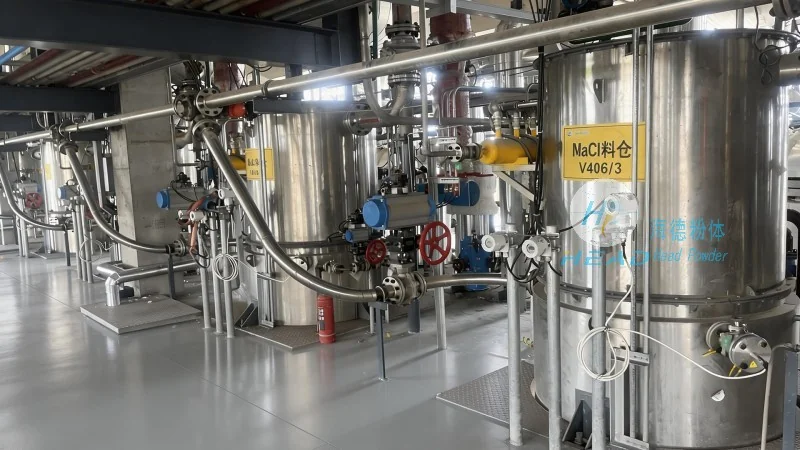
The intelligent tonne bag feeding station material conveying system is widely used in various industries, including chemical, food, pharmaceutical, and mining. It is particularly suitable for applications where large quantities of bulk materials need to be transferred efficiently and safely. For example, in the chemical industry, the system can handle raw materials like powders and granules for processing into finished products. In the food industry, it can be used for handling ingredients such as flour, sugar, or spices, ensuring hygienic and efficient transfer. The system's flexibility and adaptability make it suitable for a wide range of applications, from small-scale production lines to large industrial facilities.
Installation and Maintenance
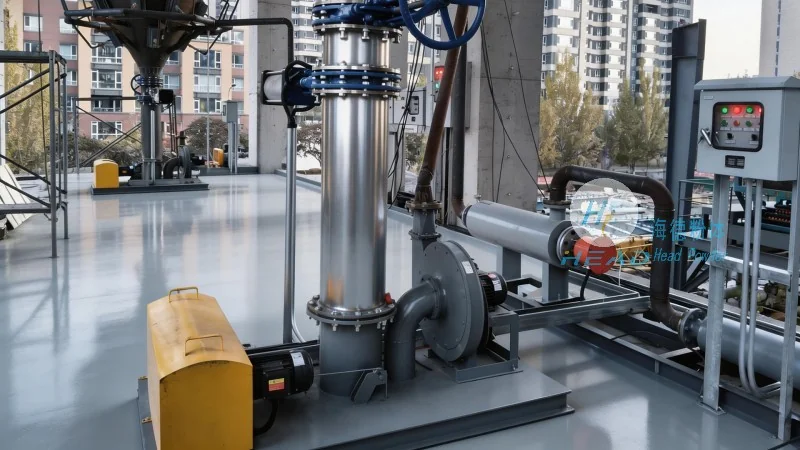
The installation of the intelligent tonne bag feeding station material conveying system requires careful planning and professional installation. The system is typically delivered as a complete unit, which can be installed and commissioned in a short period. The installation process includes positioning the feeding platform, connecting the conveyor system to the processing line, and configuring the control system. Regular maintenance is essential to ensure the system operates at optimal performance. This includes routine checks of the bag opening mechanism, conveyor belt condition, hopper cleanliness, and control system functionality. The system is designed for easy access to components, allowing for quick maintenance and minimizing downtime. Shandong HeadPowder Engineering Co., Ltd. provides comprehensive maintenance services and technical support to ensure the system operates reliably over its service life.
Conclusion
The intelligent tonne bag feeding station material conveying system is a sophisticated and efficient solution for bulk material handling in industrial applications. By combining advanced technology with robust engineering, the system ensures high performance, reliability, and minimal downtime. The system's automation capabilities, precise control, and adaptability make it an ideal choice for modern production lines, helping companies improve productivity, reduce costs, and enhance overall operational efficiency. With its comprehensive design and professional support from Shandong HeadPowder Engineering Co., Ltd., this system provides a reliable and effective solution for material handling needs.