

Operation Process and Working Principle of Dry Powder Powder Material Handling System Equipment
Shandong HeadPowder Engineering Co., Ltd., a leading manufacturer in the field of material handling technology, specializes in the design, production, and application of dry powder powder material handling systems. These systems are essential for the efficient and safe transportation of various dry powders, including chemicals, food additives, and industrial raw materials. The company's expertise lies in providing customized solutions that meet the specific needs of different industries, ensuring optimal performance and reliability.
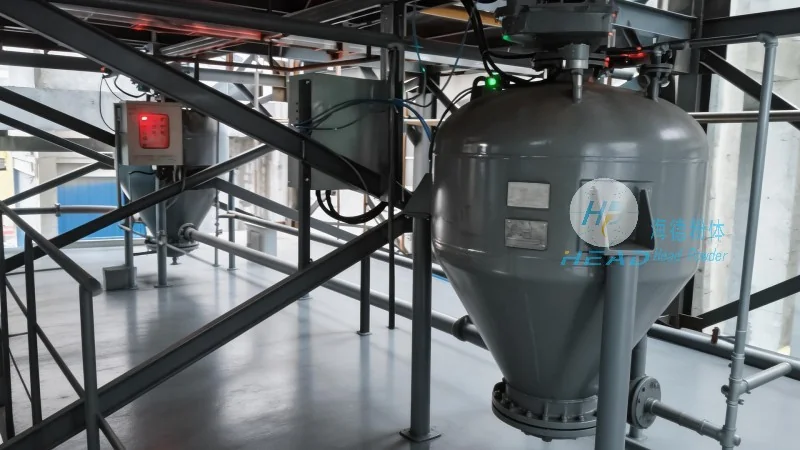
Components and Structure of the Material Handling System
The dry powder material handling system typically consists of several key components, each playing a crucial role in the overall operation. The main parts include a hopper for material storage, a feeder to control the flow rate, a conveyor system (such as a screw conveyor or pneumatic conveyor) for transporting the powder, and a control unit that regulates the entire process. The hopper is designed to hold a large volume of dry powder, ensuring a steady supply to the feeder. The feeder, often a rotary valve or a screw feeder, precisely controls the amount of material released, preventing overloading or underflow. The conveyor system then transports the powder to the destination, whether it's a storage silo, a processing unit, or a packaging line. The control unit integrates sensors and actuators to monitor parameters like pressure, flow rate, and temperature, maintaining the system's stability and safety.
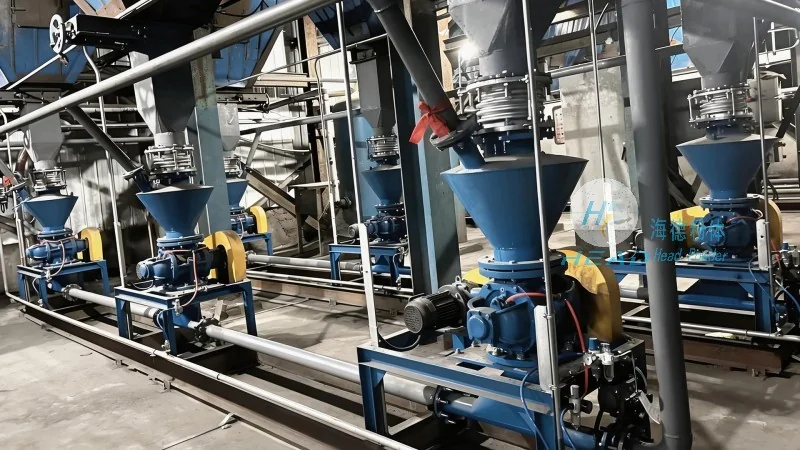
Operation Process of the Dry Powder Material Handling System
The operation of the dry powder material handling system follows a systematic process to ensure smooth and continuous material transport. First, the dry powder is loaded into the hopper from a bulk container or a silo. The hopper's design, with its sloped walls and discharge outlet, facilitates the material's flow into the feeder. The feeder then regulates the flow rate, which is critical for preventing blockages and maintaining consistent pressure in the system. Next, the conveyor system, powered by a motor, moves the powder through the pipeline or the screw path. In pneumatic conveying systems, compressed air is used to create a flow that carries the powder particles, while in mechanical conveying systems, the screw or belt mechanism physically transports the material. The control unit continuously monitors the system's performance, adjusting the feeder speed or air pressure as needed to maintain the desired flow rate. When the material reaches the destination, it is discharged into the target container or processing equipment. The entire process is automated, with minimal human intervention, enhancing efficiency and reducing the risk of errors or accidents.
Working Principle of the Dry Powder Material Handling System
The working principle of the dry powder material handling system is based on the physical properties of dry powders and the principles of fluid dynamics. The system operates by converting the solid powder into a transportable form, either by using air (pneumatic conveying) or mechanical force (mechanical conveying). In pneumatic conveying, the powder is suspended in a stream of air, creating a slurry that moves through the pipeline. The air pressure and velocity are carefully controlled to ensure the powder particles are carried without settling or clogging the system. In mechanical conveying, the screw or belt conveyor rotates, pushing the powder along the path. The design of the conveyor components, such as the pitch and diameter of the screw, affects the flow rate and pressure drop. The system also incorporates safety features, such as pressure relief valves and dust collection systems, to prevent dust explosions and ensure operator safety. The control unit uses feedback from sensors to adjust the system parameters in real-time, maintaining a stable and efficient operation. This integrated approach ensures that the dry powder is handled safely and efficiently, meeting the demands of various industrial applications.
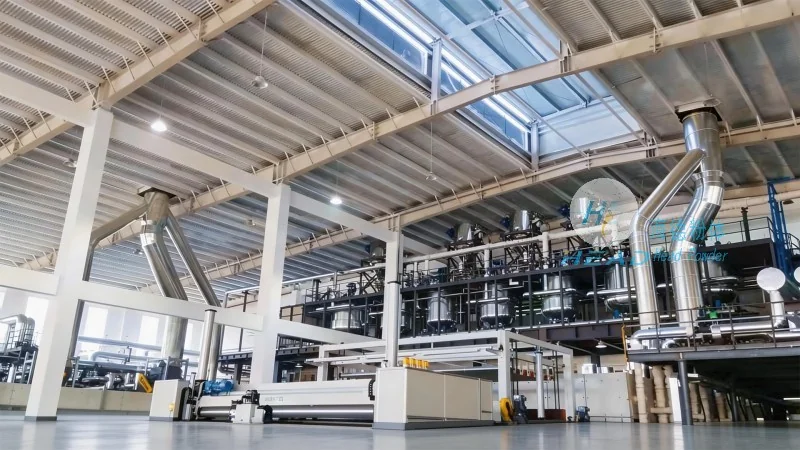
Applications and Benefits of the Dry Powder Material Handling System
The dry powder material handling system is widely used in various industries due to its versatility and efficiency. In the chemical industry, it is used to transport raw materials and finished products, ensuring a clean and controlled environment. In the food industry, the system is employed to handle food additives and ingredients, maintaining hygiene and preventing contamination. In the pharmaceutical industry, the system is crucial for transporting active pharmaceutical ingredients (APIs) and excipients, where precision and cleanliness are paramount. The benefits of using this system include improved productivity, reduced labor costs, and enhanced safety. The automated operation minimizes human error, while the control unit ensures consistent performance. Additionally, the system can be customized to handle different powder types, with adjustments made to the hopper size, feeder type, and conveyor design. This flexibility allows companies to adapt the system to their specific production needs, optimizing their material handling processes.