

Operation Process and Working Principle of Dust-Free Closed Powder Conveying System Equipment
Shandong HeadPowder Engineering Co., Ltd., commonly known as headpowder, specializes in the design, manufacturing, and supply of advanced dust-free closed powder conveying systems. These systems are engineered to handle various powder materials with precision and efficiency, ensuring minimal contamination and maximum operational safety. The company is headquartered in Shandong, China, and has established itself as a leading provider in the powder handling industry, delivering reliable solutions tailored to diverse industrial needs.
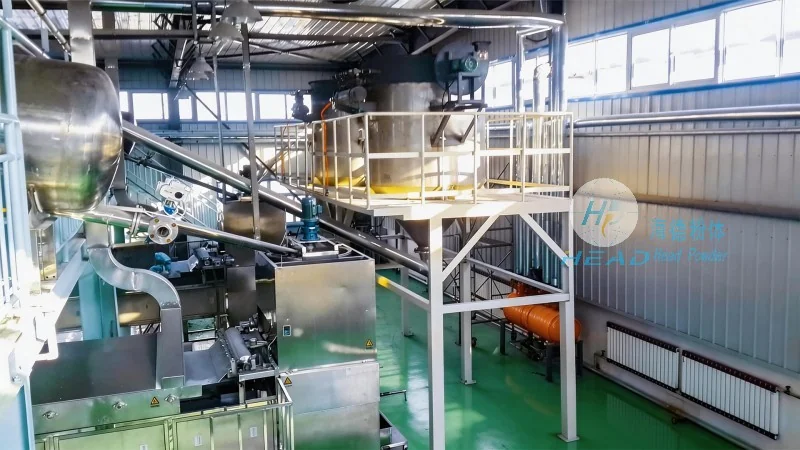
Overview of the System's Operation
The dust-free closed powder conveying system operates through a series of integrated components that work in tandem to transport powder materials from a source to a destination. The process begins with the material being fed into the system, typically via a hopper or feeder, which ensures a consistent flow. From there, the powder is conveyed through a sealed pipeline network, eliminating the risk of dust exposure and environmental contamination. The system utilizes positive pressure or vacuum technology to move the material, depending on the specific application requirements. This design allows for smooth, continuous operation while maintaining the integrity of the powder and the safety of the surrounding environment.
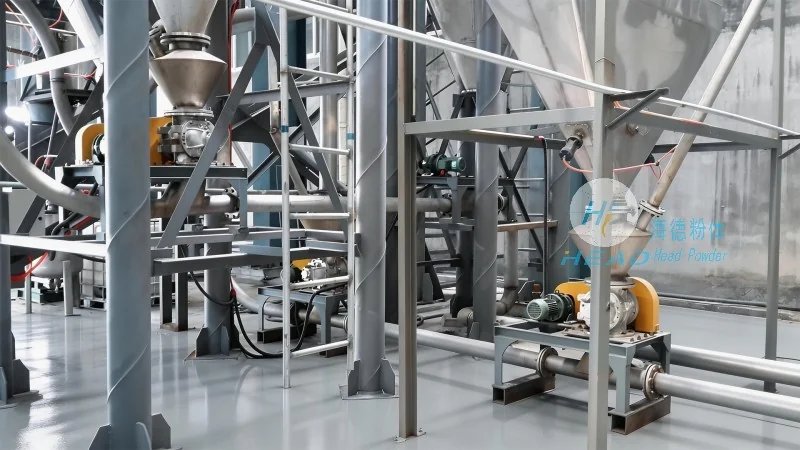
Step-by-Step Operation Process
The operation of the dust-free closed powder conveying system follows a systematic sequence of steps to ensure optimal performance. First, the powder is loaded into the feeding hopper, which is equipped with a level indicator to monitor the material volume. Next, the feeder mechanism, such as a rotary valve or screw feeder, regulates the flow rate, controlling the amount of powder entering the conveying line. The material then enters the conveying pipeline, where it is propelled by the system's air or gas flow. The sealed pipeline prevents dust from escaping, maintaining a clean and safe working environment. At the discharge end, the powder is released into a receiving vessel or processing unit, completing the transport cycle. The system is designed to operate continuously, with minimal downtime, and can be easily integrated into existing production lines.
Working Principle of the System Components
The working principle of the dust-free closed powder conveying system is based on the principles of fluidization and pneumatic transport. The system uses compressed air or a vacuum to create a flow of air within the sealed pipeline, which lifts and transports the powder particles. The key components, including the feeder, pipeline, and control valves, work together to maintain a stable flow rate and pressure. The feeder ensures a consistent feed rate, preventing blockages or uneven flow. The pipeline is constructed from materials resistant to the specific powder being handled, such as stainless steel or special polymers, to prevent material degradation or contamination. Control systems, often integrated with sensors and automation, monitor parameters like pressure, flow rate, and material level, allowing for real-time adjustments to maintain optimal performance. This integrated approach ensures that the system operates efficiently and reliably, meeting the demands of modern industrial applications.
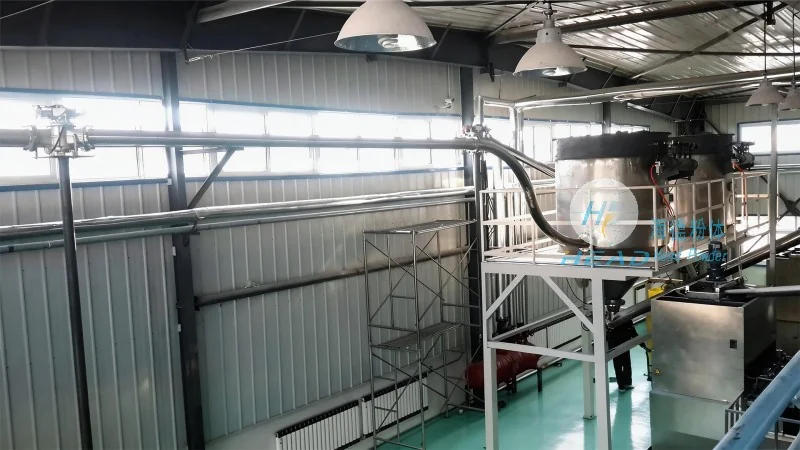
Advantages and Applications
The dust-free closed powder conveying system offers numerous advantages over traditional open conveying methods. By maintaining a sealed environment, it significantly reduces dust emissions, improving workplace safety and compliance with environmental regulations. The system also minimizes material loss and contamination, ensuring the quality of the powder is preserved throughout the transport process. Additionally, the closed design reduces the risk of cross-contamination between different materials, which is critical in industries such as pharmaceuticals, food processing, and chemical manufacturing. The system is versatile and can be adapted to handle a wide range of powder types, including fine powders, granules, and bulk materials. Its compact design and modular components allow for easy installation and integration into existing facilities, making it a cost-effective solution for various industrial applications.