

Operation Process and Working Principle of Centralized Powder Feeding and Conveying System Equipment
The centralized powder feeding and conveying system represents a sophisticated solution for managing bulk powder handling in industrial settings. Developed by Shandong HeadPowder Engineering Co., Ltd., this system is engineered to enhance operational efficiency, ensure material integrity, and maintain safety standards. By integrating advanced control technologies and robust mechanical components, the system addresses the challenges associated with traditional manual or semi-automated powder handling methods. This article will delve into the operational process and working principles of the centralized powder feeding and conveying system, providing a comprehensive understanding of its functionality and benefits.
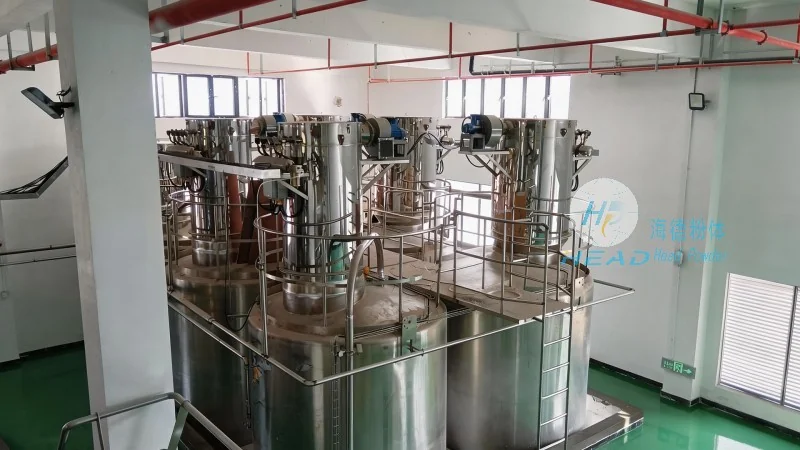
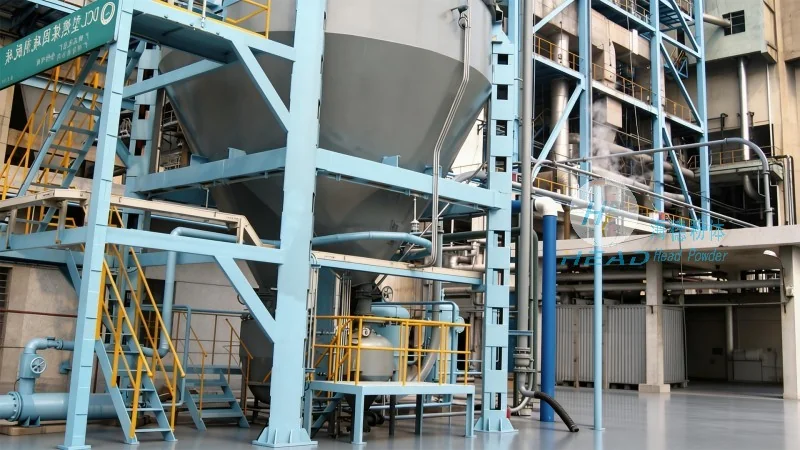
Key Components and Their Functions
The effectiveness of the centralized powder feeding and conveying system relies on the integration of several critical components. Each part plays a specific role in the overall operation, contributing to the system's reliability and performance. The primary components include the powder feeder, which is responsible for precise measurement and dispensing of the powder; the conveyor, which transports the material to the processing unit; the control system, which manages the entire operation and monitors key parameters; and safety mechanisms, such as pressure relief valves and emergency stop buttons, which protect against potential hazards. The powder feeder may utilize gravimetric or volumetric measurement techniques to ensure accurate dosing, while the conveyor can be pneumatic or mechanical, depending on the application requirements. The control system typically employs PLC (Programmable Logic Controller) technology, allowing for real-time monitoring and adjustment of flow rates, pressure, and temperature. Safety mechanisms are designed to comply with industrial safety standards, ensuring the protection of personnel and equipment.
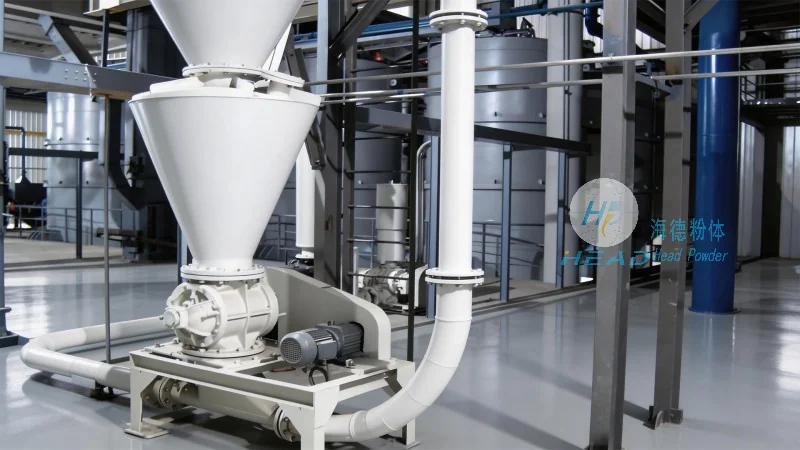
Step-by-Step Operation Process
The operation of the centralized powder feeding and conveying system follows a structured sequence, ensuring consistent and reliable performance. The process begins with system activation, where the control panel displays the current status and prompts the operator to input the required parameters. The operator then enters the target powder quantity and the destination location, such as a mixing tank or processing line. The control system then initiates the powder feeder, which measures and releases the powder into the conveyor. Simultaneously, the conveyor system starts, transporting the material through the pipeline to the designated point. Throughout the operation, the control system continuously monitors critical parameters, including flow rate, pressure differential, and material level. If any parameter deviates from the set points, the system automatically adjusts the feeder speed or conveyor speed to maintain optimal performance. The process continues until the target quantity is reached, at which point the control system signals the completion of the operation and stops the feeder and conveyor. The system then returns to a standby mode, ready for the next cycle. This systematic approach ensures minimal waste, consistent product quality, and efficient utilization of resources.
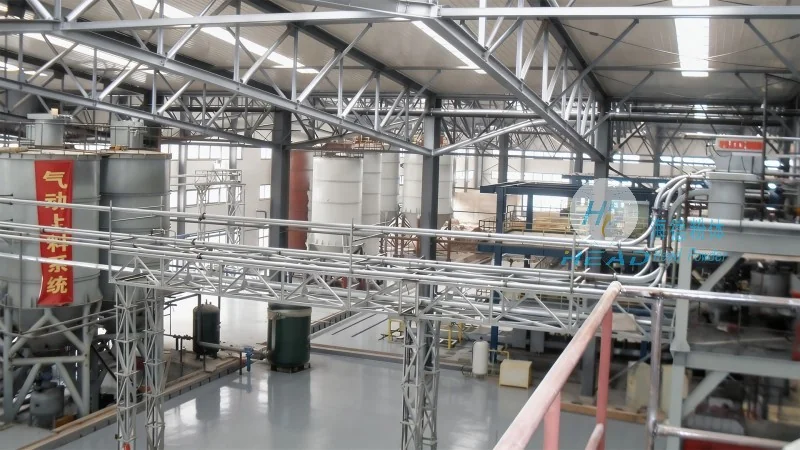
Working Principle: Pneumatic and Mechanical Conveying
The working principle of the centralized powder feeding and conveying system is based on the fundamental principles of fluid dynamics and mechanical motion. For pneumatic conveying systems, compressed air is used to create a flow of powder through a pipeline. The powder feeder creates a vacuum or pressure differential to draw the powder into the system. The air-powder mixture is then transported through the pipeline to the destination. The system's design ensures that the powder particles are suspended in the air stream, preventing clogging and ensuring smooth flow. The pressure drop across the system is carefully managed to maintain consistent flow rates. Mechanical conveying systems, on the other hand, use rotating components like screws or belts to move the powder. The screw conveyor, for example, uses a rotating screw to push the powder forward, while the belt conveyor uses a moving belt to transport the material. These mechanical systems are often preferred for handling abrasive or sticky powders, as they minimize product degradation and provide better control over flow rates. The choice between pneumatic and mechanical conveying depends on factors such as powder characteristics, distance to be transported, and system cost.