

Operation Process and Working Principle of Fine Powder Conveying Equipment
HeadPowder, a leading manufacturer based in Shandong, China, specializes in the design and production of advanced fine powder conveying systems. These machines are engineered to handle small quantities of powders efficiently, ensuring precise control and minimal material loss during transportation. The following sections will delve into the operational process and underlying principles of such equipment, highlighting key components and their functions.
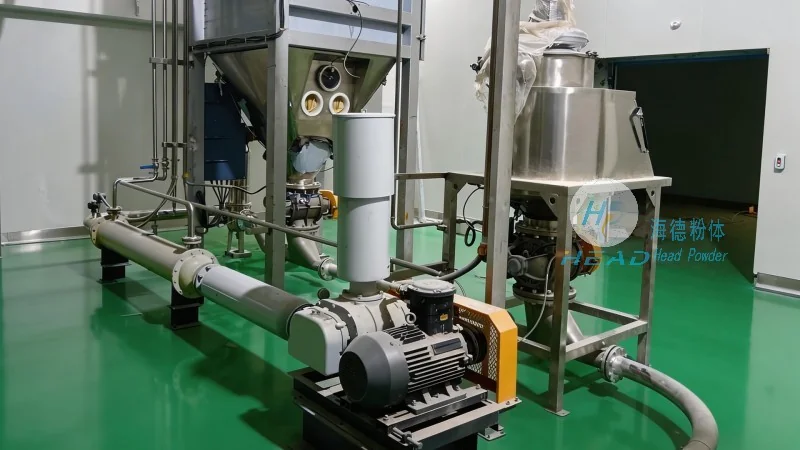
Key Components of Fine Powder Conveying Systems
At the core of a fine powder conveying machine are several critical components that work in tandem to achieve optimal performance. The primary elements include the hopper, which serves as the storage and feeding unit, the conveying mechanism (such as a screw or pneumatic system), and the control panel for regulating speed and flow. The hopper is typically designed with a sloped bottom to facilitate smooth material discharge, while the conveying mechanism ensures consistent movement of the powder from the source to the destination. The control panel allows operators to adjust parameters like speed and pressure, enabling precise control over the conveying process.
The Operational Process of Fine Powder Conveying
The operation of a fine powder conveying machine begins with the loading of the powder into the hopper. Once the material is in place, the conveying mechanism is activated. For screw-type systems, a rotating screw pushes the powder forward through a tube or pipe, while pneumatic systems use compressed air to create a flow of powder in a sealed container. The speed of the conveying mechanism is adjusted based on the type and density of the powder, ensuring that the material moves at an optimal rate without causing blockages or excessive wear. The control panel monitors the system's performance, providing real-time feedback on flow rates and pressure, allowing for immediate adjustments if needed.
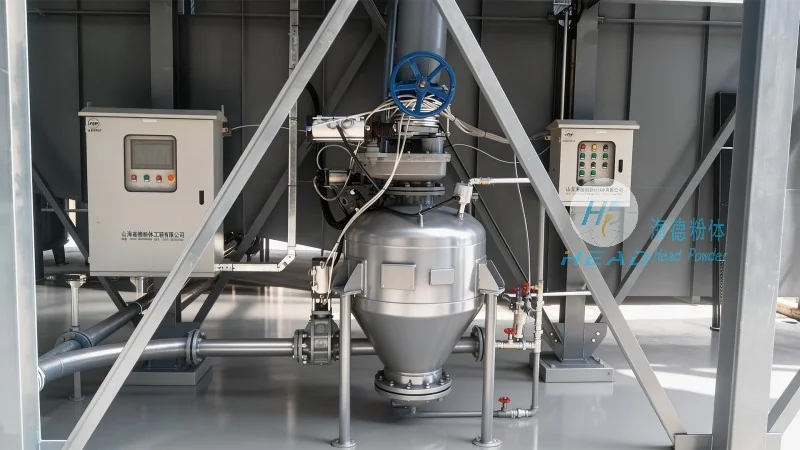
Working Principle of Fine Powder Conveying
The working principle of fine powder conveying equipment is based on the physics of material movement under controlled conditions. For mechanical systems, the principle involves the use of a rotating screw or auger to apply a pushing force to the powder, overcoming friction and gravity to move the material. The screw's pitch and diameter are carefully selected to match the specific characteristics of the powder, such as particle size and moisture content, to ensure efficient transport. In pneumatic systems, the principle relies on the creation of a pressure differential, where compressed air is used to generate a flow of powder through a pipeline. The air velocity is maintained at a level that prevents particle segregation or agglomeration, while ensuring the powder moves smoothly to the target location.
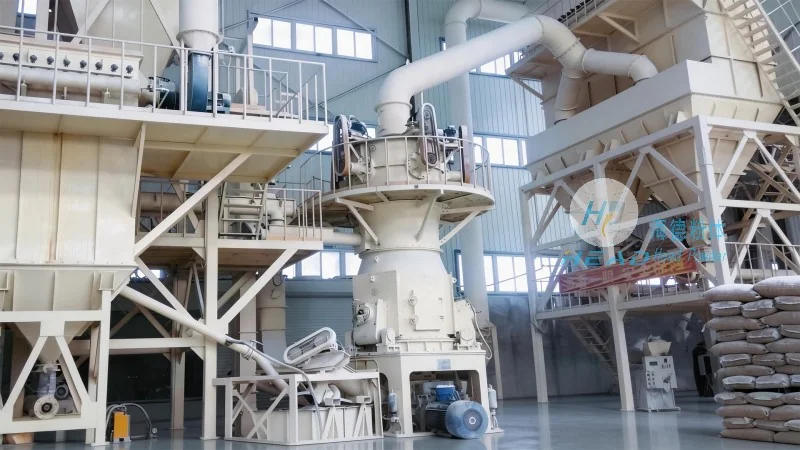
Advantages of Fine Powder Conveying Equipment
Using fine powder conveying machines offers several advantages over traditional methods. These systems provide precise control over the flow rate, reducing material waste and improving process efficiency. The enclosed design minimizes dust emissions, enhancing workplace safety and compliance with environmental regulations. Additionally, the equipment is designed for low maintenance, with components that are easy to replace and inspect, reducing downtime and operational costs. The compact design of these machines makes them suitable for use in limited spaces, making them ideal for industrial settings where space is at a premium.

Applications and Industries
Fine powder conveying equipment is widely used in various industries, including pharmaceuticals, food processing, chemical manufacturing, and mining. In the pharmaceutical industry, these systems are used to transport active ingredients and excipients with high precision, ensuring consistent dosing and quality control. In food processing, they are employed to handle powders like sugar, flour, and spices, maintaining hygiene and preventing contamination. Chemical manufacturers use these machines to transport raw materials and intermediates, while mining operations utilize them to move powdered ores and minerals. The versatility of fine powder conveying systems makes them a valuable asset in any industry that relies on the efficient handling of small quantities of powders.
Conclusion
HeadPowder's fine powder conveying machines represent a reliable and efficient solution for the transportation of small quantities of powders. By understanding the operational process and working principles of these systems, users can optimize their performance and achieve better results in their respective applications. With a focus on precision, safety, and efficiency, these machines are designed to meet the demands of modern industrial processes, ensuring consistent and reliable operation.