

Operation Process and Working Principle of Pharmaceutical Powder Conveying Machines
Pharmaceutical powder conveying machines are critical equipment in the pharmaceutical manufacturing industry, designed to handle and transport powders with precision and efficiency. These machines play a vital role in ensuring the quality and safety of pharmaceutical products by providing a controlled environment for powder handling. The operation process and working principle of such machines are essential for understanding their functionality and optimizing their performance in pharmaceutical production lines. Shandong HeadPowder Engineering Co., Ltd., a leading manufacturer in this field, specializes in developing advanced powder conveying solutions tailored to the unique needs of the pharmaceutical industry.

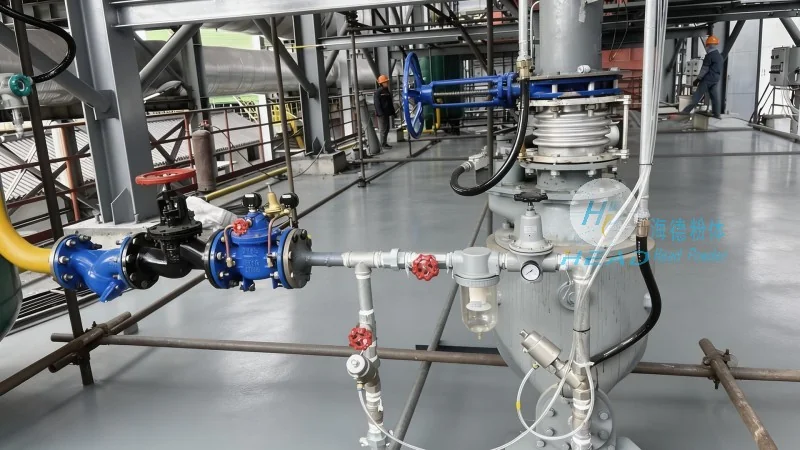
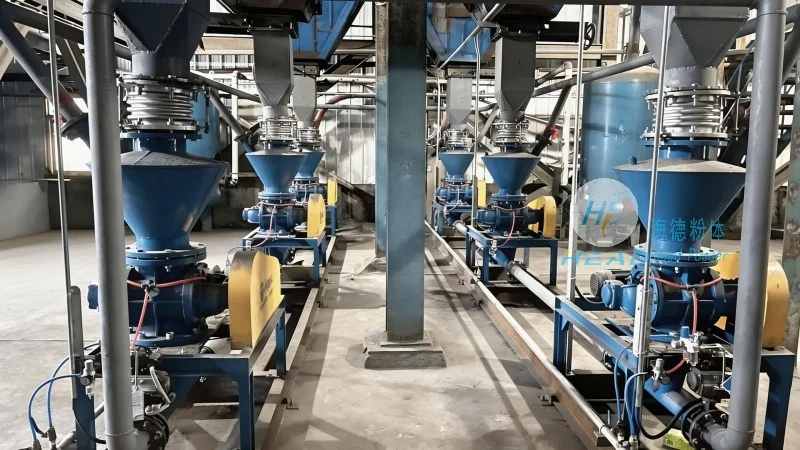
Key Components and Their Roles
The pharmaceutical powder conveying machine typically consists of several key components, each with a specific function to ensure smooth operation. These components include the hopper, which serves as the storage container for the powder; the conveyor system, which moves the powder from the hopper to the processing area; the control panel, which allows operators to monitor and adjust the machine's settings; and the dust collection system, which ensures a clean and safe working environment by capturing any airborne particles. Each component is designed to meet the stringent requirements of the pharmaceutical industry, such as maintaining sterility and preventing cross-contamination. The hopper is often made of stainless steel or other corrosion-resistant materials to prevent contamination and ensure durability. The conveyor system may use various mechanisms, including screw, pneumatic, or belt systems, depending on the specific application and powder characteristics. The control panel is equipped with digital displays and buttons, allowing operators to adjust parameters like speed, direction, and pressure with ease. The dust collection system typically includes filters and a vacuum pump to remove particles and maintain a clean environment.
Operation Process of the Pharmaceutical Powder Conveying Machine
The operation process of a pharmaceutical powder conveying machine is a systematic sequence of steps designed to ensure the safe and efficient transfer of powders in pharmaceutical manufacturing. The process begins with the loading of the powder into the hopper, which is typically equipped with a lid and a discharge valve to regulate the flow. The hopper is designed to hold a specific volume of powder, and the lid ensures that the powder remains contained and prevents contamination from external sources. Once the hopper is filled, the operator activates the conveyor system, which may utilize various mechanisms such as screw conveyors, pneumatic systems, or belt conveyors to transport the powder. The control panel, a critical component, allows operators to adjust the speed and direction of the conveyor, ensuring the powder is moved at the optimal rate for the specific application. Simultaneously, the dust collection system is engaged to capture any airborne particles, maintaining a clean and sterile environment. As the powder reaches the processing area, the conveyor system stops, and the discharge valve is opened to release the powder into the next stage of production. This cycle is repeated as needed to transport the required quantity of powder, with each step carefully monitored to prevent errors or product loss. The entire process is designed to minimize the risk of contamination and ensure the integrity of the pharmaceutical powders being handled.