

Operation Process and Working Principle of Vacuum-Pressure Mixed Powder Conveying Machine
HeadPowder, a leading manufacturer based in Shandong, China, specializes in the design and production of advanced powder conveying systems. The vacuum-pressure mixed powder conveying machine is a sophisticated piece of equipment engineered to efficiently transport bulk powders over long distances with minimal pressure loss and high reliability. This article delves into the operational process and underlying working principles of this technology.
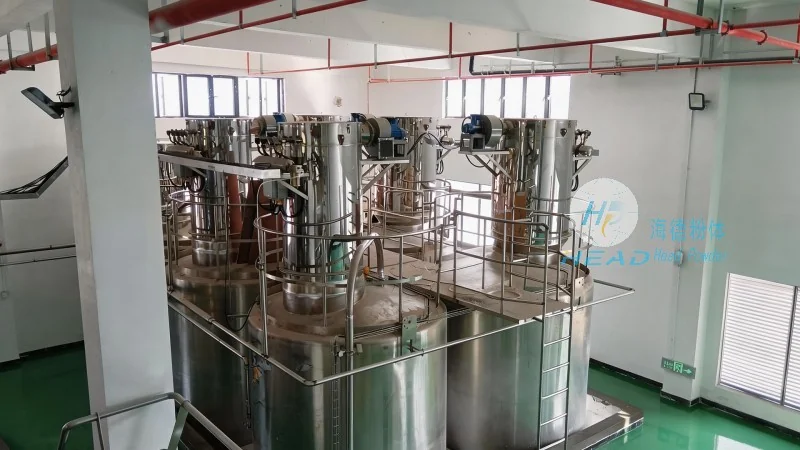
Overview of the Vacuum-Pressure Mixed Powder Conveying Machine
The vacuum-pressure mixed powder conveying machine integrates vacuum and pressure conveying technologies to achieve a seamless, continuous transfer of powders. It is particularly suitable for applications requiring high-precision control over material flow, such as in pharmaceutical, food, and chemical industries. The system combines the advantages of both vacuum and pressure conveying, offering flexibility and adaptability to diverse material characteristics and process requirements.
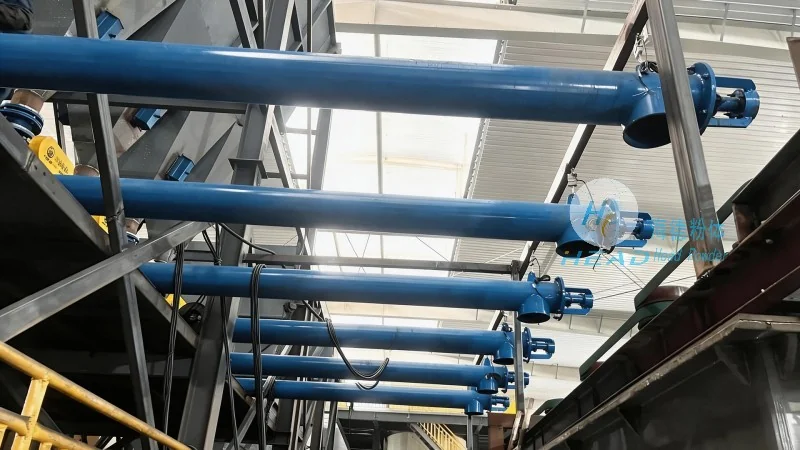
Key Components and Their Functions
The vacuum-pressure mixed powder conveying machine comprises several critical components, each playing a vital role in the overall operation. These include the inlet hopper, vacuum pump, pressure blower, conveying pipe, and discharge valve. The inlet hopper is designed to store and feed the bulk powder into the system, ensuring a consistent material supply. The vacuum pump creates a negative pressure within the conveying pipe, drawing the powder particles from the hopper into the pipe. The pressure blower then introduces positive pressure to push the mixture forward, maintaining the flow and preventing clogging. The conveying pipe, typically made of stainless steel or other corrosion-resistant materials, ensures durability and hygiene, especially in food and pharmaceutical applications. The discharge valve controls the release of the conveyed powder at the destination point, allowing for precise dosing and control.
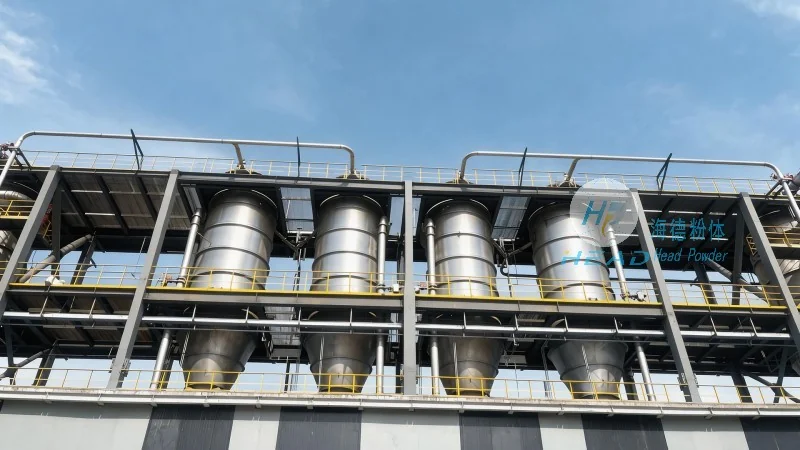
Operation Process: Step-by-Step
The operation of the vacuum-pressure mixed powder conveying machine follows a systematic sequence to ensure efficient and reliable powder transfer. The process begins with the loading of the bulk powder into the inlet hopper. The vacuum pump is activated, creating a vacuum in the conveying pipe, which draws the powder particles from the hopper into the pipe. Simultaneously, the pressure blower is engaged, introducing compressed air to maintain the flow and push the powder mixture toward the discharge point. The mixture of vacuum and pressure creates a mixed flow, where the powder is suspended in the air stream, preventing agglomeration and ensuring smooth transport. As the mixture travels through the conveying pipe, it reaches the discharge valve at the end of the system. The valve is then opened to release the powder into the receiving container or processing unit. The cycle repeats as the vacuum and pressure systems continue to operate, maintaining a continuous flow of material.
Working Principle: The Science Behind the Operation
The working principle of the vacuum-pressure mixed powder conveying machine is based on the fundamental principles of fluid dynamics and particle transport. The system operates by creating a pressure differential between the inlet and outlet of the conveying pipe. The vacuum pump reduces the pressure inside the pipe to below atmospheric pressure, while the pressure blower increases the pressure at the discharge end. This pressure gradient drives the powder particles along the pipe. The mixed flow of vacuum and pressure ensures that the powder is kept in suspension, minimizing friction and wear on the pipe walls. The air-powder mixture travels at a controlled velocity, which is optimized to prevent particle separation and maintain the integrity of the material. The system also incorporates features such as air filtration and moisture control to ensure the quality of the conveyed powder, making it suitable for sensitive applications.
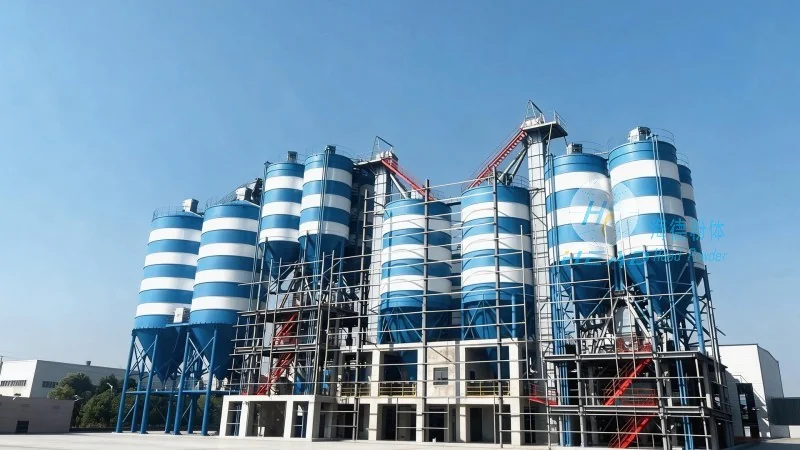
Advantages and Applications
The vacuum-pressure mixed powder conveying machine offers several advantages over traditional conveying methods. It provides high efficiency in terms of material transfer, with minimal pressure loss and low energy consumption. The system is also highly flexible, allowing for adjustments to the conveying rate and distance without significant modifications. Additionally, it is suitable for transporting a wide range of powders, including fine, cohesive, and abrasive materials. The machine is widely used in industries such as pharmaceuticals, food processing, chemicals, and ceramics, where precise control over powder flow and hygiene are critical. The advanced design of the equipment ensures compliance with industry standards and regulations, making it a reliable choice for manufacturers seeking efficient and safe powder handling solutions.